Demat Account Charges In India: A Quick Guide

Written by Sachin Gupta
Published on September 14, 2017 | 5 min read


Summary
Key Takeaways
- Demat Account charges depend on the broker, DP, account type, and services you use.
- Check the annual maintenance fee, including whether the first year is free.
- DP charges usually apply when securities are debited. These are particularly relevant when you sell shares.
- Brokerage and market-related charges should not be confused with DP or AMC charges.
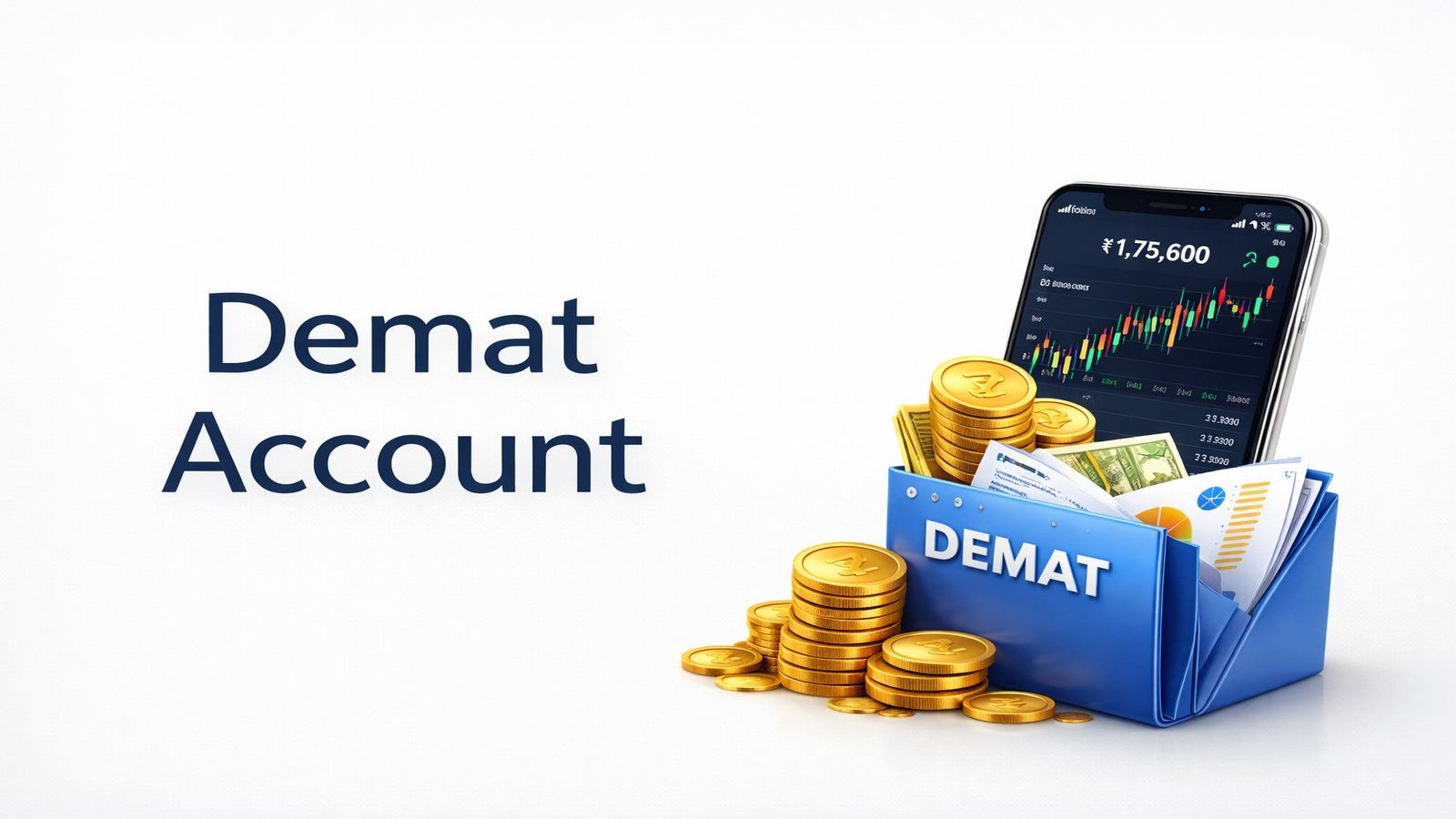
A Demat Account is essential if you want to invest in shares, bonds, ETFs, and other securities in India. It holds your investments in electronic form, making it easier to buy, sell, and manage them.
But opening a Demat Account is not the only thing to consider. Different charges may apply when you maintain the account, sell securities, transfer holdings, or use additional services. Understanding these charges can help you choose a broker and avoid unexpected costs.
What Are Demat Account Charges?
Demat Account charges are fees that a Depository Participant, like a stockbroker or a financial institution, can charge for managing and running your Demat Account. These fees vary depending on the Depository Participant and the type of account you have. Some brokers offer free or very low-cost account opening, while others may charge for certain features. Typical Demat Account charges include:
- Account opening charges
- Annual Maintenance Charges (AMC)
- Depository Participant (DP) charges
- Pledge and unpledge charges
- Dematerialisation and rematerialisation charges
- Off-market transfer charges
- Charges for services In addition, investors might also face other costs related to trading. These include brokerage fees, Securities Transaction Tax (STT), exchange transaction charges, stamp duty and GST. The exact amount depends on the type of transactions you make.
Types of Demat Account Charges in India
Account Opening Charges
Some Depository Participants may charge a fee to open a Demat Account. However, many online brokers do not charge anything for account opening. It is important to check the terms and conditions. Some brokers also offer free account opening as part of a time-limited promotional offer.
Annual Maintenance Charges (AMC)
Annual Maintenance Charge is the fee charged for keeping your Demat Account active every year, which varies from one Depository Participant to another. The amount also depends on the type of account you have.
DP Charges
DP Charges are applied when you sell securities from your Demat Account. These charges are usually applied when securities are debited from your account. The fee is based on the security or ISIN, not per share. The rate may differ depending on your Depository Participant.
Pledge and Unpledge Charges
Fees may apply when securities are pledged or unpledged as collateral. The amount depends on the broker or DP.
Dematerialisation and Rematerialisation Charges
Dematerialisation is the process of converting physical share certificates into electronic form. Rematerialisation is the process where electronic shares are converted back into physical certificates. Charges may apply to both processes.. The amount varies from one Depository Participant to another.
Off-Market Transfer Charges
Transferring securities between Demat Accounts outside a stock exchange may attract a processing fee. Check your DP’s tariff before initiating the transfer.
Other Demat Account Charges You Should Know
Demat account charges are not limited to maintenance and DP charges. Depending on the broker and services used, you may also see charges for:
- Copies of account statements or other documents
- Account modifications
- Call-and-trade services
- Instant withdrawals
- Pledge‑related services
- Buyback, takeover or delisting‑related transactions
- Auto square‑off
- Delayed payment or negative balance
- Certain payment methods
These charges are not necessarily applicable to every investor. Always refer to the broker's latest pricing schedule before using a specific service.

Understanding Demat Account charges can help you make investment decisions and keep track of your expenses more effectively. Even though some brokers might offer free account setup or low annual maintenance charges, other fees like DP charges, transaction costs, and service-related expenses can still be there. Understanding Demat Account charges can help you make investment decisions and keep track of your expenses more effectively.
FAQs
Is opening a Demat Account free in India?
Many brokers offer zero account-opening charges, but this is not universal. Check the broker's current pricing before opening an account.
What is AMC in a Demat Account?
AMC stands for Annual Maintenance Charge. It is a fee charged by the DP for maintaining your Demat Account. The amount varies between brokers and account types.
Are DP charges applicable when buying shares?
DP charges are generally associated with the debit of securities from your Demat Account, such as when you sell shares. They are not typically charged simply because you purchase shares.
Are Demat Account charges the same for every broker?
No. Brokers and other DPs can have different fee structures. This is why comparing the complete tariff is important.
What is a BSDA Demat Account?
BSDA stands for Basic Services Demat Account. It is intended to provide basic Demat Account services at lower maintenance costs for eligible investors, subject to applicable regulatory conditions.
How can I find the exact Demat Account charges?
The most reliable way is to check your broker's or DP's latest tariff sheet or pricing page. Charges can change, so avoid relying only on older articles or third-party comparisons.
About Author
Sachin Gupta
Senior Sub-Editor

is a seasoned financial writer with over eight years of experience across global markets, including Australia, the UK, and New Zealand. He specialises in simplifying complex financial concepts, making them accessible and engaging for a wide range of readers. When he’s not writing or traveling, he can often be found exploring the mountains, drawing inspiration from the calm and clarity of the outdoors.
Read more from Sachin














Upstox is a leading Indian financial services company that offers online trading and investment services in stocks, commodities, currencies, mutual funds, and more. Founded in 2009 and headquartered in Mumbai, Upstox is backed by prominent investors including Ratan Tata, Tiger Global, and Kalaari Capital. It operates under RKSV Securities and is registered with SEBI, NSE, BSE, and other regulatory bodies, ensuring secure and compliant trading experiences.
Related articles

Demat Account
Demat Account Opening Procedure: Check Steps for Beginners5 min read | Written by Sachin Gupta

Demat Account
Understanding Key Features and Benefits of a Demat Account5 min read | Written by Sachin Gupta


Demat Account
Difference Between Trading Account and Demat Account5 min read | Written by Pradnya Surana