Basics of Intraday Trading: A Guide for Investors

Written by Sachin Gupta
Published on November 30, 2017 | 5 min read

Key Takeaways
- Intraday trading means buying and selling within the same trading day.
- Short-term price movements are the main focus of intraday traders.
- Technical analysis can help with decision-making, but it cannot guarantee profits.
- Risk management and stop-losses are essential for protecting trading capital.
Intraday trading, also known as day trading, means buying and selling stocks within the trading day. Intraday trading is completely different from investing, where individuals hold shares for months or years to benefit from long-term price movements
For beginners, intraday trading can look exciting because trades are completed on the same day and there is no need to hold stocks overnight. However, it also comes with risks. Understanding the basics before putting your money into the market is very important.
What is Intraday Trading?
In simple terms, intraday trading means buying a stock and then selling it before the market closes on the same day. You can also sell a stock and buy it again, based on the type of trading facility provided by your broker.
The core concept remains simple: buy at a lower price and sell at a higher price, or benefit from falling prices via permitted short-selling techniques.
For example, you purchase 100 shares of a company at ₹100 per share. The share price increases to ₹105, and you sell the shares. Your gross gain will be ₹500, not including any brokerage, taxes, or other expenses.
Conversely, the opposite could also happen. The stock price falls to ₹95, and you incur a loss of ₹500, excluding any trading expenses.
How Does Intraday Trading Work?
Intraday traders usually look for stocks that have enough price movement during the trading session. They study factors such as price trends, trading volume, company news, and market sentiment.
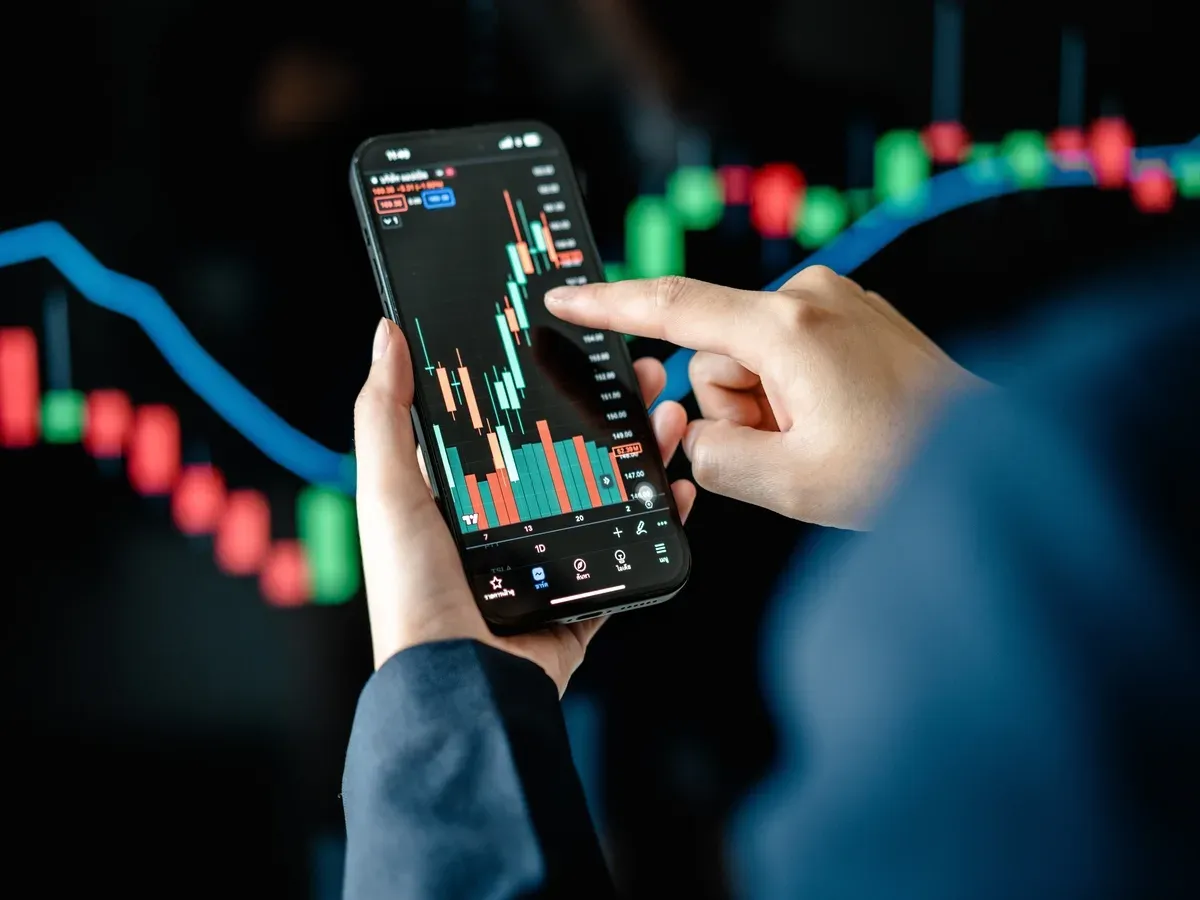
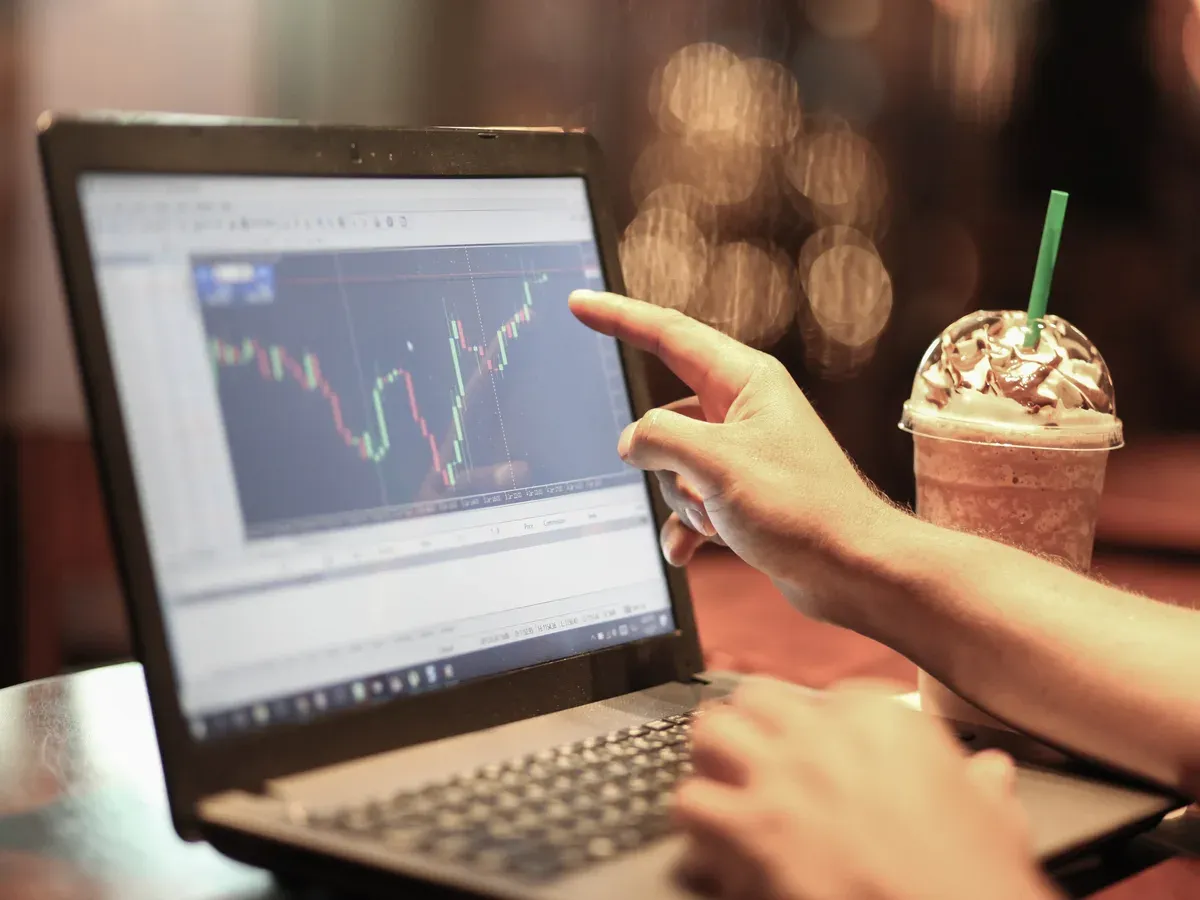
Many traders use technical analysis to make decisions. This involves studying price charts and indicators to identify possible entry and exit points.
Some commonly used tools include moving averages, support and resistance levels, candlestick patterns, and volume indicators.
However, no indicator can predict the market with certainty. Prices can move unexpectedly because of news, economic events, or changes in investor sentiment.
Intraday Trading vs Long-Term Investing
The main difference between intraday trading and long-term investing is the duration for which an investment is held.
In long-term investing, an investor usually considers the company’s operations and its future performance. Short-term price changes may not play an important role.
In the case of intraday trading, the main consideration is the change in price during the day. That means it is a much more dynamic activity that requires constant monitoring of the market. It can also be more stressful because decisions often have to be made quickly.
Importance of Risk Management
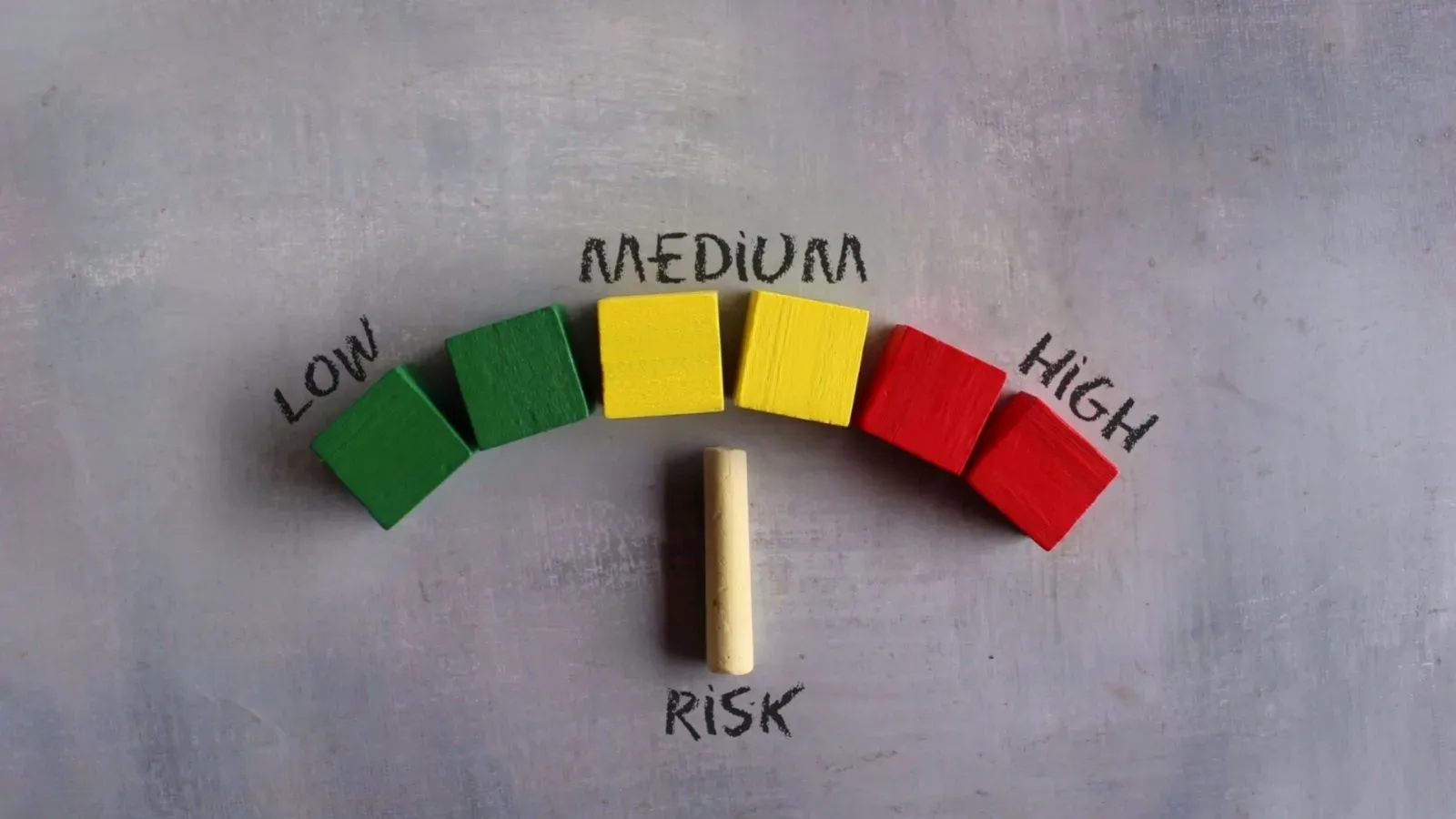
Risk management is arguably more important than finding the perfect stock. A common mistake among beginners is risking too much money on a single trade. A few losing trades can quickly reduce your trading capital if position sizes are too large.
It is also important to avoid making decisions based on emotions. Fear can make you exit a good trade too early, while greed can encourage you to hold a losing position for too long.
Common Mistakes Beginners Should Avoid
New traders often make similar mistakes. One is trading without a proper plan. Another is trying to recover losses by taking bigger and riskier trades. Overtrading is another common problem. Just because the market is open does not mean you need to make a trade.
Beginners should also avoid blindly following tips from social media, messaging groups, or unverified sources. A stock tip may sound convincing, but it does not guarantee a profitable trade.
Most importantly, never assume that intraday trading is a quick or guaranteed way to make money. Losses are a normal part of trading, and some traders may consistently lose money.

Intraday trading is not simply about buying a stock in the morning and selling it in the afternoon. It requires knowledge, discipline, patience, and proper risk management.
For beginners, the best approach is to focus on learning rather than quick profits. Understand how the market works, practise a strategy, keep your position sizes under control, and accept that losses are part of trading.
FAQs
Is intraday trading suitable for beginners?
Beginners can learn intraday trading, but they should understand the risks first. It is better to start with education and practice rather than immediately risking a large amount of money.
How much money is needed for intraday trading?
There is no single amount that guarantees success. The required capital depends on the stocks, trading strategy, broker, and risk level. Beginners should only use money they can afford to lose.
Can I make money every day through intraday trading?
No. There is no guarantee of making money every day. Even experienced traders have losing trades and losing days. Consistent results require skill, discipline, and effective risk management.
What is a stop-loss in intraday trading?
A stop-loss is an order or predefined exit level designed to limit a potential loss if the trade moves in the wrong direction. It is an important part of risk management.
Is technical analysis necessary for intraday trading?
Technical analysis is widely used by intraday traders, but it is not a guarantee of success. Traders may combine charts and indicators with market news, volume, and other information.
About Author
Sachin Gupta
Senior Sub-Editor

is a seasoned financial writer with over eight years of experience across global markets, including Australia, the UK, and New Zealand. He specialises in simplifying complex financial concepts, making them accessible and engaging for a wide range of readers. When he’s not writing or traveling, he can often be found exploring the mountains, drawing inspiration from the calm and clarity of the outdoors.
Read more from Sachin










Upstox is a leading Indian financial services company that offers online trading and investment services in stocks, commodities, currencies, mutual funds, and more. Founded in 2009 and headquartered in Mumbai, Upstox is backed by prominent investors including Ratan Tata, Tiger Global, and Kalaari Capital. It operates under RKSV Securities and is registered with SEBI, NSE, BSE, and other regulatory bodies, ensuring secure and compliant trading experiences.
Related articles

Intraday Trading
Price, Volume, Volatility and Liquidity in Intraday Trading12 min read | Written by Bidita Sen
Intraday Trading
The 52-Week High and Low Playbook: How Indian Investors Decode Breakouts9 min read | Written by Bidita Sen
Intraday Trading
Scalp Trading, How Does Scalping trading Work?6 min read | Written by Subhasish Mandal
Intraday Trading
False Breakouts in Trading: Here’s How to Spot and Avoid Them11 min read | Written by Bidita Sen
Intraday Trading
How to Combine Multiple Indicators in Intraday Trading: A Complete Guide13 min read | Written by Sachin Gupta

Intraday Trading
How are Gains from Intraday Trading Taxed for ITR3 min read | Written by Mariyam Sara