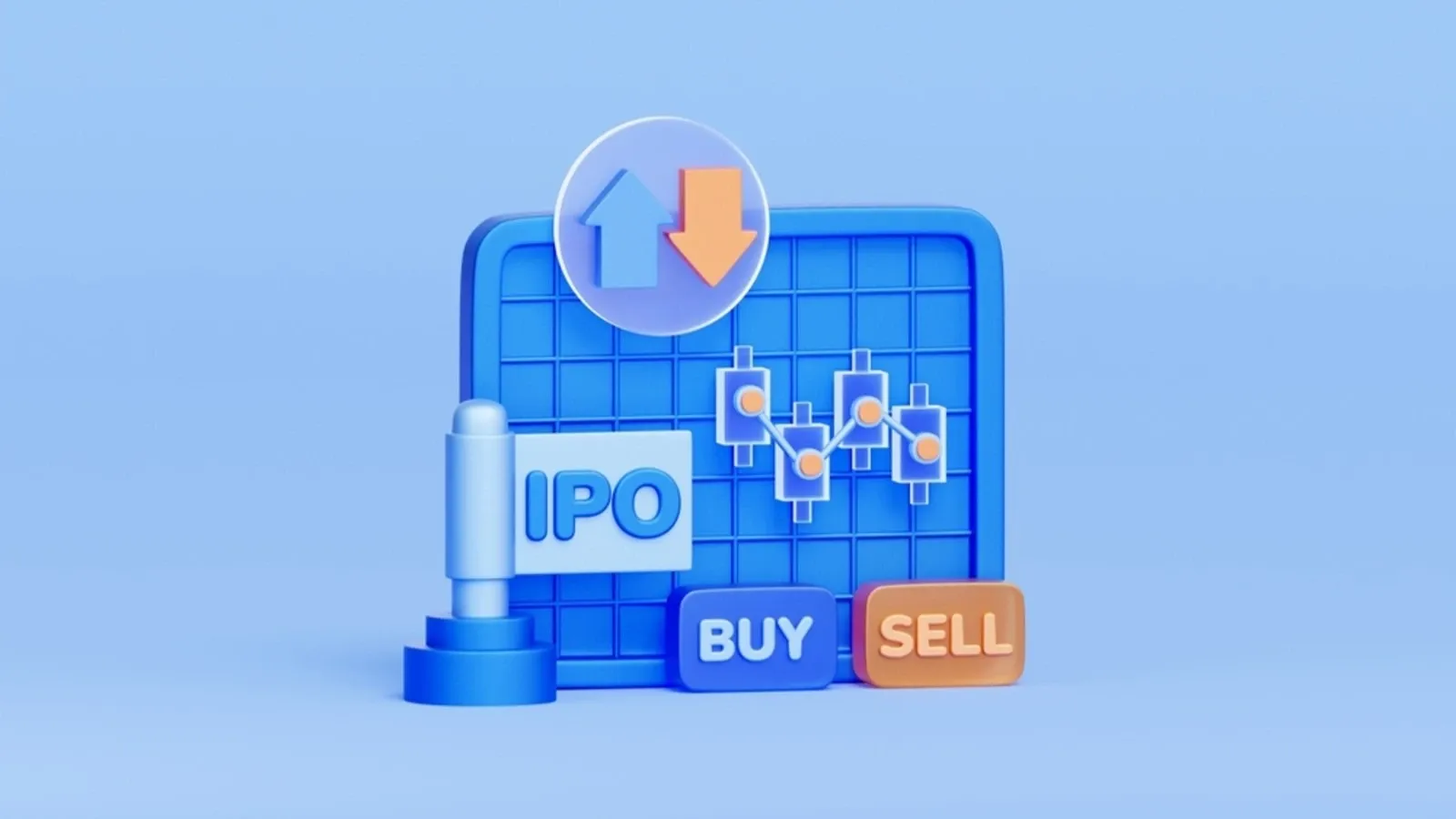
What is Flipping in IPO?

Written by Subhasish Mandal
Published on November 01, 2022 | 6 min read


Key Takeaways
-
Flipping in an IPO means buying shares at the IPO offer price and selling them after the first few days of listing.
-
IPO flipping is a strategy in which investors apply for an IPO expecting gains at listing.
-
An IPO pop is the sharp increase in a company’s stock price on its first day of trading compared to its original issue price.
An Initial Public Offering (IPO) is the process through which private companies offer their shares to public investors and list on a stock exchange. Some investors apply for IPOs with a long-term investment objective, while others aim to sell their allotted shares shortly after listing.
Flipping in finance means buying a security or asset and selling it after holding it for only a short period. Similarly, IPO flipping involves purchasing shares through an IPO and selling them on the day of listing.
However, IPO flipping also carries market and financial risks because the stock may list below its issue price.
This article explains what IPO flipping means, how it works, and its advantages and disadvantages.
What is IPO Flipping?
IPO flipping refers to selling IPO shares shortly after they are listed on a stock exchange. An investor applying for an IPO may not intend to hold the shares for several months or years. Instead, the objective is to potentially benefit from a rise in the share price during the initial trading period.
Flipping involves selling a hot IPO stock for a large profit during the first few days of listing. However, this might not be the case for every IPO because listing gains are not guaranteed.
For example, suppose an investor receives shares in an IPO at an issue price of ₹500 per share. If the stock lists at ₹650, the investor may sell the shares soon after listing to realise a potential gain of ₹150 per share, before considering applicable charges and taxes.
Also Read: What is Pre-Apply in IPO?
How Does Flipping Work in an IPO?
IPO flipping begins when an investor applies for shares during the IPO subscription period. If the shares are allotted, the investor receives them in their demat account before the stock is listed on the stock exchange.
On the listing day, the investor can monitor the market price and decide whether to sell the shares. If the market price is higher than the IPO issue price, selling may generate a profit. However, if the stock lists below the issue price, selling could result in a loss.
Also Read: What is IPO Listing?
Advantages of IPO Flipping
Here are the main advantages of IPO flipping:
- Quick Profits:
When the stock lists above the IPO issue price, investors can sell it immediately to earn quick profits.
- Liquidity:
Flipping lets you quickly liquidate the IPO investment, as the shares become tradable immediately after listing.
- Exposure to High-Growth Companies:
Investors get early access to companies with strong growth potential, offering a chance to profit from their success.
Disadvantages of IPO Flipping
Here are a few disadvantages of IPO flipping:
- Listing at a Discount:
If the IPO lists below the issue price, investors may lose money on the sale.
- Market Volatility:
After listing, an IPO stock may show sharp price fluctuations, making short-term profits uncertain.
- Overvaluation Risk:
IPOs are priced based on future growth prospects and optimistic forecasts. Therefore, the stock price may correct after listing if the issue price is considered overvalued.
Things to Consider When Flipping in an IPO
Here are some important things to consider when flipping in an IPO:
- Listing Price:
Compare the IPO issue price with the stock’s market price after listing to assess the potential selling opportunity.
- Market Sentiment:
Strong overall market sentiment can influence investor demand and affect the initial performance of newly listed shares.
- IPO Subscription:
High subscription levels may indicate strong demand, but they do not guarantee listing gains.
- Company Valuation:
Evaluate the company’s valuation and financial performance before assuming that strong IPO demand will continue after listing.
- Exit Strategy:
Decide your preferred selling price and risk tolerance beforehand to avoid making impulsive decisions during volatile trading sessions.
Is IPO Flipping Good?
Whether IPO flipping suits you depends on your objectives, risk tolerance, and expectations for a newly listed stock.
Investors seeking short-term opportunities may consider flipping when they expect strong listing demand or a favourable market environment. However, IPO flipping does not guarantee profits because the share price can move unpredictably after listing.

IPO flipping is a short-term strategy in which investors sell allotted IPO shares soon after the stock lists. The primary objective is generally to benefit from favourable price movements rather than participate in the company’s long-term growth.
IPO flipping can provide an opportunity to realise short-term gains when a stock performs strongly after listing. However, listing gains are not guaranteed, and newly listed stocks can be highly volatile.
Investors should consider the IPO’s valuation, company fundamentals, market conditions, subscription demand, transaction costs, and taxes before deciding whether to flip their IPO shares.
FAQs
What does flipping mean in an IPO?
Flipping in an IPO means buying shares at the offering price and selling them on the listing day for quick gains.
Can I sell my IPO stock immediately after listing?
Yes, retail investors can sell IPO stock immediately after listing because there is generally no specific lock-in period for them.
Is IPO flipping risky?
Yes, IPO flipping can be risky because the listing price can be lower than the issue price. This is known as an IPO listing at a discount.
Is there a lock-in period in an IPO?
Yes, but it applies only to anchor investors and certain institutional investors, not to retail investors.
What is an IPO pop?
The term “IPO pop” means a sharp increase in a company’s share price on the day it is listed on the stock exchange.
Can I do intraday on IPO listing day?
Yes, you can trade an IPO stock on listing day, but brokers’ rules and available intraday leverage vary.
About Author
Subhasish Mandal
Sub-Editor


A finance professional with strong expertise in stock market and personal finance writing, he excels at breaking down complex financial concepts into simple, actionable insights. Holding a Master’s degree in Commerce, he combines academic depth with practical knowledge of technical analysis and derivatives.
Read more from Subhasish













Upstox is a leading Indian financial services company that offers online trading and investment services in stocks, commodities, currencies, mutual funds, and more. Founded in 2009 and headquartered in Mumbai, Upstox is backed by prominent investors including Ratan Tata, Tiger Global, and Kalaari Capital. It operates under RKSV Securities and is registered with SEBI, NSE, BSE, and other regulatory bodies, ensuring secure and compliant trading experiences.
Related articles





IPO
The Ultimate Guide to Initial Public Offerings (IPO): Everything You Need to Know Before Investing11 min read | Written by Mariyam Sara