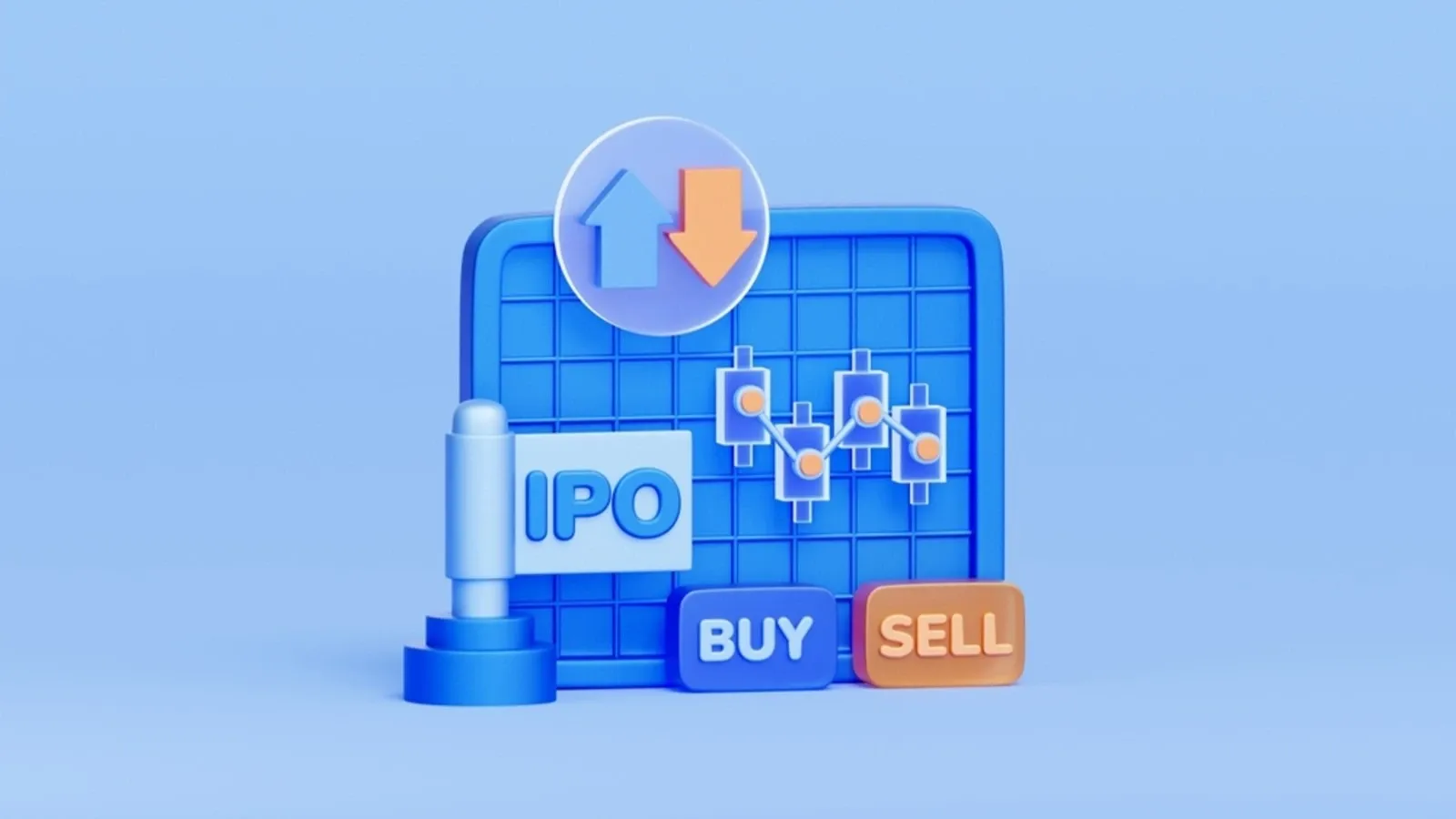
What is IPO Listing; Meaning, Process, Types

Written by Subhasish Mandal
Published on October 11, 2022 | 5 min read


Key Takeaways:
-
An IPO listing is the process of listing a company’s shares on stock exchanges such as the NSE and BSE, making them available to the public for trading.
-
The IPO listing day is typically the third business day after the subscription period closes, subject to the applicable IPO timeline.
-
On the listing day, if the share price opens above the issue price, the difference is called the listing gain.
-
The IPO listing price is determined on the listing day, through a specialised pre-open trading session on the stock exchange.
An initial public offering (IPO) is a process through which private companies raise capital from the public and list their shares on a stock exchange. Every IPO process follows a date cycle, typically around seven business days, although the duration may vary.
IPO listing date comes after the subscription is closed, allotment is completed, and shares are credited to the demat accounts of successful applicants.
IPO listing day is a special day for a company because it is the first time when the company's shares are listed on the stock exchanges. This allows investors to buy and sell the company’s shares on the exchanges where they are listed.
This article explains the IPO listing process, what happens on the listing date, types of listing, what determines the IPO price, and more.
What is an IPO Listing?
An IPO is the process by which a private company offers its shares to the public and gets them listed for trading on stock exchanges. In India, companies generally list their shares on the National Stock Exchange (NSE) and the Bombay Stock Exchange (BSE), or both.
Before listing, a company launches an IPO to raise capital through a fresh issue of shares or an offer for sale. After completing the IPO process and receiving the necessary approvals, the company lists its shares for trading.
The IPO listing price may differ from the issue price depending on investor demand, market sentiment, and expectations about the company’s future performance.
Also Read: What are IPO listing gains?
IPO Listing Process
The IPO listing process involves several steps, from regulatory approval to the commencement of trading on the exchanges.
- Filing a DRHP
- Receiving regulatory approval
- Announcing IPO dates, price band, lot size, and other details.
- IPO subscription
- IPO Allotment
- Credit of shares
- Listing of shares
What happens on a Listing Day?
On IPO listing day, the allotted shares are credited to the demat accounts of successful applicants.
Usually, at around 10 AM, the company’s management rings the listing bell, and trading in the shares begins on the stock exchanges. The opening price of the shares may be higher or lower than the issue price.
The following events occur on the listing day:
- Trading begins:
The stock exchange conducts a pre-open session to determine the opening price before regular trading starts.
- Listing price is discovered:
The exchange’s price discovery mechanism determines the opening price based on eligible buy and sell orders during the pre-open session.
- Investors trade shares:
Investors who receive IPO allotments can sell or hold their shares, while other investors can buy shares on the market.
- Price fluctuations occur:
The share price may rise or fall depending on demand, supply, market conditions, and investor sentiment.
Types of IPO Listing
The IPO listing is classified according to how the opening price compares with the IPO issue price. There are three possible outcomes.
-
IPO Listing at Premium: When the IPO listing price is higher than the issue price, the IPO is considered to be listing at a premium.
-
IPO Listing at Discount: When the IPO listing price is lower than the issue price, the IPO is considered to be listing at a discounted price.
-
Flat Listing: When the IPO listing price is equal to the issue price, the IPO is considered a flat listing.
What Determines the IPO Listing Price?
The IPO listing price depends on several factors:
- Investor demand:
Strong subscription levels and buying interest can support a higher opening price, although subscription levels do not guarantee listing gains.
- Company valuation:
The company’s earnings, growth prospects, financial position, and valuation relative to industry peers influence investor expectations.
- Market conditions:
Broader market sentiment, volatility, interest rates, and economic developments can affect demand for newly listed shares.
What is IPO Lock-in Period?
An IPO lock-in period refers to the period during which specified shareholders cannot sell their shares. It helps restrict an immediate sell-off by certain categories of shareholders after listing.
The lock-in period usually applies to promoters, company executives, employees with stock options, and anchor investors who participated in the IPO.
IPO listing refers to the day a private company's shares begin trading on stock exchanges for the first time following its initial public offering. An IPO may list at a premium, at a discount, or flat at the issue price. Investors should evaluate the company's fundamentals, IPO pricing, and financials, rather than relying solely on expected gains.
A listing premium does not guarantee future returns, and careful research remains essential before investing.
FAQs
What is IPO listing?
IPO listing is the last day in the IPO cycle when shares of a private company get listed on the stock exchanges like BSE and NSE.
What happens when shares get listed?
Shares start trading like other stocks, and market supply and demand determine the price.
What is IPO listing gain?
IPO listing gain is the difference between the issue price and listing price. If the listing price is higher than the issue price, the difference is called listing gain.
What is an IPO listing discount?
An IPO listing discount means the IPO listing price is lower than the issue price. The difference is a discount, or loss.
About Author
Subhasish Mandal
Sub-Editor


A finance professional with strong expertise in stock market and personal finance writing, he excels at breaking down complex financial concepts into simple, actionable insights. Holding a Master’s degree in Commerce, he combines academic depth with practical knowledge of technical analysis and derivatives.
Read more from Subhasish













Upstox is a leading Indian financial services company that offers online trading and investment services in stocks, commodities, currencies, mutual funds, and more. Founded in 2009 and headquartered in Mumbai, Upstox is backed by prominent investors including Ratan Tata, Tiger Global, and Kalaari Capital. It operates under RKSV Securities and is registered with SEBI, NSE, BSE, and other regulatory bodies, ensuring secure and compliant trading experiences.
Related articles





IPO
The Ultimate Guide to Initial Public Offerings (IPO): Everything You Need to Know Before Investing11 min read | Written by Mariyam Sara