How to Launch IPO in India?

Written by Sachin Gupta
Published on October 07, 2022 | 5 min read

Key Takeaways
- An IPO allows a private company to raise capital from public investors.
- The process involves SEBI, stock exchanges, and several professional advisers.
- Proper financial records and strong corporate governance are important before an IPO.
- The DRHP and other offer documents must provide detailed and relevant disclosures.
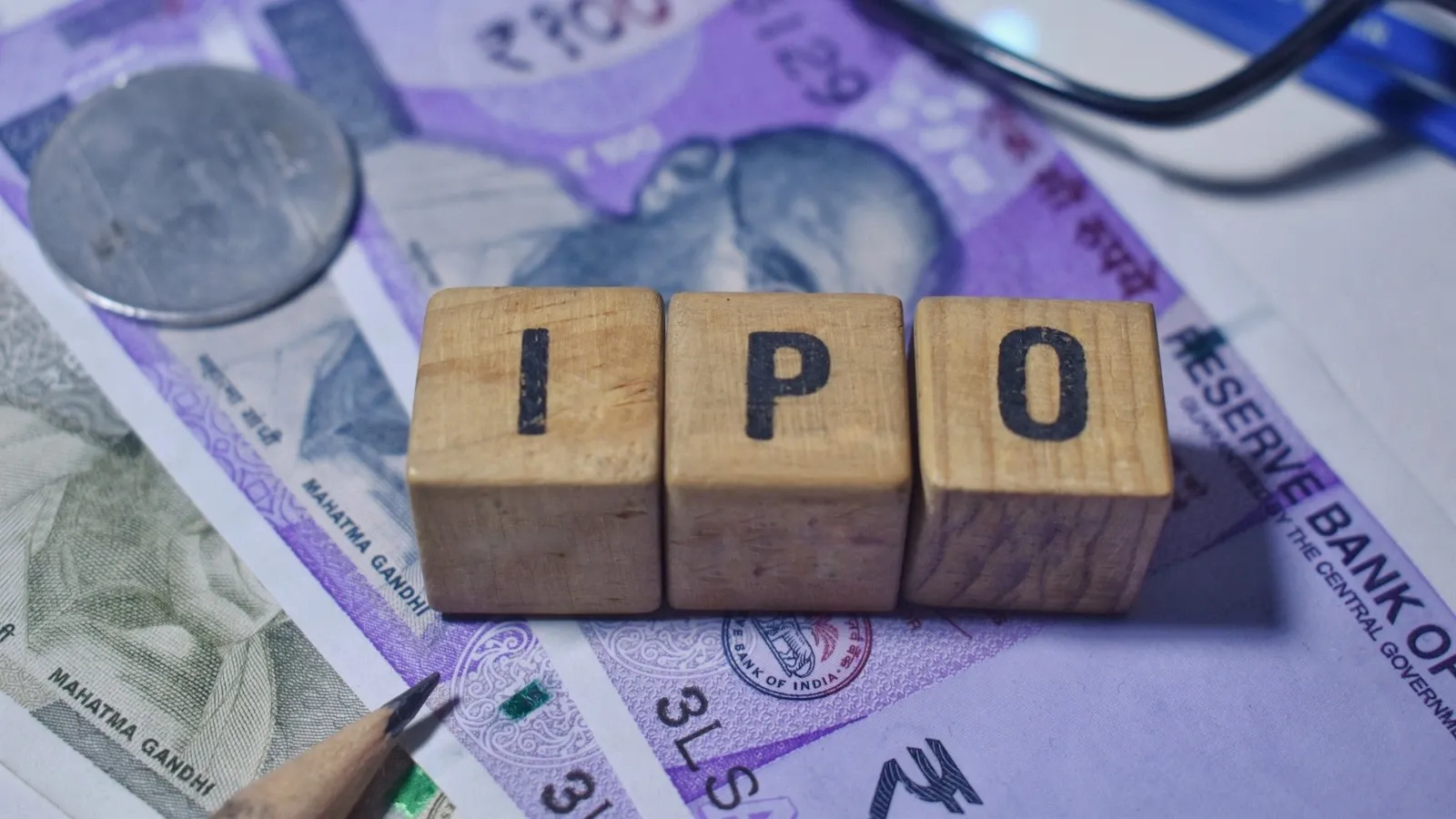
Launching an Initial Public Offering (IPO) is a significant event for any company. It allows a private company to raise funds from the public and obtain profits that can be spent on various things, such as paying debts, acquiring other companies, expanding the main business, working capital, and other objectives.
At the same time, an IPO needs time to be prepared and launched. In the case of India, a company cannot organize an IPO on short notice due to the mandatory inspections and other requirements imposed by the regulatory authorities.
Step 1: Check Whether the Company Is Ready
Before starting the IPO process, a company needs to check whether it meets the applicable eligibility and listing requirements.
For example, NSE's current main-board criteria include requirements relating to post-issue paid-up capital, market capitalisation, track record, and other regulatory conditions.
The company should also have properly maintained financial statements, a suitable corporate structure, clear ownership records, and appropriate systems for handling investor-related matters.
This stage is important because an IPO requires much greater transparency than a privately held company usually needs.
Step 2: Appoint an Investment Banker
The company generally appoints one or more SEBI-registered merchant bankers, often referred to as Book Running Lead Managers (BRLMs).
They help manage important parts of the IPO, including:
- Structuring the issue
- Due diligence
- Preparing the offer documents
- Coordinating with SEBI and stock exchanges
- Helping determine the price band
- Managing the book-building process
- Coordinating the issue and listing
The company will also need professionals such as legal advisers, auditors, registrars, and other specialists depending on the nature of the issue.
Also Read: Pre-IPO Stock Investing in India: How Does it Work and Why is it Important?
Step 3: Conduct Due Diligence
Before shares are offered to investors, the company's business and financial information is carefully reviewed.
This can include checking financial statements, contracts, litigation, borrowings, related-party transactions, intellectual property, promoter details, and other material information.
Step 4: Prepare the Draft Offer Document
One of the most important IPO documents is the Draft Red Herring Prospectus (DRHP) for a main-board IPO.
It contains information about the company, its business, management, financial performance, risks, use of IPO proceeds, and details of the proposed issue.
The draft document is submitted to the relevant authorities for review. NSE states that the draft prospectus should comply with the applicable SEBI ICDR regulations and other relevant laws and requirements.
Step 5: Get Regulatory and Stock Exchange Approvals
The IPO process involves regulatory review and stock-exchange procedures.
For example, NSE's onboarding process includes filing the draft offer document, submitting an application with supporting documents, responding to queries, and obtaining in-principle approval from the exchange.
The exact approvals and process can vary depending on the type of issue and the applicable regulations.
Step 6: Decide the Price Band and Issue Structure
Once the regulatory process moves forward, the company and its advisers finalise important issue details.
These include:
- Number of shares being offered
- Fresh issue and/or offer for sale
- Price band
- Lot size
- Categories of investors
- Use of IPO proceeds
- Issue dates
Many Indian IPOs use the book-building method. In this process, investors submit bids within the specified price band, and demand is used in determining the final issue price.
Step 7: Open the IPO for Subscription
After completing the required steps, the IPO opens for investors.
Investors submit their applications through the prescribed mechanisms, generally using the ASBA process through participating banks.
The IPO remains open for the period specified under the applicable rules. NSE's current process notes that an issue can be open for a minimum of three days and a maximum of ten days.
Step 8: Allot Shares and Complete the Listing
After the IPO closes, applications are processed, and shares are allotted according to the applicable rules.
The shares are then credited to successful investors' demat accounts. After completing the required listing formalities, the company's shares begin trading on the stock exchange.
NSE's process includes post-issue documentation and the final steps required before trading begins.

Launching an IPO in India is a detailed process that demands careful planning, professional advice, and regulatory compliance. From checking eligibility and appointing merchant bankers to preparing the offer document, obtaining approvals, conducting the issue, and completing the listing, every stage needs attention.
FAQs
How long does it take to launch an IPO in India?
There is no fixed timeline for every company. Preparation, due diligence, documentation, regulatory review, and listing formalities can take several months or longer.
Which regulator oversees IPOs in India?
The Securities and Exchange Board of India (SEBI) is the principal securities-market regulator involved in the IPO framework.
Can a small company launch an IPO?
Yes, but the applicable requirements depend on whether the company seeks a main-board or SME listing. SME platforms have separate eligibility and listing requirements.
What is a DRHP?
DRHP stands for Draft Red Herring Prospectus. It is a detailed document containing important information about the company, its business, financials, risks and proposed public issue.
About Author
Sachin Gupta
Senior Sub-Editor

is a seasoned financial writer with over eight years of experience across global markets, including Australia, the UK, and New Zealand. He specialises in simplifying complex financial concepts, making them accessible and engaging for a wide range of readers. When he’s not writing or traveling, he can often be found exploring the mountains, drawing inspiration from the calm and clarity of the outdoors.
Read more from Sachin

















Upstox is a leading Indian financial services company that offers online trading and investment services in stocks, commodities, currencies, mutual funds, and more. Founded in 2009 and headquartered in Mumbai, Upstox is backed by prominent investors including Ratan Tata, Tiger Global, and Kalaari Capital. It operates under RKSV Securities and is registered with SEBI, NSE, BSE, and other regulatory bodies, ensuring secure and compliant trading experiences.
Related articles




IPO
The Ultimate Guide to Initial Public Offerings (IPO): Everything You Need to Know Before Investing11 min read | Written by Mariyam Sara