- kamrup


Petrol Rate Today in Kamrup

Factors influencing petrol prices in Kamrup
Government policies and their impact on petrol prices in Kamrup
Petrol rate in Kamrup today vs yesterday (1 Litre)
| Litre | State | City | Today | Yesterday |
|---|---|---|---|---|
| 1 litre | Assam | Kamrup | 106.51 0.00% | 106.51 -0.08% |
Petrol rate in Kamrup today vs yesterday (1 Litre)
History of Petrol Price Trends in Kamrup
Factors Affecting Petrol Price in Kamrup Today
How is Petrol Taxed in India?
- Base price of crude oil
- OMC processing charges
- Excise duty
- Dealer's commission
- Value Added Tax (VAT)
Goods and Services Tax (GST) on Petrol
How Petrol Prices Impact Indian Consumers?
- Increase in travel costs.
- Increase in the cost of consumer goods.
- Expensive air tickets.
- Rise in the price of agricultural goods.
- Rise in the cost of raw materials used in Industries.
Historical Petrol Rate
| Term | Petrol Rates (1 litre) |
|---|---|
| 7 days | ₹106.53 |
| 10 days | ₹106.53 |
| 20 days | ₹106.59 |
| 30 days | ₹106.58 |
| 60 days | ₹106.59 |
| 90 days | ₹106.66 |
| 180 days | ₹105.00 |
Petrol Rate Analysis
| Petrol Rate (1 Litre) | Petrol Price |
|---|---|
| Sep 1 | ₹106.51 |
| Sep 23 | ₹106.51 |
| Highest in Sep | ₹107.01 |
| Lowest in Sep | ₹106.27 |
| Overall performance | Rising |
Petrol Rates Over Last 10 Days
| Date | Petrol Rates (1 litre) |
|---|---|
| 23 Sep 2026 | ₹106.51 0.00% |
| 22 Sep 2026 | ₹106.51 -0.08% |
| 21 Sep 2026 | ₹106.59 0.08% |
| 20 Sep 2026 | ₹106.51 0.00% |
| 19 Sep 2026 | ₹106.51 0.00% |
| 18 Sep 2026 | ₹106.51 -0.08% |
| 17 Sep 2026 | ₹106.59 0.08% |
| 16 Sep 2026 | ₹106.51 0.00% |
| 15 Sep 2026 | ₹106.51 0.00% |
| 14 Sep 2026 | ₹106.51 0.00% |
Petrol Rates in Major Cities
| City | Petrol Rates (1 litre) |
|---|---|
| Bangalore | ₹111.68 0.00% |
| Bhubaneswar | ₹108.97 0.00% |
| Chennai | ₹107.76 0.00% |
| Coimbatore | ₹108.67 0.04% |
| Delhi | ₹102.12 0.00% |
| Hyderabad | ₹116.15 0.00% |
| Kolkata | ₹113.51 0.00% |
| Mumbai | ₹111.21 0.00% |
| Mysore | ₹110.44 0.00% |
| Pune | ₹111.90 0.00% |
Petrol Rates in States
| State | Petrol Rates (1 litre) |
|---|---|
| Bihar | ₹113.59 0.00% |
| Delhi | ₹102.12 0.00% |
| Assam | ₹106.51 0.00% |
| Gujarat | ₹102.04 0.03% |
| Telangana | ₹116.15 0.00% |
| Dadra And Nagar Haveli | ₹99.62 0.00% |
| Uttar Pradesh | ₹101.86 0.00% |
| Puducherry | ₹103.58 0.00% |
| Tamil Nadu | ₹107.76 0.00% |
| Chhattisgarh | ₹108.97 0.00% |
| Karnataka | ₹111.68 0.00% |

Frequently Asked Questions
What is the petrol price in India today?
How is the petrol price calculated?
Why do petrol rates vary state by state?
How can I find the lowest petrol price near me?
What is GST on petrol?
How do petrol rates impact inflation?
What causes a sudden increase in petrol prices?
Is Excise duty and VAT included in the petrol price in India?
What's in news?


MCX Gold and Silver trade lower, Crude oil prices rebound amid uncertainty over US-Iran ceasefire
MCX Gold and Silver are trading lower as investors remain cautious despite the US-Iran temporary ceasefire. Meanwhile, Brent crude oil prices bounced back today after oil vessel movement through the Strait of Hormuz continued to remain restricted despite a ceasefire.

MCX Gold rise amid US-Israel-Iran war escalation, MCX Crude oil surge on supply disruption fear
MCX Crude oil is trading higher following rise in international crude oil prices after Yemen’s Houthi group attacked Israel over the weekend, pointing to a broader scope for the war in the Middle East as the conflict enters its second month.
MCX Crude oil fall over 10% as US halts strike on Iran’s energy infrastructure; MCX Gold declines over 2%
Brent Crude oil prices declined over 5% to trade around $101 per barrel after US President Donald Trump imposed a five-day halt on military strikes on Iran’s key energy infrastructure. MCX Gold and Silver trades lower
MCX Gold fall over 6% as US Fed flag inflationary pressures from Iran war; check today’s trade setup
MCX Gold and silver are trading lower as investors turn cautious due to inflationary pressure in the US markets, due to the ongoing US-Israel war on Iran.
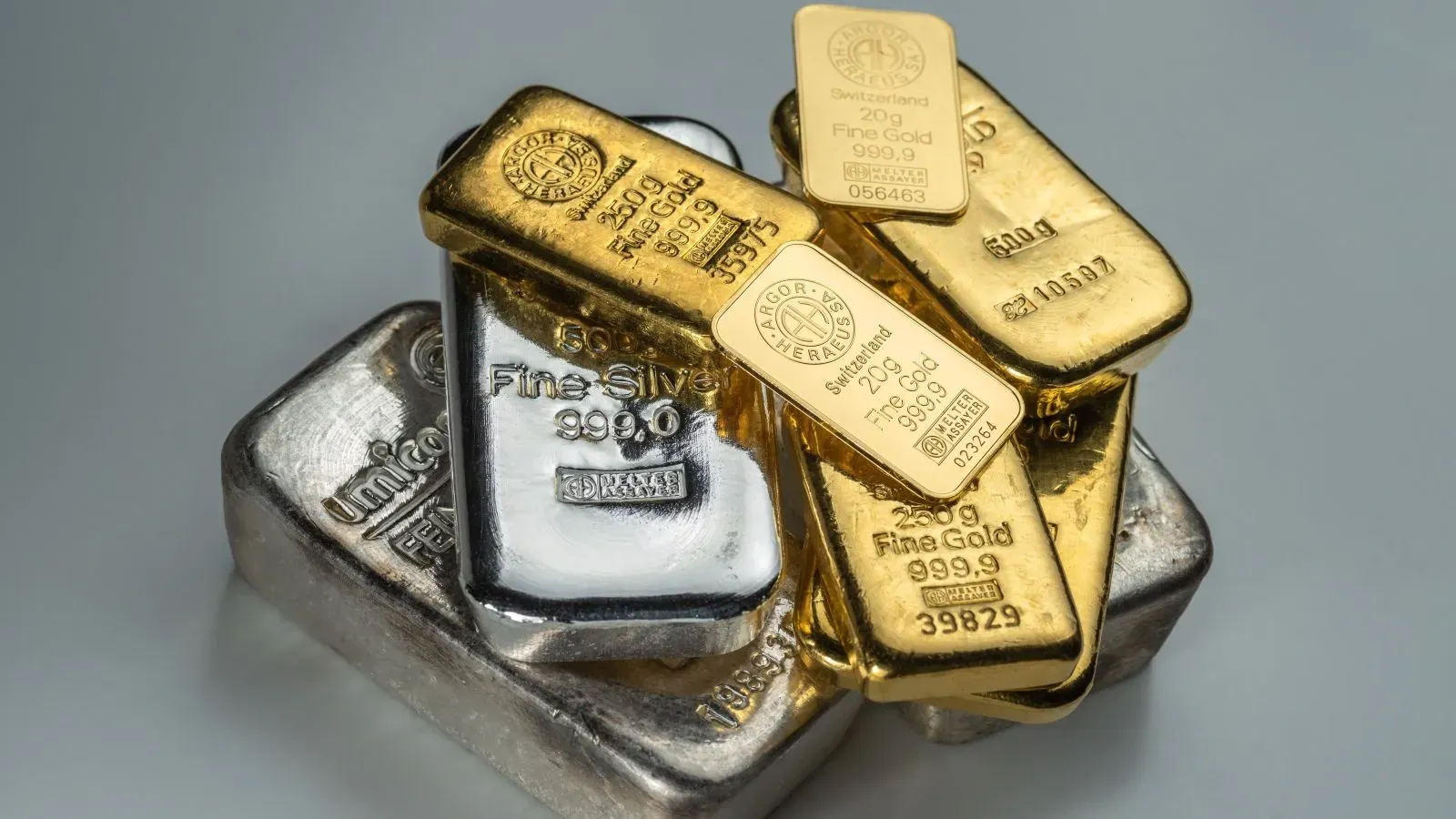
MCX Crude oil surge over 2% amid supply disruption concerns; MCX Gold down over 2%
MCX Gold and silver are trading lower today, while Crude oil reversed its morning losses to trade sharply higher, reacting to a rise in international crude oil prices, which trade above $100 per barrel amid supply disruption concerns.
MCX Gold rises ahead of the US Fed decision; Brent Crude oil trades above $100 per barrel
Gold and silver prices are trading higher today reacting to upbeat move in the global prices and ahead of the US Federal Reserve meeting. Meanwhile, Brent Crude oil continues to trade above $100 per barrel amid supply disruption concerns.

Commodity wrap: Crude oil, aluminium prices rally, gold slumps as West Asia war continues
Over the week, the Brent Crude has soared over 11%, with the contract surging as much as 2.28% to an intraday high of $102.75 per barrel on Friday.

Commodity Market Updates, January 21: Crude oil futures fall; Copper, Zinc advance on the MCX
On the MCX, crude oil futures for February delivery fell by ₹30, or 0.54%, to ₹5,487 per barrel. Meanwhile, copper futures for January delivery rose by ₹8.60, or 0.67%, to ₹1,294.25 per kilogram.

Commodity Market Updates, Jan 14: Crude oil futures fall; Copper, Aluminium advance on MCX
On the MCX, crude oil futures for February delivery slipped by ₹55, or 0.99%, to ₹5,5474 per barrel. Meanwhile, copper contracts for February delivery grew by ₹12.40, or 0.93%, to ₹1,340.60 per kilogram.

Commodity Market Updates, Jan 13: Crude oil futures rise on rising tensions in Iran; Copper falls
On the MCX, crude oil for February delivery traded higher by ₹82 or 1.53% at ₹5,429 per barrel, while copper futures for delivery in February declined by ₹4.45 or 0.33% to ₹1,328.50 per kg.

Commodity Market Updates, Jan 12: Copper, Aluminium rise; Crude oil futures slip on weak global cues
On the MCX, crude oil futures for February delivery slipped by ₹30, or 0.56%, to ₹5,336 per barrel. Meanwhile, copper contracts for February delivery grew by ₹30.90, or 2.38%, to ₹1,329.55 per kilogram.

Commodity Market Updates, Jan 8: Crude oil futures rise; Copper, Aluminium slump amid muted demand
On the MCX, crude oil for February delivery traded higher by ₹19 or 0.37% at ₹5,086 per barrel. Meanwhile, aluminium for delivery in February fell by ₹5.35 or 1.71% to ₹308.15 per kg.
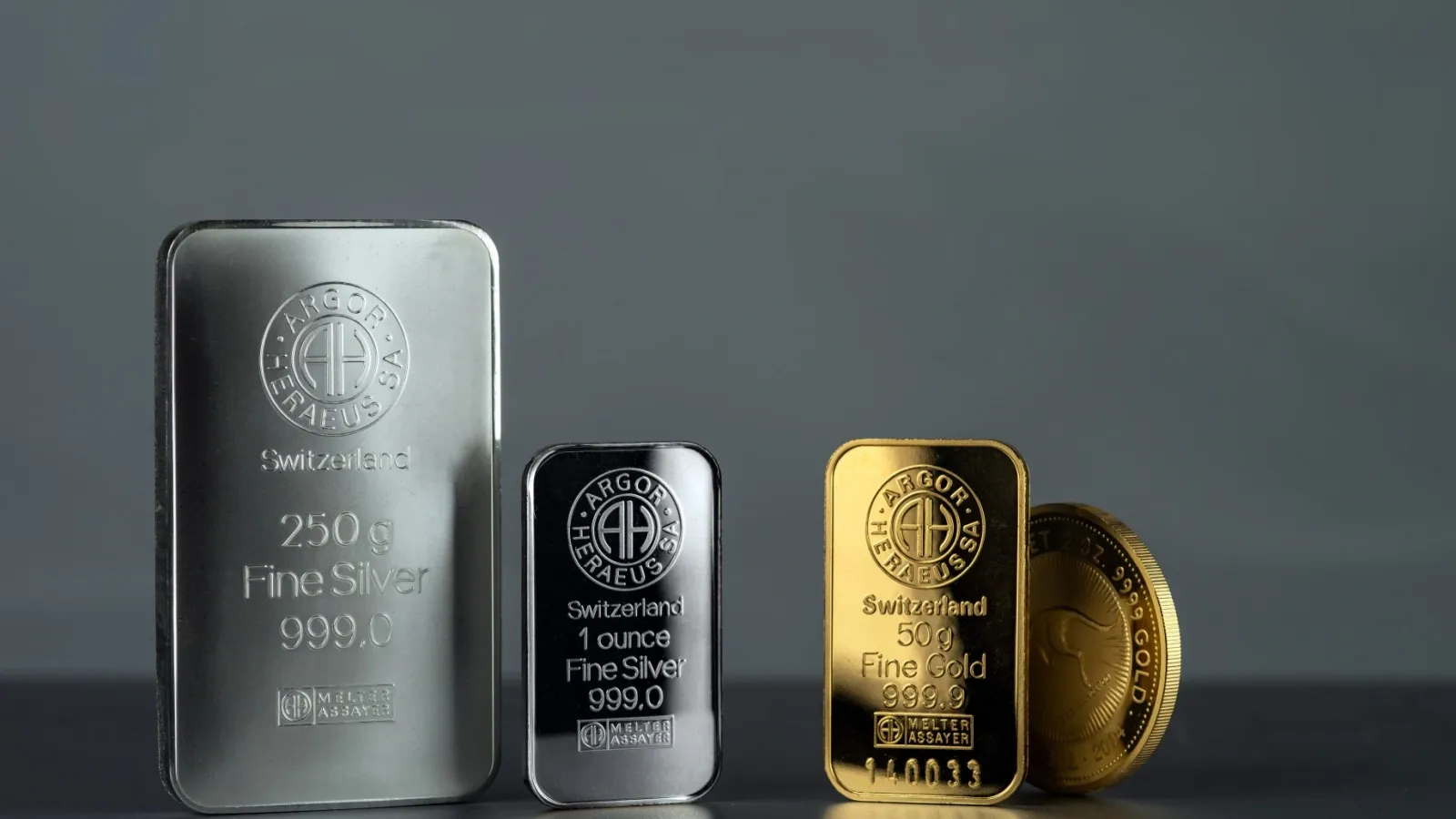
Commodity Market Updates, Jan 7: Silver retreats from record high amid Fed cues; Crude oil falls
On the MCX, silver futures for the March expiry retreated sharply after hitting a record high of ₹2,59,692 per kilogram on Wednesday. Meanwhile, crude oil futures for delivery on January 16 declined by ₹125 or 2.40% to trade at ₹5,085 per barrel.

Commodity Market Updates, Jan 6: Crude oil futures fall amid US-Venezuela crisis; Copper, Zinc gain
On the MCX, crude oil futures for February delivery slipped by ₹17, or 0.32%, to ₹5,200 per barrel. Meanwhile, copper contracts for February delivery grew marginally by ₹19.05, or 1.43%, to ₹1,350.80 per kilogram.

MCX gold, silver surge; Crude oil futures trade on muted note amid US-Venezuela conflict
On the MCX, gold futures for February delivery surged as much as ₹2,439 or 1.8% to an intra-day high of ₹1,38,200 per 10 grams. Meanwhile, silver futures for the March expiry advanced as much as ₹13,584 or 5.75% to the session’s peak of ₹2,49,900 per kilogram.
Commodity Market Updates, December 30: Copper, Aluminium advance; Crude oil futures also rise
On the MCX, crude oil for January delivery traded higher by ₹12 or 0.23% at ₹5,252 per barrel. Meanwhile, aluminium for delivery in January increased by ₹3.90, or 1.34%, to ₹294.10 per kg.
Commodity Market Updates, Dec 26: Copper, Aluminum at record highs; Crude oil futures advance amid rising geopolitical tensions
On the MCX, crude oil contracts for the February expiry increased by ₹13 or 0.25% to trade at ₹5,299 per barrel. Meanwhile, copper futures for the January expiry surged as much as ₹105.5 or 9% to a fresh record high of ₹1,277.95 per kilogram.
Commodity Market Updates, Dec 24: Copper, Aluminium futures jump to all-time highs; Crude oil rises
On the Multi-Commodity Exchange, crude oil for January delivery traded higher by ₹46 or 0.88% at ₹5,300 per barrel. Meanwhile, copper futures for January delivery surged as much as ₹28.6 or 2.48% to a fresh record high of ₹1,181.90 per kilogram.
Commodity Market Updates, Dec 23: Aluminium, Copper hit record highs, Crude oil climbs on rising geopolitical tension
On the Multi-Commodity Exchange, crude oil for January delivery traded higher by ₹6 or 0.11% at ₹5,229 per barrel. Meanwhile, aluminium futures for the January expiry gained as much as ₹2.15 or 0.75% to a fresh record high of ₹288.25 per kilogram.
Commodity Market Updates, Dec 19: Aluminium futures touch record high; Crude oil, Zinc fall on MCX
On the MCX, aluminium futures for January delivery increased by ₹1.35 or 0.61% to touch a lifetime high of ₹287.10 per kilogram. Meanwhile, crude oil for January delivery fell by ₹40 or 0.78% to ₹5,074 per barrel.
Commodity Market Updates, December 18: Crude oil futures rise; Copper, Aluminium decline
On the MCX, crude oil for January delivery traded higher by ₹10 or 0.2% at ₹5,091 per barrel. Meanwhile, copper futures for the January contract eased by ₹1.95 or 0.17% to ₹1,121.95 per kilogram.
Commodity Market Updates, December 17: Crude oil, Copper, Aluminium futures gain on MCX
On the MCX, crude oil for January delivery traded higher by ₹25 or 0.49% at ₹5,096 per barrel. Meanwhile, zinc contracts for January delivery traded higher by 25 paise or 0.08% to ₹303.40 per kilogram.
Commodity Market Updates, December 15: Crude oil, Aluminium, Copper futures advance
On the Multi-Commodity Exchange, crude oil for January delivery traded higher by ₹2 or 0.04% at ₹5,240 per barrel. Meanwhile, copper contracts for January delivery grew by ₹11.05 or 1% to ₹1,119.40 per kg.
Commodity Market Updates, December 11: Crude oil, Copper, Zinc futures surge on higher spot demand
On the MCX, crude oil for January delivery traded higher by ₹30 or 0.57% at ₹5,285 per barrel. Meanwhile, aluminium for delivery in January climbed by ₹1.65 or 0.59% to ₹280.95 per kilogram.

Commodity Market Updates, December 10: Crude oil, copper, aluminium futures advance
On the Multi-Commodity Exchange, crude oil for January delivery traded higher by ₹13 or 0.25% at ₹5,274 per barrel. Meanwhile, copper contracts for January delivery grew by ₹8.70 or 0.8% to ₹1,097.40 per kg.
