What is Graded Surveillance Measure (GSM)? Guide for Investors

Written by Subhasish Mandal
Published on July 21, 2026 | 12 min read

Key Takeaways:
-
The Graded Surveillance Measure (GSM) is a regulatory surveillance framework used by stock exchanges to identify stocks exhibiting abnormal price movements and speculative activity, often in companies with weak fundamentals.
-
The GSM framework consists of six stages, with increasing restrictions across each stage.
-
GSM stocks are generally shifted to the T2T (trade-to-trade) settlement mechanism at specified GSM stages, which means you cannot trade intraday and must take delivery of shares.
-
Stocks are placed under the GSM list to safeguard investors against potential market manipulation, pump-and-dump schemes and excessive speculation.
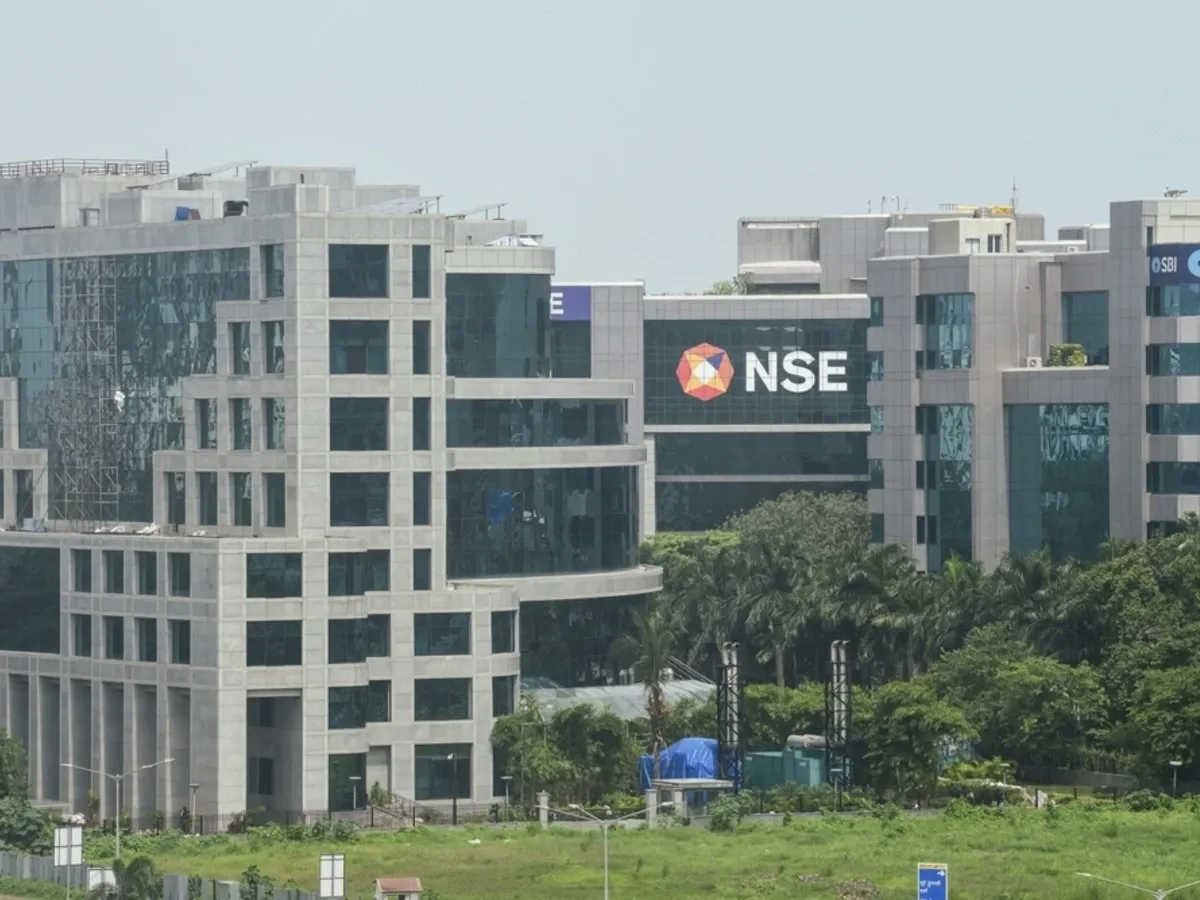
The GSM stands for Graded Surveillance Measure, a regulatory framework introduced by the National Stock Exchange (NSE) and the BSE under the guidance of the Securities and Exchange Board of India (SEBI).
GSM framework came into effect on March 14, 2017, after Indian exchanges observed sharp price rallies in several companies with weak fundamentals. Many of these stocks experienced speculative trading, exposing retail investors to significant risk.
To address this issue, SEBI directed stock exchanges to introduce a structured surveillance mechanism that could identify such securities and apply suitable trading restrictions.
Unlike disciplinary action against the company, GSM is a preventive surveillance measure. It alerts investors that certain stocks require additional caution due to abnormal trading patterns or financial concerns.
This comprehensive guide discusses everything you need to know about the GSM framework, including how it works, its stages, restrictions, and more.
What is GSM in the share market?
The GSM is a surveillance system in the Indian share market under the guidance of SEBI and implemented by the NSE and BSE stock exchanges. It aims to monitor stocks that exhibit excessive price volatility and sharp rallies without any corresponding improvement in financial performance.
The objective is to safeguard retail investors, discourage speculative trading, and ensure fair price discovery in the share market.
Stocks identified under the GSM framework are subjected to different stages of restrictions depending on their assessed risk level.
These restrictions may include higher margin requirements, trade-to-trade settlement, limited trading frequency, additional surveillance deposit, and price movement restrictions.
Being placed under GSM does not necessarily indicate fraud or poor corporate governance. It only serves as a warning that investors should exercise greater caution before investing or trading in such securities.
How Does the GSM Framework Work?
The GSM framework works through the following structured process:
- Stock Identification:
Exchanges regularly analyse stocks using predefined surveillance parameters to identify securities showing abnormal price movements and financial inconsistencies.
- Risk Assessment:
Each identified stock is evaluated based on financial health, valuation, liquidity, and unusual price appreciation before being assigned to a surveillance stage.
- Stage Allocation:
Depending on the level of perceived risk, exchanges place securities into an appropriate GSM stage with specific trading restrictions.
- Continuous Monitoring:
NSE and BSE continuously review the performance of GSM stocks and modify surveillance actions whenever necessary.
- Investor Protection:
The framework discourages speculative trading by increasing trading costs and reducing opportunities for excessive market manipulation.
- Periodic Review:
Stocks are periodically reassessed to determine whether restrictions should be strengthened, maintained, reduced, or completely removed.
Why are stocks placed under GSM?
Stocks may be placed under the GSM framework for the following reasons:
- Abnormal Price Rise:
Stocks witnessing significant price appreciation without matching improvements in business performance may attract GSM surveillance measures.
- Weak Financial Performance:
Companies reporting poor profitability, negative earnings, or weak financial ratios may be considered for closer market surveillance.
- High Valuation:
Excessively valued stocks compared to their earnings or net worth may indicate speculative buying activities requiring regulatory attention.
- Low Trading Liquidity:
Stocks which have low trading liquidity but show significant price appreciation may be considered for GSM monitoring.
- Investor Risk:
Securities with higher investment risks due to unusual trading behaviour may be placed under GSM to alert market participants.
- Market Integrity:
Surveillance measures help maintain fair trading practices and reduce artificial price inflation across the Indian share market.
Stages of GSM
The GSM framework follows multiple stages, with restrictions becoming stricter as securities move to higher stages based on the applicable surveillance criteria.
Stage I
In Stage I, investors must pay a 100% margin before executing trades. The stocks remain under a 5% or lower daily price band, limiting sharp fluctuations while allowing normal trading activity.
Stage II
Stage II introduces trade-to-trade (T2T) settlement, where every trade results in compulsory delivery and intraday trading is not permitted.
Stage III
In Stage III, the stock continues under the T2T settlement mechanism with a 5% price band. Trading is permitted only once per week, usually on Monday, and investors are also required to maintain a 100% Additional Surveillance Deposit (ASD), wherever applicable under the prevailing exchange framework.
Stage IV
Stage IV further tightens surveillance by requiring a 200% ASD, wherever applicable under the prevailing exchange framework. The stock remains under T2T settlement, can be traded only once a week, usually on Monday, and continues to operate within a 5% daily price band.
Stage V
Stage V significantly limits trading activity by allowing transactions only once a month (generally on the first trading day of the month, as specified by the exchanges). The stock continues to remain under T2T settlement, carries a 5% price band, and also continues with a 200% ASD.
Stage VI
Stage VI is the strictest level of the GSM framework. Trading is allowed only once a month; the stock remains under T2T settlement, with a 200% ASD; wherever applicable, the 5% price band continues, and additional trading restrictions may apply in accordance with the applicable exchange surveillance framework.
Restrictions Under GSM Framework: A Quick Overview
Here is a quick overview of restrictions applied to stocks included in the GSM list:
- Higher Margin Requirement:
Investors must deposit higher margins before purchasing GSM stocks, increasing overall trading costs and reducing speculation.
- Trade-for-Trade Settlement:
Every transaction requires compulsory delivery, eliminating intraday trading opportunities and speculative buying or selling.
- Limited Trading Frequency:
Certain GSM stages allow trading only weekly or monthly to reduce excessive market activity.
- Additional Surveillance Deposit:
Traders may need to maintain an additional surveillance deposit, ranging from 100% to 200% depending on the surveillance stage.
- Price Band Restrictions:
Daily price movement remains capped at predefined limits, restricting excessive volatility in identified securities.
- No Intraday Trading:
Investors cannot square off positions within the same trading session for stocks under applicable trade-to-trade (T2T) settlement.
- Restricted Upward Movement:
In certain advanced GSM stages, additional restrictions on upward price movement may be imposed in accordance with the applicable exchange surveillance framework.
How Are Stocks Removed From The GSM List?
Removal of stocks from the GSM framework does not happen automatically. NSE and BSE conduct periodic reviews to determine whether a stock continues to satisfy the surveillance criteria.
If the company’s financial performance improves, speculative activity declines, liquidity stabilises, and valuation becomes more consistent with the applicable surveillance parameters, the stock may gradually move to a lower GSM stage before eventually exiting the framework.
Exchanges continuously monitor the security during this transition to ensure that abnormal trading behaviour does not reappear. The decision is entirely based on exchange surveillance criteria and regulatory assessment rather than company requests.
What is an Additional Surveillance Deposit?
Additional Surveillance Deposit (ASD) is an extra margin collected by stock exchanges from traders dealing in certain securities that are placed under enhanced surveillance. The deposit is introduced to discourage excessive speculation and reduce the risk of abnormal trading activity in the share market.
When a stock is subject to an Additional Surveillance Deposit, traders must maintain an additional amount over and above the regular trading margin before executing trades. This increases the capital required to trade the security, making speculative and highly leveraged positions less attractive.
The NSE and BSE impose an Additional Surveillance Deposit based on their surveillance framework and periodically review its applicability. The deposit is a precautionary risk management measure and does not indicate that the company has weak fundamentals or has violated regulatory rules. Its primary objective is to promote orderly trading, improve market stability, and protect investors from excessive volatility.
What is Trade-to-Trade Settlement?
Trade-to-trade (T2T) settlement is a trading mechanism in which every buy and sell transaction results in compulsory delivery of shares.
Unlike normal trading, intraday buying and selling are not allowed in the T2T segment. Investors who buy shares must take delivery, while sellers must deliver the shares they own.
The NSE and BSE place certain stocks in the T2T segment to reduce excessive speculation, improve market discipline, and protect investors from abnormal price movements. Stocks under the ASM or GSM framework may also be shifted to T2T as part of risk control measures.
GSM vs ASM: Key Differences
Here are the main differences between the GSM and ASM frameworks:
| Basis | GSM | ASM |
|---|---|---|
| Full Form | Graded Surveillance Measure | Additional Surveillance Measure |
| Purpose | Controls speculative stocks with weak fundamentals | Monitors unusual price and volume movements |
| Regulator | Implemented by NSE and BSE under SEBI guidance | Implemented by NSE and BSE under SEBI guidance |
| Trigger | Financial weakness and abnormal price appreciation | High volatility and unusual trading activity |
| Restrictions | Multiple graded stages with increasing restrictions | Margin requirements and surveillance measures |
| Trading Frequency | May be weekly or monthly in higher stages | Usually follows normal trading frequency |
| Intraday Trading | Restricted in higher stages where T2T settlement applies | Depends on the applicable ASM stage |
| Trade-for-Trade | Applicable in higher GSM stages | Applicable in selected ASM stages |
| Objective | Protect investors from speculative investments | Control excessive market volatility |
| Severity | Generally more restrictive | Comparatively less restrictive |
| Stages | It has six different stages of surveillance | It has multiple stages of surveillance under the prevailing ASM framework |
Risk of Trading GSM Stocks
The risk of trading stocks included in the GSM list is as follows:
- Limited Liquidity:
Trading restrictions reduce market participation, making it difficult to buy or sell shares at desired prices.
- Higher Capital Requirement:
Increased margin and surveillance deposits, where applicable, require significantly larger investment amounts for executing trades.
- Restricted Trading Opportunities:
Weekly or monthly trading windows reduce flexibility for active traders and short-term investors.
- High Price Risk:
Stocks under GSM may experience sudden price declines despite restrictions because investor confidence may remain weak.
- No Intraday Flexibility:
Trade-for-trade settlement eliminates intraday strategies and requires compulsory delivery for every transaction.
- Uncertain Exit Timing:
Lower liquidity and restricted trading schedules may delay investors in exiting positions during adverse market conditions.
Things to Consider Before Trading GSM Stocks
Here are a few important things to consider before trading GSM stocks:
- Understand the Reason:
Analyse why the stock entered the GSM framework before investing instead of relying only on recent price movements.
- Review Financial Statements:
Examine revenue, profits, debt levels, and cash flows to evaluate the company’s overall financial strength.
- Check Current GSM Stage:
Different surveillance stages impose different restrictions, affecting liquidity and overall trading flexibility.
- Avoid Speculative Decisions:
Do not purchase GSM stocks solely because of previous price rallies or social media recommendations.
- Plan Exit Strategy:
Limited trading frequency may delay exits, so prepare an appropriate investment and risk management plan beforehand.
- Follow Exchange Updates:
Monitor NSE and BSE surveillance circulars regularly because GSM status and restrictions can change after periodic reviews.
How to Check GSM Stock List?
Investors can easily check the latest GSM stock list on the official websites of NSE and BSE. Both exchanges regularly publish updated circulars and surveillance notices containing securities placed under different GSM stages. Investors should verify the latest stage before initiating any trade because restrictions may change after periodic reviews.
Brokerage platforms also display GSM tags against affected stocks, helping traders identify surveillance securities during order placement. Checking the updated list before investing reduces the chances of entering restricted stocks without proper awareness.

The Graded Surveillance Measure (GSM) is an important surveillance framework that strengthens investors' protection in the share market. GSM was introduced under the guidance of SEBI and implemented by NSE and BSE. It aims to reduce excessive speculative activity and potential market manipulation, thereby helping promote fair and transparent trading.
For investors, the presence of a stock under GSM should be viewed as a cautionary signal rather than an immediate reason to buy or sell.
Conducting proper research, understanding the applicable GSM stage, analysing company fundamentals, and following exchange updates are essential before investing in such securities.
FAQs
What is the full form of GSM in the share market?
The full form of GSM is Graded Surveillance Measure, a surveillance framework introduced by NSE and BSE exchanges under the guidance of SEBI to monitor high-risk stocks.
Does GSM indicate that a company is fraudulent?
No. GSM does not mean the company has committed fraud. It only indicates that the stock requires closer surveillance due to specific risk parameters.
Can intraday trading be done in GSM stocks?
Intraday trading is not allowed in GSM stocks where Trade-for-Trade (T2T) settlement is applicable because every trade requires compulsory delivery.
Who decides whether a stock should be placed under GSM?
NSE and BSE identify stocks based on surveillance criteria under the regulatory guidance issued by SEBI.
Can a stock be removed from GSM?
Yes. Stocks are periodically reviewed and may be removed if they no longer satisfy the surveillance criteria established by the stock exchanges.
What is the difference between GSM and ASM?
GSM mainly targets stocks showing abnormal price appreciation with weak fundamentals, while ASM primarily focuses on unusual price volatility and trading activity requiring additional surveillance.
About Author
Subhasish Mandal
Sub-Editor


A finance professional with strong expertise in stock market and personal finance writing, he excels at breaking down complex financial concepts into simple, actionable insights. Holding a Master’s degree in Commerce, he combines academic depth with practical knowledge of technical analysis and derivatives.
Read more from Subhasish





















Upstox is a leading Indian financial services company that offers online trading and investment services in stocks, commodities, currencies, mutual funds, and more. Founded in 2009 and headquartered in Mumbai, Upstox is backed by prominent investors including Ratan Tata, Tiger Global, and Kalaari Capital. It operates under RKSV Securities and is registered with SEBI, NSE, BSE, and other regulatory bodies, ensuring secure and compliant trading experiences.
Related articles
Share Market
What Is a Market Correction? Meaning, Causes, and Strategy15 min read | Written by Bidita Sen

Share Market
Cyclical vs Defensive Stocks: Differences, Examples and Strategy15 min read | Written by Bidita Sen

Share Market
What is Efficiency Ratio: Meaning, Types, Formula and More12 min read | Written by Sachin Gupta

Share Market
What is a Solvency Ratio: Meaning, Types, Benefits, Limitations and More12 min read | Written by Sachin Gupta
Share Market
Profitability Ratios: Meaning, Formula, Benefits, Limitations and More11 min read | Written by Sachin Gupta


Share Market
A Guide to American Depository Receipts (ADR) for Indian Investors13 min read | Written by Subhasish Mandal