A Complete Guide on Commercial Motor Insurance

Written by Mariyam Sara
Published on August 20, 2026 | 12 min read

Key Takeaways
-
Commercial motor insurance is a type of motor insurance that protects vehicles used for business or work purposes against unexpected and high repair costs arising from accidents, theft, fire, and natural disasters, while also paying for third-party legal liabilities
-
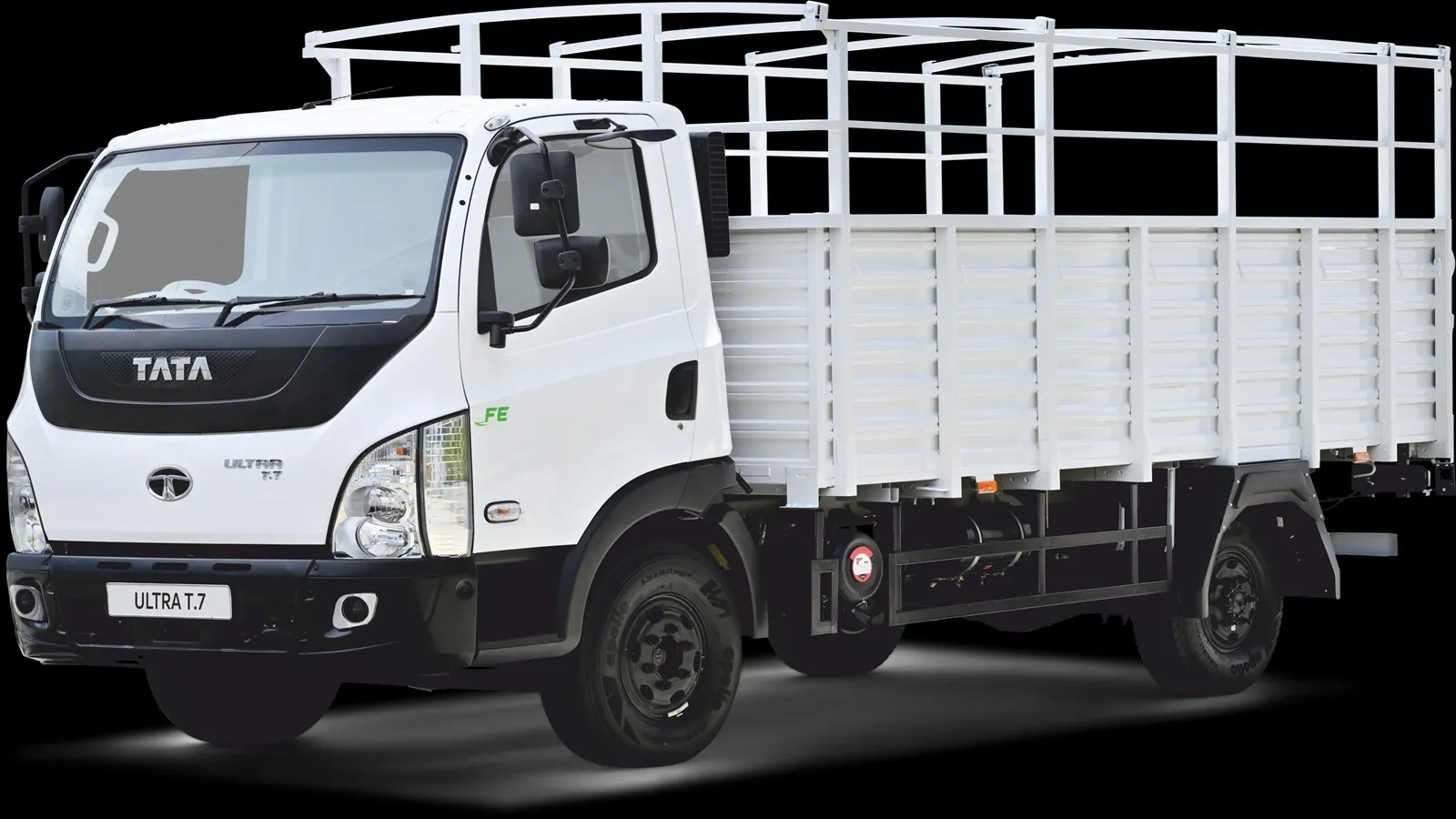
Commercial motor insurance covers vehicles such as trucks, delivery vans, taxis, and company cars.
-
There are three types of commercial motor insurance: third -party liability, own damage, and comprehensive insurance plans.
-
The premium on commercial vehicle insurance is calculated based on regulated third-party liability rates, which depend on factors such as vehicle type, cubic capacity, or gross weight, and own-damage premium based on the vehicle's Insured Declared Value, age, and location.
A commercial vehicle is an income-generating asset for your business, and since it is used frequently, it may face a higher risk of costly repairs. Events such as accidents, theft, or liability can damage your business operations and cause significant financial losses. You need commercial motor insurance to protect against these sudden expenses.
Let’s understand in detail what commercial motor insurance is, how it works, its coverage, and exclusions.
What Is Commercial Motor Insurance?
Commercial vehicle insurance is a type of insurance that protects vehicles used for business purposes against high and unexpected repair costs arising from accidents, theft, fire, and natural disasters, while also covering third-party legal liabilities.
In India, all personal and commercial motor vehicles must have a third-party liability insurance plan as per the Motor Vehicles Act, 1988.
You must get commercial motor insurance if your vehicle falls under any of the following categories.
| Vehicle Category | Examples |
|---|---|
| Goods-carrying vehicles | Trucks, tempos, and pickup vans |
| Passenger-carrying vehicles | Buses, taxis, and cabs |
| Three-wheelers | Auto rickshaws |
| Commercial cars | Company or business vehicles |
What Is the Difference Between Commercial Motor Insurance and Private Motor Insurance?
Let’s explore and understand the differences between commercial and private motor insurance.
| Commercial Vehicle Insurance | Private Vehicle Insurance |
|---|---|
| Used for business or commercial purposes | Primarily used for personal purposes |
| Designed around commercial risks | Designed around private-use risks |
| Applicable to commercial vehicle categories | Applicable to private cars/two-wheelers |
| Premium depends on commercial risk factors | Premium depends on private-vehicle factors |
Types of Commercial Vehicle Insurance
The following are the types of commercial motor insurance plans you can choose based on your coverage requirements.
Third-Party Motor Vehicle Insurance
A third-party commercial vehicle insurance plan is mandatory for all commercial vehicles as it covers repair expenses arising from third-party property damage, physical injuries, or death. This ensures that the third party suffering loss due to the vehicle owner is fairly compensated.
Comprehensive Motor Vehicle Insurance
A comprehensive commercial vehicle insurance plan covers both damage to your commercial vehicle and third-party liabilities. This insurance plan combines third-party liability cover and own-damage cover, offering comprehensive protection for your vehicle.
Own-Damage Commercial Vehicle Insurance
A damaged commercial vehicle insurance plan only covers repair expenses of your commercial vehicle and does not cover third-party liabilities. In India, own-damage cover is typically purchased alongside third-party insurance plans.
Fleet Insurance
Fleet insurance is a type of commercial motor insurance plan that covers multiple company-owned vehicles under one master policy. This plan is ideal for businesses with multiple commercial vehicles, offering centralised administration, easy tracking of policy expiry, and bulk discounts.
What Does Commercial Motor Insurance Cover?
Here’s a detailed table about the commercial Insurance cover.
| Coverage Type | What It Protects Against | Details |
|---|---|---|
| Third-Party Liability | Injury, death, or property damage to others | Legally mandatory for all vehicles to ensure compensation for the losses caused to a third person. |
| Own Damage Cover | Damage caused to your own commercial vehicle | Covers damages caused by events such as crashes, accidents, and collisions. |
| Natural Disasters | Floods, storms, earthquakes, and cyclones | Compensates for damages incurred due to sudden acts of nature. |
| Man-Made Disasters | Riots, strikes, vandalism, and terrorism | Covers damage caused by acts of terrorism or intentional public violence. |
| Theft & Burglary | Loss if the vehicle is stolen | The insurer will compensate for the stolen vehicle based on the Insured Declared Value (IDV). |
| Fire Damage | Blazes, self-ignition, or explosions | Covers fire-related total or partial loss. |
| Personal Accident | Injury or death of the driver or owner | Provides monetary compensation for medical needs or fatal mishaps. |
What Is Not Covered by Commercial Vehicle Insurance?
Damage to your commercial vehicle caused by the following events is not covered under the commercial motor insurance policy.
Regular Wear and Tear
If your commercial vehicle requires repairs due to aging or physical deterioration of the vehicle parts from normal wear and tear.
Mechanical or Electrical Failures
Vehicle breakdowns and damage caused by internal mechanical or electrical malfunctions, rather than external accidents, will not be covered.
Driver Intoxication
Damages caused by accidents arising when the driver is under the influence of alcohol, narcotics, or other drugs will not be covered.
Invalid Licensing
If your commercial vehicle gets into an accident and the driver does not have a valid driving licence, the repair costs for the damage will not be covered.
Geographical Limits
Some commercial motor insurance plans cover only a specific city or operational zone. If your vehicle is stolen, damaged, or involved in an accident that causes third-party liability outside the covered area, the insurance provider may not cover the repair costs.
Misuse or Illegal Use
If your commercial vehicle is damaged while being used for illegal acts, or speeding or racing, the insurance provider will not cover the damages.
Consequential Losses
Secondary or indirect financial losses resulting from an accident or damage to a certain part would not be covered.
War and Nuclear Risks
Damage to your commercial vehicle resulting from war or nuclear attacks would not be covered by the insurance provider.
Commercial Vehicle Insurance Add-Ons
You can customise your commercial motor insurance coverage by selecting certain add-ons or riders. The following are a few must-have commercial vehicle insurance add-ons.
Zero Depreciation
When you file a repair claim for commercial vehicle damage, a standard policy subtracts the depreciation value of the replaced parts. Adding a zero-depreciation cover eliminates these deductions, ensuring maximum final claim payout.
IMT 23 Cover
The IMT 23 cover is specifically designed for commercial vehicles to cover parts that are usually excluded from standard commercial motor insurance policies, such as tires, tubes, lamps, and bumpers, after depreciation.
Consumables Cover
A consumables cover ensures the insurer pays for items used during repairs, such as engine oil, nuts, bolts, screws, and washers, that are excluded in a standard policy.
Engine & Gearbox Protection
The engine and gearbox protection add-on covers repair costs for damage caused to the internal engine parts or gearbox due to waterlogging or oil leakage. This add-on is suitable for vehicles in flood-prone areas such as Mumbai.
Loss of Revenue / Daily Allowance
This add-on compensates for the daily business income lost while your commercial vehicle is being repaired after an accident.
Roadside Assistance (RSA)
The roadside assistance cover provides emergency assistance such as towing, flat tire changes, or jump-starts if your vehicle breaks down unexpectedly on a street.
Electrical or Non-Electrical Accessories Cover
You can insure the additional accessories installed in your car by opting for an electrical or non-electrical accessories cover.
Factors That Affect Commercial Vehicle Insurance Premium
The following are the factors that affect the premium on your commercial motor insurance.
Insured Declared Value (IDV)
IDV is the maximum payout your insurer will pay if your commercial vehicle is stolen or damaged beyond repair. It is the current market value of the vehicle after accounting for depreciation. The higher the IDV, the higher the commercial vehicle insurance premium.
Engine Capacity (CC)
Vehicles with larger, more powerful engines typically have higher premiums, as their repair costs are significantly higher.
Vehicle Type
Heavy-duty vehicles, such as trucks or commercial loaders, are charged higher premiums than light-duty vehicles because they cause more severe damage in accidents, carry heavy or hazardous loads, and cost more to repair or replace.
Purpose and Cargo
If your business transports hazardous materials or heavy goods, you may have to pay a higher premium. These vehicles pose a greater risk to r the insurer than those carrying general light freight or passengers.
Geographical Location
If your business operates in congested metropolitan areas that are prone to heavy traffic accidents and theft, such as Mumbai and Bangalore, the premium charged would be higher.
Deductibles
If you opt for commercial motor insurance with a deductible, the premium will be lower than for a policy with no deductible. The higher the deductible, the lower the premium.
Add-On Covers
Customising and selecting additional covers, such as zero depreciation, roadside assistance, and consumables cover, would increase the insurance premium.
How to Reduce Commercial Vehicle Insurance Premium
Here’s how you can reduce commercial vehicle insurance premiums.
Compare Plans Online
Before buying commercial motor insurance, compare plans offered by various insurers to find an affordable policy with a low premium and the right coverage for your needs.
Optimize IDV
Set a realistic Insured Declared Value (IDV). Do not reduce your IDV significantly just to reduce your premium because if your car is stolen or totaled beyond repair, the claim payout would be low and insufficient.
Avoid Unnecessary Add-ons
You don’t need to add every rider to your commercial motor insurance policy. Select add-ons that truly add value and align with your operational risk profile.
Protect Your NCB
Pay for small scratches, dents, or minor repairs out of pocket instead of filing a claim, to preserve your No Claim Bonus benefit, which will help lower your premium at renewal.
Increase Voluntary Deductibles
If you want to reduce your premium, you can opt for a voluntary deductible, under which you will have to pay a fixed amount for the damages out of pocket during a claim before your insurance kicks in.
Avoid Risky Modifications
Avoid risky and non-essential vehicle modifications intended to enhance performance, as they increase the vehicle’s value, leading to higher insurance premiums.
Timely Renewals
Renew your commercial vehicle insurance on time. A coverage gap can reset your policy benefits and raise your premium as the vehicle ages, and driving without valid insurance will lead to heavy fines.
How to Buy Commercial Vehicle Insurance Online
Buying commercial motor insurance online is quick and easy; just follow the steps below.
Step 1: Visit an insurance provider’s official website or a web aggregator’s platform such as Upstox.
Step 2: Choose the Commercial Vehicle Insurance option in the motor insurance segment.
Step 3: Enter your vehicle registration number and RTO details.
Step 4: Provide details of the vehicle’s business use, make, model, and weight.
Step 5: Select the Insured Declared Value (IDV) and policy type, such as Third-Party or Comprehensive, or Own Damage.
Step 6: Pick any extra add-on covers as per your vehicle requirements and customise your coverage.
Step 7: Upstox provides a list of insurers that offer the insurance you need. Select one and pay the first premium using UPI, net banking, or a card. You will receive a soft copy of your policy by email. Keep a digital or physical copy of the insurance certificate in your vehicle as required.
Documents Required To Buy Commercial Vehicle Insurance
If you’re planning to buy commercial motor insurance, you will need the following documents.
- Vehicle Registration Certificate (RC) copy
- Previous policy paper, for insurance policy renewal
- Identity and address proof such as PAN or Aadhaar Card.
- Business registration proof such as Certificate of Incorporation, GST Registration Certificate, Udyam Registration Certificate, Shop and Establishment License, Import Export Code (IEC), or Partnership Deed.

Commercial motor insurance is a type of motor insurance that saves against high repair costs and business interruptions. Whether you own a truck, taxi, bus, van, or any other commercial vehicle, the right insurance can help protect you from unexpected and expensive repair costs.
Before buying a policy, compare different plans, review the coverage, understand the exclusions, and choose add-ons that suit your needs. Also, make sure your policy is renewed on time to avoid any break in coverage. By choosing the right commercial vehicle insurance, you can protect your vehicle, business, and finances while keeping your operations running smoothly.
FAQs
What is commercial motor insurance in India?
Commercial motor insurance protects business vehicles, such as trucks, taxis, buses, vans, and auto-rickshaws, against unexpected damage, theft, and financial liabilities. Depending on your needs, you can choose third-party liability, own-damage, or comprehensive insurance coverage.
Is commercial vehicle insurance mandatory in India?
Yes, third-party insurance is mandatory for all commercial and personal vehicles in India as per the Motor Vehicles Act, 1988.
What is the difference between third-party and comprehensive commercial vehicle insurance?
In commercial motor insurance, third-party insurance covers injury, death, or property damage caused to others, whereas comprehensive insurance covers damage to your own commercial vehicle as well as third-party liabilities.
How is commercial vehicle insurance premium calculated?
The premium on commercial vehicle insurance is calculated as the sum of regulated third-party liability rates based on vehicle type, cubic capacity, or gross weight, and own-damage costs based on the vehicle's Insured Declared Value, age, and location, minus applicable discounts such as the No Claim Bonus (NCB), and then GST is added.
How can I buy commercial vehicle insurance online?
You can buy commercial motor insurance online via a web aggregator such as Upstox, which allows you to compare commercial insurance plans online, or the official web portal of a motor insurance provider.
About Author
Mariyam Sara
Sub-Editor

holds an MBA in Finance and is a true Finance Fanatic. She writes extensively on all things finance whether it’s stock trading, personal finance, or insurance, chances are she’s covered it. When she’s not writing, she’s busy pursuing NISM certifications, experimenting with new baking recipes.
Read more from Mariyam


















Upstox is a leading Indian financial services company that offers online trading and investment services in stocks, commodities, currencies, mutual funds, and more. Founded in 2009 and headquartered in Mumbai, Upstox is backed by prominent investors including Ratan Tata, Tiger Global, and Kalaari Capital. It operates under RKSV Securities and is registered with SEBI, NSE, BSE, and other regulatory bodies, ensuring secure and compliant trading experiences.
Related articles

Motor Insurance
What Is a No-Claim Bonus (NCB)? Everything You Need to Know11 min read | Written by Mariyam Sara
Motor Insurance
The Complete Guide to Car and Bike Insurance in India (2026)12 min read | Written by Mariyam Sara
Motor Insurance
How to Claim Motor Insurance After an Accident in India: Documents, Process & Tips11 min read | Written by Mariyam Sara
Motor Insurance
Insured Declared Value (IDV): Complete Car Insurance Guide10 min read | Written by Mariyam Sara
Motor Insurance
What Happens If You Miss Your Motor Insurance Renewal4 min read | Written by Mariyam Sara
Motor Insurance
Commercial Vehicle Insurance in India: What Makes It Different & Why It Matters5 min read | Written by Upstox Desk

Motor Insurance
Road Safety Tips for Monsoon 2025: A Complete Guide4 min read | Written by Upstox Desk