Is Demat Account Safe?

Written by Subhasish Mandal
Published on October 07, 2022 | 5 min read

Key Takeaways:
-
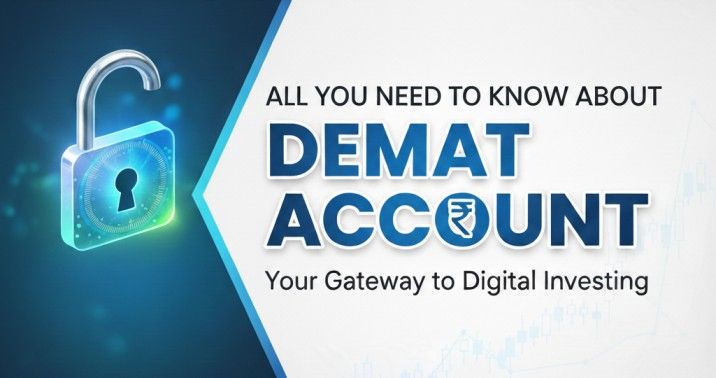
A demat account is a secure, safe way to hold and manage your financial securities electronically.
-
A central depository such as CDSL or NSDL holds the shares in your demat account, not the broker.
-
In case of broker default, investors are further protected by the Exchange Investor Protection Fund (IPF).
A demat account is necessary for anyone looking to invest in stocks, bonds, or mutual funds. It allows investors to hold shares and other financial securities electronically instead of holding physical certificates.
However, many investors wonder whether their investments and personal information remain secure. This article answers some common questions about demat account safety.
What is a Demat Account?
A demat account is a digital wallet for holding shares, bonds, mutual funds, government securities, and exchange-traded funds. It is maintained through a depository participant registered with a depository.
A demat account does not hold cash directly. It primarily records the ownership of the securities in digital form. You buy and sell shares through the trading account.
Is Opening a Demat Account Online Safe?
Yes, opening a demat account online can be safe if you use a legitimate, regulated broker or depository participant. Online account opening generally involves identity verification, document submission, and authentication processes.
Choose a SEBI-registered broker and access its official website or mobile application when submitting personal and financial information. Avoid opening accounts through unknown links, unsolicited messages, or unverified applications.
Investors should also follow basic security practices such as keeping passwords confidential, enabling additional authentication, and avoiding sharing one-time passwords with anyone.
Is Money in my Demat Account Safe?
A demat account mainly holds securities, not money. Shares and other securities recorded in the account belong to the investor and are maintained electronically through the depository system.
Money used for investing is generally held in the linked bank or trading account. Therefore, investors should understand the difference between securities held in a demat account and cash maintained elsewhere.
Regulated intermediaries also follow prescribed procedures for maintaining investor assets and records. However, investors should regularly review their account statements and transaction alerts to identify unauthorised activity.
Can I Keep Zero Balance in my Demat Account?
Yes, an investor can generally have zero securities in a demat account after selling or transferring all holdings. However, a zero securities balance does not necessarily mean there are no account-related charges.
Some account types may have annual maintenance charges or other applicable fees. Investors should check the charges applicable to their particular demat account.
If an account is no longer required, investors can consider closing it after clearing outstanding dues and completing the required closure process.
Tips To Keep Demat Account Safe
Here are some useful tips to keep the demat account safe:
- Strong Password:
Use a strong, unique password for your demat account and avoid using easily predictable personal information.
- Two-Factor Authentication:
Enable two-factor authentication wherever available to add an extra layer of protection against unauthorised access.
- Protect OTPs:
Never share one-time passwords, PINs, or authentication codes with anyone, including people claiming to represent your broker.
- Use Official Platforms:
Access your demat account only through the broker's official website or verified mobile application.
- Avoid Public WiFi:
Avoid accessing your demat account through unsecured public networks that may increase your exposure to cybersecurity threats.
- Check Alerts:
Regularly review transaction alerts, account statements, and notifications to identify unfamiliar activity quickly.
- Update Contact Details:
Keep your registered mobile number and email address up to date so that you receive important account notifications.
- Beware of Phishing:
Do not click on suspicious links or provide login credentials after receiving unsolicited emails, messages, or phone calls.
- Secure Your Device:
Keep your smartphone and computer updated and use screen locks to prevent unauthorised access.
- Review Transactions:
Check your holdings and transaction history regularly to identify incorrect or unauthorised transactions as early as possible.

A demat account is considered safe when maintained with a SEBI-registered broker and used with appropriate security precautions. Investors should protect their login credentials, avoid sharing authentication information, and regularly monitor account statements and transaction alerts.
Understanding how securities and cash are maintained separately can also help investors manage their investments more effectively.
FAQs
Is a Demat account safe?
Yes, Demat accounts are safe, secure, and mandatory for investing and trading in the share market. SEBI's regulatory oversight and the security measures implemented by depository institutions like NSDL and CDSL make them safe.
Is it safe to open a Demat account online?
Yes, it is safe to open a demat account online, but make sure to open an account with a SEBI-registered depository participant.
Can I open multiple demat accounts?
Yes, you can open multiple demat accounts with different depository participants.
How do I keep my demat account safe?
To keep your demat account safe, use a strong password, enable two-factor authentication, monitor your account regularly, and avoid sharing your account details.
About Author
Subhasish Mandal
Sub-Editor


A finance professional with strong expertise in stock market and personal finance writing, he excels at breaking down complex financial concepts into simple, actionable insights. Holding a Master’s degree in Commerce, he combines academic depth with practical knowledge of technical analysis and derivatives.
Read more from Subhasish




















Upstox is a leading Indian financial services company that offers online trading and investment services in stocks, commodities, currencies, mutual funds, and more. Founded in 2009 and headquartered in Mumbai, Upstox is backed by prominent investors including Ratan Tata, Tiger Global, and Kalaari Capital. It operates under RKSV Securities and is registered with SEBI, NSE, BSE, and other regulatory bodies, ensuring secure and compliant trading experiences.
Related articles

Demat Account
Difference Between Trading Account and Demat Account5 min read | Written by Pradnya Surana
Demat Account
What is a brokerage account? | Complete information5 min read | Written by Upstox Desk
Demat Account
Demat Account Opening Procedure: Check Steps for Beginners5 min read | Written by Sachin Gupta
Demat Account
What Is The Minimum Amount Required For Opening A Demat Account8 min read | Written by Upstox Desk