Power Petrol vs Normal Petrol: Which is Better?

Written by Subhasish Mandal
Published on June 16, 2026 | 7 min read

Key Takeaways:
-
Power petrol is a premium variant of petrol with an octane rating ranging from 91 to 94, sometimes up to 97, depending on the brand.
-
Normal petrol or standard petrol has an octane rating between 87 and 91, suitable for daily computing needs.
-
The price of power petrol is higher than the normal petrol price because it undergoes additional processing and contains premium additives.
-
Normal petrol is generally sold as E20 fuel in India, which contains 20% ethanol blended petrol.
-
One of the highest premium quality petrol variants available in India is XP100, which has an octane rating of 100.
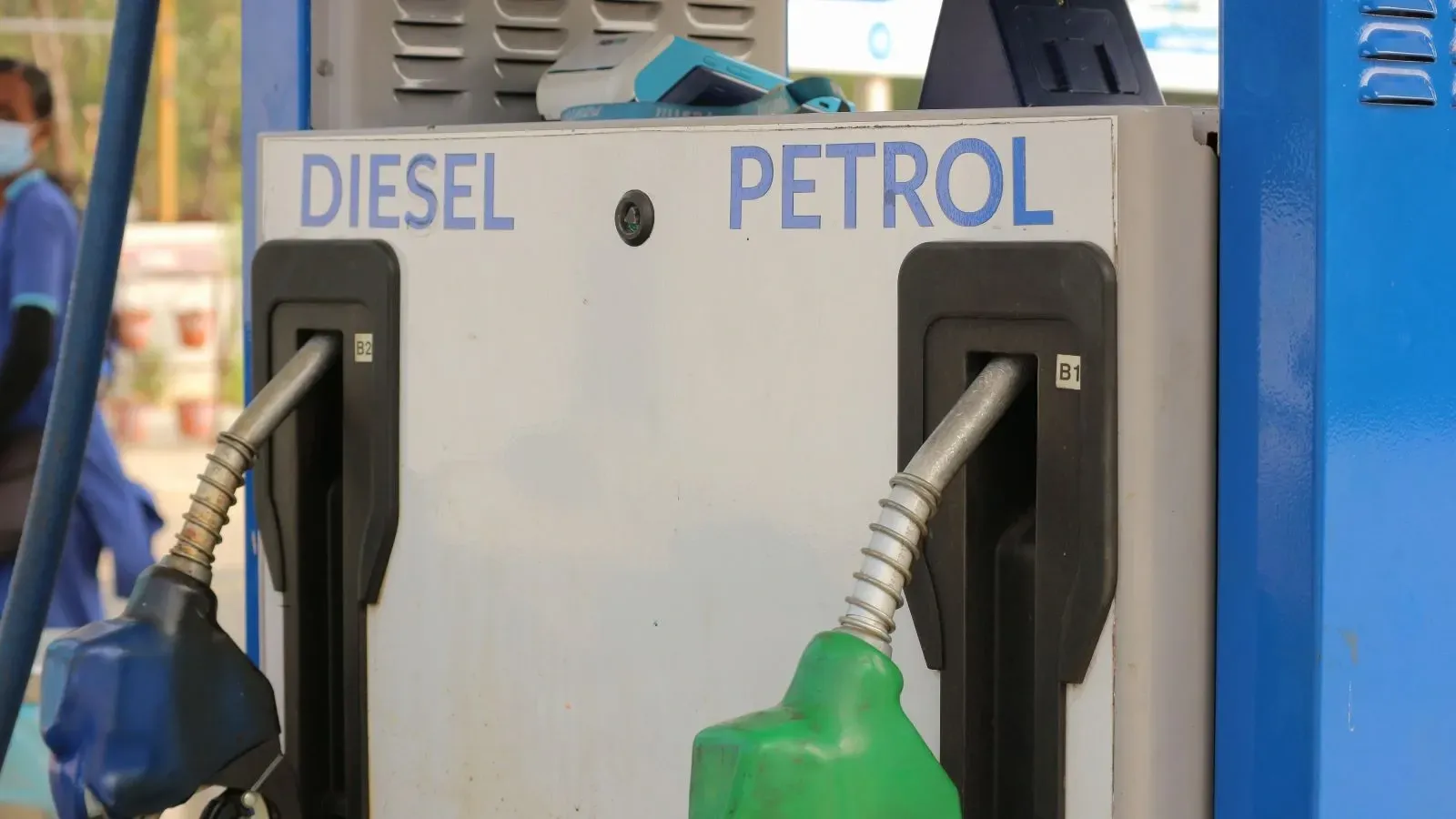
In India, petrol is an essential commodity and is widely used in vehicles. In recent years, fuel choices have evolved, giving vehicle owners more options than ever before. Alongside normal petrol, oil marketing companies now offer premium petrol variants, commonly known as power petrol, which are marketed as performance-enhancing alternatives.
This article discusses the difference between power petrol and normal petrol, and explains which type of petrol variant may be suitable for your vehicle.
What is Power Petrol?
Power petrol is a premium fuel variant that has a higher octane rating, typically ranging from 91 to 100, and is designed to improve engine performance and efficiency. This type of petrol contains specialised additives that help clean engine components and reduce deposits.
In India, popular power petrol variants include XP95 petrol, XP100 petrol, and Speed petrol, which are offered by different fuel retailers. As these fuels have a higher octane rating, they are more resistant to engine knocking, especially in high-compression engines.
The higher octane levels allow modern engines to perform efficiently under demanding conditions. Many manufacturers of premium motorcycles and performance-oriented cars recommend higher-octane fuel for optimal operation.
What is Normal Petrol?
Normal petrol is the standard fuel used by most petrol-powered vehicles in India. It has an octane rating between 87 and 91 and is suitable for everyday commuting needs.
Regular fuel is designed to meet the requirements of mass-market vehicles that do not require high-octane petrol. It is also more affordable than the extra premium petrol variants.
In India, normal petrol is increasingly sold as E20 fuel, which contains up to 20% ethanol blended petrol and 80% original petrol. Earlier, E10 petrol containing 10% ethanol was the standard blend in several regions.
The integration of ethanol aims to reduce dependence on imported crude oil and improve environmental sustainability.
Power Petrol vs Normal Petrol
Here is the difference between power petrol and normal petrol in a tabular format:
| Parameter | Power Petrol | Normal Petrol |
|---|---|---|
| Octane Rating | 95 to 100 octane | Usually around 91 octane |
| Examples | XP95 petrol, XP100 petrol, Speed petrol | Normal petrol sold at retail outlets |
| Engine Compatibility | Suitable for high-performance engines | Suitable for regular commuter vehicles |
| Additives | Contains detergents and cleaning agents | Limited additive package |
| Performance | Better acceleration and smoother combustion | Adequate for everyday driving |
| Knocking Resistance | Higher resistance to engine knocking | Lower resistance compared with premium variants |
| Fuel Efficiency | May improve efficiency in compatible engines | Standard efficiency levels |
| Price | Higher due to premium formulation | Lower and more economical |
| Maintenance Benefits | Helps reduce carbon deposits | Basic protection for engine components |
| Availability | Limited compared with regular petrol | Widely available across fuel stations |
Power Petrol vs Normal Petrol: Direct Comparison
When comparing power petrol and normal petrol, the most significant difference lies in their octane rating and additive package. Power petrol is formulated for enhanced performance, whereas normal petrol prioritises affordability and widespread compatibility.
Vehicles equipped with turbocharged engines, higher compression ratios, or manufacturer recommendations for premium fuel can benefit from power petrol. Meanwhile, standard commuter vehicles usually perform efficiently on normal petrol.
Another factor influencing consumer choice is petrol price. Since power petrol undergoes additional processing and contains premium additives, its retail cost is generally higher than standard fuel.
The price difference may vary depending on regional taxes and fluctuations in global crude oil price trends.
When to Use Power Petrol?
Here are scenarios when you should consider using power petrol:
- Manufacturer Recommendation:
Use power petrol when the vehicle manufacturer specifically recommends higher-octane fuel for performance optimisation.
- Performance Vehicles:
Sports motorcycles and premium cars often achieve smoother acceleration using extra premium petrol.
- Turbocharged Engines:
Turbocharged petrol engines benefit from enhanced knocking resistance provided by higher-octane petrol variants.
- Long Highway Drives:
Power petrol may provide better combustion efficiency and smoother engine performance when driving for long-distance journeys.
- Engine Cleanliness:
Premium additives in fuels such as XP95 petrol and Speed petrol help minimise harmful engine deposits.
- High-Compression Engines:
Vehicles equipped with advanced engines often require higher octane ratings for efficient operation.
When to Use Normal Petrol?
Here are the scenarios when you consider normal petrol:
- Daily Commuting:
Normal petrol is sufficient for routine urban driving and short-distance travel requirements.
- Manufacturer Approval:
Most mass-market vehicles are engineered specifically for standard petrol usage.
- Budget Considerations:
Lower petrol price makes normal petrol suitable for cost-conscious motorists.
- E20 Compatibility:
Modern vehicles certified for E20 fuel can safely use ethanol-blended petrol.
- Availability:
Normal petrol is readily available at nearly every fuel station across the country.
- Moderate Driving Conditions:
Standard commuting and everyday driving conditions typically do not require premium octane petrol formulations.
Power Petrol vs Normal Petrol: Which is Better?
The choice between power petrol and normal petrol primarily depends on your vehicle requirements.
If your owner’s manual recommends XP95 petrol, XP100 petrol, or similar premium fuel options, choosing power petrol can help maximise performance, improve combustion quality, and reduce knocking tendencies.
However, if your vehicle is designed to run on normal fuel, shifting to power petrol may not produce dramatic improvements in mileage or power output. In such cases, normal petrol remains the more practical option.
It is also important to understand that higher octane ratings do not automatically increase horsepower in every vehicle. The engine must be designed to utilise the benefits of premium fuel.
As India moves toward greater adoption of ethanol-blended petrol, consumers may encounter different blends such as E10, E20 fuel, and internationally recognised alternatives like E85 fuel.
While E85 fuel contains substantially higher ethanol concentrations, it is generally intended for flex-fuel vehicles and remains uncommon in the Indian market.
Therefore, consumers should prioritise manufacturer recommendations rather than marketing claims when deciding between power petrol and normal petrol.

Conclusion
Power petrol and normal petrol are designed for different engine requirements. Power petrol offers higher octane ratings, advanced additives, and improved knocking resistance, making it suitable for premium and performance-focused vehicles. Products such as XP95 petrol, XP100 petrol, and Speed petrol fall into this category.
On the other hand, normal petrol continues to be the preferred choice for most Indian motorists due to its affordability and compatibility with everyday vehicles. With the growing adoption of E20 fuel and other forms of ethanol-blended petrol, standard fuel is also evolving to support India’s energy security objectives.
Since both power petrol prices and normal petrol prices are influenced by taxation policies and fluctuations in crude oil prices, consumers should carefully evaluate both the technical suitability and economic considerations before selecting the most appropriate fuel for their vehicle.
About Author
Subhasish Mandal
Sub-Editor


A finance professional with strong expertise in stock market and personal finance writing, he excels at breaking down complex financial concepts into simple, actionable insights. Holding a Master’s degree in Commerce, he combines academic depth with practical knowledge of technical analysis and derivatives.
Read more from Subhasish





















Upstox is a leading Indian financial services company that offers online trading and investment services in stocks, commodities, currencies, mutual funds, and more. Founded in 2009 and headquartered in Mumbai, Upstox is backed by prominent investors including Ratan Tata, Tiger Global, and Kalaari Capital. It operates under RKSV Securities and is registered with SEBI, NSE, BSE, and other regulatory bodies, ensuring secure and compliant trading experiences.
Related articles
Commodity Trading
What is Aluminium Trading on MCX and How Does it Work?12 min read | Written by Subhasish Mandal

Commodity Trading
Silver ETF Investment in India: A Detailed Guide For Investors13 min read | Written by Subhasish Mandal
Commodity Trading
What are Copper Futures on MCX and How Do They Work?12 min read | Written by Subhasish Mandal

Commodity Trading
What is Silver Trading on MCX: A Comprehensive Guide12 min read | Written by Subhasish Mandal

Commodity Trading
Natural Gas Futures Trading on MCX: A Guide for Beginners11 min read | Written by Subhasish Mandal



Commodity Trading
How Are Crude Oil Prices Determined? A Simple Guide For Beginners13 min read | Written by Bidita Sen