What is Aluminium Trading on MCX and How Does it Work?

Written by Subhasish Mandal
Published on July 14, 2026 | 12 min read

Key Takeaways:
MCX Aluminum trading refers to buying and selling aluminium futures contracts on a regulated exchange.
MCX offers two types of aluminium futures contracts: Standard aluminium and aluminium Mini.
The lot size of Standard aluminium is 5,000 kg, and aluminium Mini is 1,000 kg.
Check the live aluminium price and other contract details.
Aluminium trading on the Multi-Commodity Exchange (MCX) started in 2003 with the launch of aluminium Futures contracts. Over the years, the contract specifications have evolved, and many traders, investors, and businesses have traded aluminium to hedge against price fluctuations and benefit from price movements.
This article is a guide for those who are looking to participate in MCX aluminium trading. It covers all major concepts related to aluminium futures contracts, including how they work, the factors that affect prices, the benefits and risks and more.
What is aluminium?
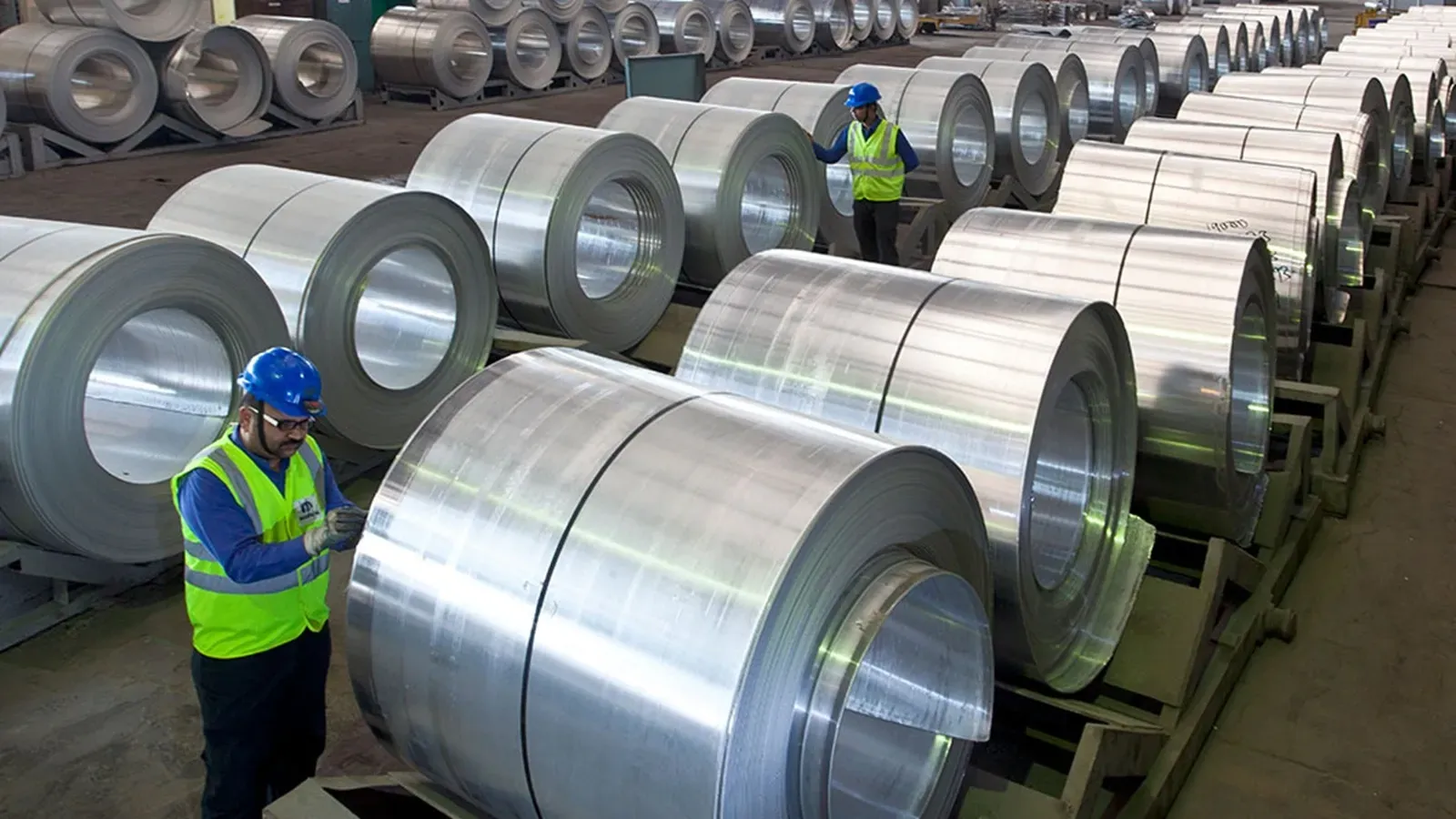
Aluminium is a lightweight, durable, and highly versatile base metal widely used across industries such as construction, transportation, packaging, electrical equipment and consumer goods. It is valued for its corrosion resistance, conductivity, and recyclability, making it one of the most traded industrial metals globally.
In India, aluminium demand continues to grow due to infrastructure development, electric vehicles, renewable energy projects, and manufacturing expansion.
Since aluminium prices fluctuate based on global demand, production costs, and economic conditions, many investors and traders participate in MCX aluminium trading to gain exposure to these price movements.
What is aluminium trading on MCX?
Aluminium trading refers to trading aluminium futures contracts on the Multi Commodity Exchange (MCX). They allow traders to buy or sell aluminium at a predetermined price on a future date.
Since aluminium futures derive their value from the underlying metal, traders can profit from both rising and falling markets without taking immediate physical delivery.
One lot of Standard aluminium Futures is 5,000 Kg (5 metric tonnes), and the tick size is ₹0.05 per kg. It means that for every ₹0.05 change, the profit and loss will be ₹250. This is calculated by multiplying the tick size by the lot size.
Aluminium Futures contracts on MCX are settled by physical delivery on the expiry date. However, traders can exit their positions before the expiry date to avoid physical settlement.
MCX aluminium Futures contracts generally expire on the last trading day of the contract month. Trading on the expiry date ceases at 5:00 PM IST for contracts subject to physical settlement, as per the applicable exchange settlement schedule.
Note: Expiry date and lot size details are subject to change as per MCX regulations and contract specifications. Check the latest contract details here or your broker's trading platform.
What are MCX aluminium Mini Futures?
MCX aluminium Mini Futures are smaller versions of the standard aluminium futures contract designed for retail traders and investors with limited capital. The aluminium Mini contract allows participants to trade aluminium with lower margin requirements and reduced financial exposure compared to the standard contract.
One lot of aluminium Mini Futures is 1,000 Kg (1 metric tonne), and the tick size is ₹0.05 per kg. It means that for every ₹0.05 change, the profit and loss will be ₹50. This is calculated by multiplying the tick size by the lot size.
It offers the same market benefits, pricing mechanism, and settlement process while making aluminium trading more accessible to beginners. Traders often use aluminium Mini contracts to test strategies, manage risk efficiently, and gradually gain experience in the commodity market.
Also Read: How to Trade in Aluminium Mini Contracts?
How Does MCX Aluminium Trading Work?
MCX aluminium trading involves buying and selling aluminium Futures contracts through a registered commodity broker. Traders open a commodity trading account, deposit the required margin, and place buy or sell orders based on their market expectations.
The aluminium price fluctuates continuously during market hours depending on global supply and demand, currency movements, inventory levels, and economic developments.
Traders can square off their positions before expiry or hold them until settlement as per the applicable exchange rules. Since futures trading is leveraged, participants need to manage risk carefully while monitoring price movements, technical indicators, and market news.
Contract Value Calculation of MCX Aluminium Futures
The contract value, or notional value, is the total financial worth of the contract, calculated by multiplying the lot size by the current market price.
The contract value of Standard aluminium Futures is usually higher due to the larger quantity per lot. Whereas the contract value of aluminium Mini Futures is lower and more affordable.
Example of contract value calculation:
- One lot of Standard aluminium Futures = 5,000 kg.
- One lot of aluminium Mini Futures = 1,000 kg.
- aluminium futures price = ₹339 per kg.
Therefore, the contract value for Standard aluminium Futures is 5,000 x 339 = ₹16,95,000. The contract value for aluminium Mini Futures is 1,000 x 339 = ₹3,39,000.
To enter a trade, a trader only needs to pay an initial margin, which is a small portion of the total contract value.
Margin Requirements to Trade Aluminium on MCX
To trade aluminium on MCX, margins are mostly around 9% to 11% of the total contract value. However, margins can increase during high-volatility periods. Specific margin amounts also vary depending on expiry month and daily price fluctuation.
Note: Margin requirements are determined in accordance with the exchange and regulatory framework set by the Multi Commodity Exchange, and may change to manage risk. Always refer to the latest margin requirements provided by your broker or MCX before placing a trade.
Let’s understand the margin requirements with an example:
Suppose the initial margin for Standard Aluminium Futures is 11%, and the contract value is ₹16,95,000.
Therefore, the initial margin amount the trader needs to enter the contract is 11% of ₹16,95,000 = ₹1,86,450.
The initial margin includes SPAN and Exposure margins, which are required to carry the position overnight. Additionally, traders must maintain sufficient free cash in their trading accounts to cover Mark-to-Market (MTM) losses if the price moves against their positions at the end of the trading day.
Factors Affecting MCX Aluminium Price
Here are the factors that affect the MCX aluminium price:
- Global Supply and Demand
Higher industrial demand or lower production significantly influences aluminium prices, causing fluctuations across international and domestic commodity markets worldwide.
- Mining and Production Levels
Disruptions in bauxite mining, alumina refining, or aluminium smelting can reduce aluminium supply, potentially pushing prices higher in domestic and international markets.
- Currency Exchange Rates
Since aluminium is globally priced in US dollars, fluctuations in the Indian rupee directly impact domestic aluminium MCX aluminium prices.
- Government Policies
Import duties, export restrictions, environmental regulations, and taxation policies significantly affect aluminium production costs and market pricing dynamics.
- Economic Growth
Infrastructure development, manufacturing expansion, automobile production, and construction activities increase aluminium demand, which may support higher prices across commodity exchanges, depending on market conditions.
How to Start Trading in MCX Aluminium?
To start trading in aluminium Futures on MCX, you need to open a commodity trading account and follow the steps below:
- Log in to the trading platform via the mobile application or website.
- Add funds to meet the initial margin requirements for futures trading.
- Search for aluminium Futures using the search tab.
- Choose Standard aluminium or aluminium Mini.
- Select the expiry.
- Conduct your own research before placing a trade.
- Place a buy order or a sell order based on your market view.
- Monitor the trade. If the trade moves against your position, make sure to keep sufficient funds in your trading account to meet MTM requirements.
- Manage risk by using a stop-loss, where appropriate.
- If the trade remains open till expiry, it may be subject to physical settlement in accordance with the applicable contract specifications. However, traders can close their positions before expiry during market hours.
Methods to Invest in Aluminium
Here are three common methods to invest in aluminium:
Aluminium ETFs
Aluminium Exchange Traded Funds (ETFs) provide indirect exposure to aluminium prices without requiring investors to participate directly in futures trading. These investment products are generally considered suitable for investors seeking commodity exposure with relatively lower operational complexity than futures trading.
Investors can buy and sell ETF units through stock exchanges just like shares, making them a convenient investment option.
Aluminium Mining Stocks
Investors can gain exposure to aluminium by purchasing shares of companies involved in aluminium mining, refining, and manufacturing. The performance of these companies often depends on aluminium prices, operational efficiency, production costs, and overall business profitability. Mining stocks may also provide dividend income along with capital appreciation opportunities.
Aluminium Futures
aluminium Futures offer direct participation in aluminium price movements through MCX. Traders can take long or short positions depending on their market outlook. Futures trading provides leverage, allowing participants to control larger contract values with relatively smaller margins.
However, it also involves higher risk and requires proper market knowledge, technical analysis, and disciplined risk management.
Aluminium Usage in Business Sectors
Aluminium is widely used in various business sectors, which helps maintain demand in global as well as domestic markets.
- Construction Industry
Construction companies use aluminium for windows, doors, roofing, facades, structural components, and insulation because it offers durability and corrosion resistance.
- Transportation
Automobile, railway, aerospace, and shipping industries extensively use aluminium to reduce vehicle weight, improve fuel efficiency, and enhance overall performance.
- Electrical Industry
Electrical manufacturers use aluminium in transmission cables, conductors, transformers, and power distribution systems due to its excellent electrical conductivity and affordability.
- Packaging Industry
Food and beverage companies use aluminium for cans, foil, containers, and packaging materials because it preserves freshness while remaining recyclable.
- Consumer Products
Aluminium is widely used in kitchen utensils, smartphones, laptops, furniture, appliances, and household products because of its lightweight properties and strength.
Benefits of Trading MCX aluminium
Here are the benefits of trading MCX aluminium futures:
- High Liquidity:
Active participation by traders and hedgers provides better liquidity, enabling smooth order execution with relatively narrow bid-ask spreads during market hours.
- Portfolio Diversification:
Adding MCX aluminium Futures to a trading or an investment portfolio may help reduce dependence on traditional asset classes such as equities and fixed-income investments.
- Leverage Opportunity:
Margin-based futures trading enables traders to control larger contract values while investing comparatively lower capital, increasing both potential returns and risks.
- Price Transparency:
MCX offers transparent price discovery through electronic trading, with prices determined by market participants based on prevailing demand and supply conditions.
- Hedging Against Price Risk:
Manufacturers, exporters, and importers use aluminium Futures to protect themselves from adverse aluminium price fluctuations that may affect business profitability.
- Opportunity in Both Market Directions:
Traders can profit from rising and falling aluminium prices by taking long or short positions, subject to market movements and associated risks.
Risks in Trading MCX aluminium
Here are the risks and challenges in trading MCX aluminium:
- High Price Volatility
Frequent aluminium price fluctuations may generate significant gains or losses within short periods, requiring disciplined trading and effective risk management practices.
- Leverage Risk
Margin trading amplifies profits but also increases potential losses, making careful position sizing essential for long-term trading success.
- Global Market Dependence
International economic developments, geopolitical tensions, and overseas supply disruptions can significantly influence domestic aluminium futures prices.
- Currency Risk
Movements in the US dollar and Indian rupee exchange rate directly affect aluminium pricing in India’s commodity market.
- Margin Calls
Adverse price movements may require traders to deposit additional margin funds to maintain open futures positions on MCX.
- Limited Market Knowledge
Trading without understanding contract specifications, technical analysis, and risk management strategies can lead to avoidable financial losses.
Who Should Invest in Aluminium?
Here are the types of traders who may consider trading or investing in aluminium-related products, depending on their objectives and risk tolerance.
- Commodity Traders
Active traders seeking short-term opportunities can participate in aluminium trading using technical analysis and market trends to identify profitable trades.
- Industrial Businesses
Manufacturers and companies using aluminium as raw material can hedge against future price fluctuations through aluminium futures contracts.
- Portfolio Diversification Investors
Investors seeking exposure beyond stocks and bonds may consider aluminium-related investments to diversify their portfolios.
- Experienced Futures Traders
Individuals familiar with leverage, margin requirements, and commodity markets can use aluminium futures to participate in aluminium price movements.
- Long-Term Commodity Investors
Investors with a positive long-term view on industrial growth and infrastructure development may consider aluminium-related investment avenues, depending on their investment objectives and risk profile.

MCX aluminium and aluminium Mini contracts provide flexible ways to participate in aluminium price movements based on different investment capacities and risk appetites.
Whether you are an individual exploring commodity trading or an experienced trader seeking exposure to industrial metals, understanding contract specifications, market fundamentals, and risk management is essential.
Monitoring global demand, production trends, energy prices, and currency movements can help traders make informed trading decisions. However, commodity futures involve significant risks, and participants should understand the contract specifications and associated obligations before trading.
With proper planning and disciplined execution, aluminium MCX can become a valuable addition to a diversified trading portfolio.
FAQs
What is MCX aluminium?
MCX aluminium is a futures contract traded on the Multi Commodity Exchange of India, allowing traders to buy or sell aluminium for future settlement.
What is the difference between aluminium and aluminium Mini?
The primary difference is contract size. Aluminium Mini has a smaller contract size and generally requires a lower margin, making it suitable for retail traders.
What affects the aluminium price?
The aluminium price is influenced by global demand, production levels, energy costs, currency exchange rates, government policies, and overall economic growth.
Can beginners trade MCX aluminium?
Yes. Beginners may choose aluminium Mini contracts because they require comparatively lower capital and provide manageable risk exposure.
Is aluminium trading suitable for long-term investing?
Aluminium futures are generally used for trading and hedging. Long-term investors may consider aluminium ETFs or aluminium mining stocks instead.
How can I start aluminium trading in India?
You need to open a commodity trading account with an MCX-registered broker, complete KYC formalities, deposit margin funds, and begin trading aluminium Futures on MCX.
About Author
Subhasish Mandal
Sub-Editor


A finance professional with strong expertise in stock market and personal finance writing, he excels at breaking down complex financial concepts into simple, actionable insights. Holding a Master’s degree in Commerce, he combines academic depth with practical knowledge of technical analysis and derivatives.
Read more from Subhasish














Upstox is a leading Indian financial services company that offers online trading and investment services in stocks, commodities, currencies, mutual funds, and more. Founded in 2009 and headquartered in Mumbai, Upstox is backed by prominent investors including Ratan Tata, Tiger Global, and Kalaari Capital. It operates under RKSV Securities and is registered with SEBI, NSE, BSE, and other regulatory bodies, ensuring secure and compliant trading experiences.
Related articles
Commodity Trading
Silver ETF Investment in India: A Detailed Guide For Investors13 min read | Written by Subhasish Mandal
Commodity Trading
What are Copper Futures on MCX and How Do They Work?12 min read | Written by Subhasish Mandal
Commodity Trading
What is Silver Trading on MCX: A Comprehensive Guide12 min read | Written by Subhasish Mandal

Commodity Trading
Natural Gas Futures Trading on MCX: A Guide for Beginners11 min read | Written by Subhasish Mandal



Commodity Trading
How Are Crude Oil Prices Determined? A Simple Guide For Beginners13 min read | Written by Bidita Sen
Commodity Trading
How Are Gold Prices Determined in India? A Complete Investor Guide17 min read | Written by Bidita Sen