Agricultural Commodity Trading In India: A Detailed Guide

Written by Subhasish Mandal
Published on July 09, 2026 | 12 min read

Key Takeaways:
-
Agricultural commodity trading refers to the buying and selling of agricultural commodities on commodity exchanges like NCDEX.
-
Agricultural commodity trading helps in price discovery of farm products based on demand and supply.
-
Major commodities traded on NCDEX include wheat, rice, pulses, chana, soybean, mustard seed, cotton, coffee, tea, etc.
-
Agricultural commodities traded on exchanges are available for trading from Monday to Friday, between 9:00 AM and 5:00 PM IST.
-
Contracts are settled either through physical delivery of commodities or cash settlement according to exchange contract specifications.
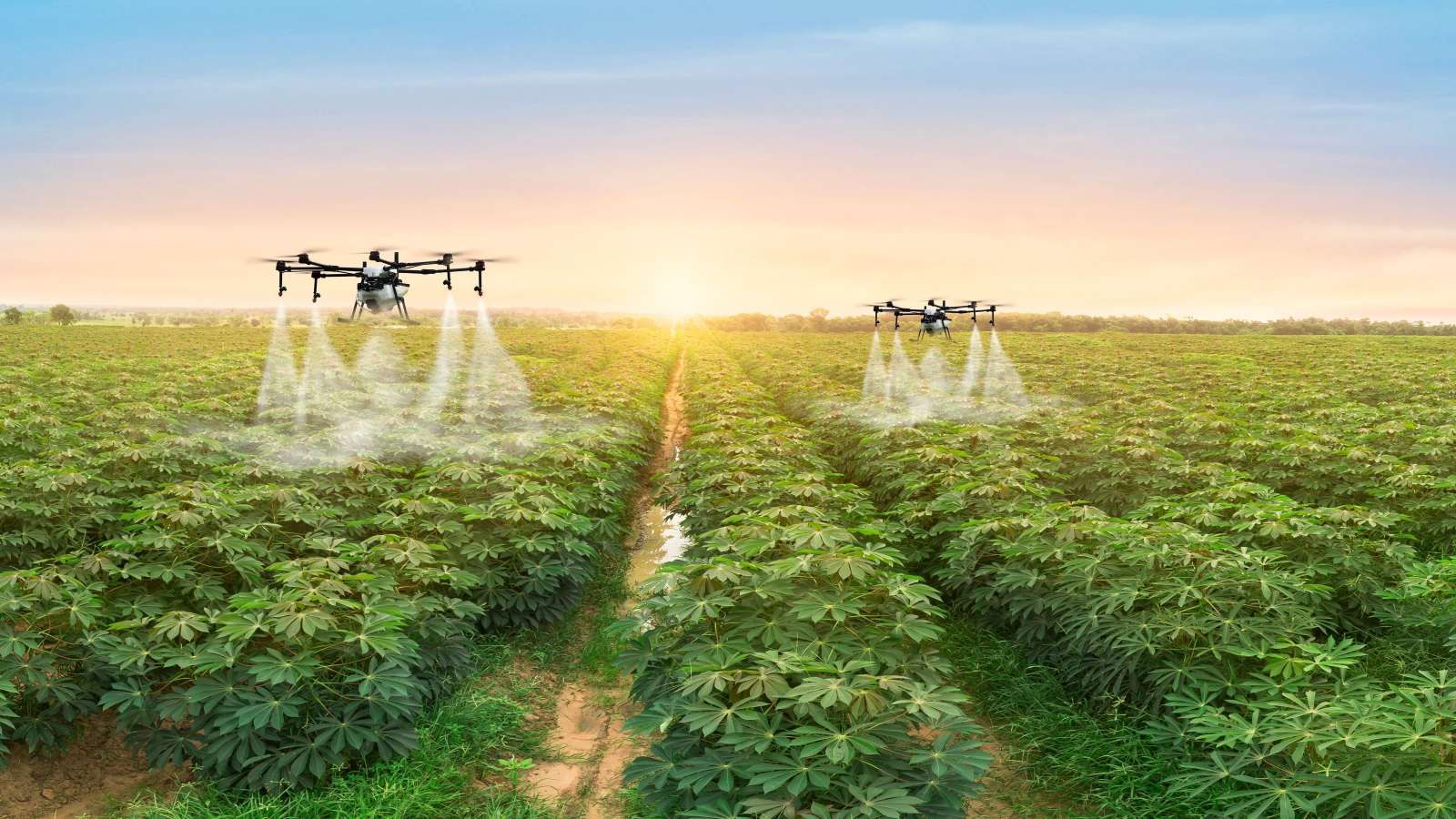
Agricultural commodity trading has become an important part of India’s farming economy. It connects farmers, traders, processors, exporters, and investors through organised exchanges where agricultural products are traded and price discovery takes place.
India is one of the world’s largest producers of cereals, pulses, spices, cotton, oilseeds, sugar, and several other farm products, making agricultural commodity trading an essential part of India's derivatives market.
With the growth of online trading platforms and SEBI-regulated exchanges like NCDEX, agri commodity trading has become increasingly accessible and efficient. Investors can now participate in commodity market trading without physically buying or storing commodities.
This article discusses what agricultural commodity trading is, how it works, exchange timings, factors affecting prices, trading strategies, risks, and benefits.
What are Agricultural Commodities?
Agricultural commodities are raw farm products that are produced through cultivation or farming and traded in domestic and international markets. These commodities serve as essential inputs for food processing, textile manufacturing, livestock feed, edible oil production, and various industrial applications.
Agricultural commodities have standardised quality specifications, enabling them to be traded efficiently on organised commodity exchanges. Some examples of agricultural commodities are cereals, pulses, spices, oilseeds, cotton, sugar, coffee, tea, guar seed, and castor seed.
The value of these commodities varies regularly with production levels, weather conditions, demand, exports, imports, and government policies.
What is Agricultural Commodity Trading?
Agricultural commodity trading refers to buying and selling agricultural products through regulated commodity exchanges or physical markets. These commodities include crops such as wheat, rice, cotton, soybean, mustard seed, turmeric, cumin, chana, and many others.
The primary objective of commodity trading is to facilitate price discovery, manage price risks, and provide an efficient marketplace for buyers and sellers. Traders can participate in both spot and futures markets depending on their investment objectives.
Agricultural commodity trading has become technology-driven, allowing participants to trade online through registered brokers and commodity exchanges such as NCDEX and MCX.
Also Read: Crude Oil Trading
How Does Agricultural Commodity Trading Work?
Here is how agricultural commodity trading works:
- Listing in Exchange:
Agricultural commodities are listed on regulated exchanges where standardised contracts allow transparent buying and selling among market participants.
- Trading Platforms:
Investors place buy or sell orders using SEBI-registered commodity brokers offering access to electronic commodity trading platforms.
- Price Discovery:
Commodity prices are determined through a continuous process, through market demand, supply conditions, trading volume, and overall participant expectations.
- Margin-Based Trading:
Futures trading requires traders to deposit only a percentage of the contract value as margin instead of making the full payment.
- Settlement Process:
Contracts are settled either through physical delivery of commodities or cash settlement according to exchange contract specifications.
Agricultural Commodity Exchanges in India
India has organised commodity exchanges that facilitate agricultural commodity trading under regulatory supervision.
National Commodity and Derivative Exchange (NCDEX)
NCDEX is India’s leading exchange dedicated primarily to agricultural commodities. It offers futures trading in various farm products including chana, soybean, mustard seed, turmeric, cumin, cotton, guar seed and several other agricultural commodities.
Multi-Commodity Exchange (MCX)
MCX is widely known for metals and energy commodities but may also list selected agricultural commodities as permitted under its prevailing product offerings.
These exchanges ensure standardised contracts, transparent trading, efficient settlement mechanisms, electronic trading platforms, and robust risk management systems.
Also Read: MCX vs NCDEX
Types of Agricultural Commodities Traded in India
Agricultural commodities traded in India are classified into different categories based on their nature and end use. These commodities are traded across regulated exchanges such as NCDEX and MCX, as well as in the physical market.
- Food Grains:
These include wheat, rice, maize, barley, jowar, and bajra, which are staple crops consumed across the country.
- Pulses:
These include chana, tur, urad, moong, and masoor, which are essential sources of protein and widely traded.
- Oilseeds:
These include soybean, mustard seed, groundnut, sunflower seed, castor seed, and sesame, which are used for edible oil production.
- Spices:
These include turmeric, cumin (jeera), coriander, black pepper, cardamom, and chilli, which have strong domestic and export demand.
- Commercial Crops:
These include cotton, sugarcane, guar seed, guar gum, tobacco, coffee, and tea, which are used in various industries and exports.
- Plantation Crops:
These include tea, coffee, rubber, and cocoa, which are cultivated in specific climatic regions and contribute significantly to India’s exports.
- Fibre Crops:
These include cotton and jute, which are important raw materials for the textile and packaging industries.
- Medicinal and Aromatic Crops:
These include mentha oil and various medicinal herbs used in pharmaceuticals, cosmetics, and healthcare products.
Contract Specifications of Agricultural Commodities
Every agricultural futures contract traded on commodity exchanges follows standardised contract specifications. These specifications ensure transparency, uniformity, and smooth trading for all market participants.
- Lot Size:
It refers to the fixed quantity of an agricultural commodity covered under one futures contract, helping standardise trading and settlement.
- Tick Size:
It represents the minimum price movement allowed for a commodity contract, determining the smallest possible change in its trading price.
- Margin Requirements:
Traders must deposit an initial margin, which is a percentage of the contract value, to open and maintain futures positions.
- Contract Expiry:
Every futures contract has a predetermined expiry date on which trading ends, and the contract is settled according to exchange rules.
- Quality Specifications:
Exchanges define standardised quality grades for each agricultural commodity to ensure consistency during trading and physical delivery.
- Delivery Unit and Location:
Contract specifications mention the approved delivery quantity and designated warehouse or delivery locations for physical settlement.
- Settlement Method:
Agricultural commodity contracts are settled either through physical delivery of the commodity or by cash settlement, depending on exchange regulations.
- Daily Price Limit:
Exchanges prescribe daily upper and lower price limits to control excessive volatility and maintain orderly trading conditions.
Agricultural Commodities: Spot Market Vs Futures Market
Here is the comparison between the spot market and the futures market:
| Basis | Spot Market | Futures Market |
|---|---|---|
| Delivery | Immediate | Future date |
| Payment | Full payment | Margin payment |
| Ownership | Physical commodity | Standardised futures contract |
| Purpose | Actual buying and selling | Hedging and speculation |
| Price | Current market price | Future expected price |
| Settlement | Immediate | Contract expiry |
How are Agricultural Commodity Prices Determined?
Agricultural commodity prices are determined through demand and supply dynamics. For exchange-traded agri commodity futures, prices are discovered through exchange trading.
However, exchange-traded commodity prices also reflect production estimates, weather conditions, crop quality, domestic consumption, exports, imports, government procurement, global commodity prices, transportation costs, storage availability, and market sentiment.
Commodity exchanges continuously discover prices through electronic trading where buyers and sellers interact in real time. Futures prices also reflect market expectations regarding future production, consumption, and macroeconomic developments.
Who Can Participate in Agricultural Commodity Trading?
Agricultural commodity trading is open to a wide range of participants, each with different objectives.
-
Farmers can participate in commodity trading to hedge against falling crop prices and secure better price realisation for their produce.
-
Traders and investors participate to profit from price movements through futures contracts.
-
Food processing companies, manufacturers, and exporters participate in agricultural commodity trading to manage raw material costs and reduce price volatility.
-
Importers participate to hedge against fluctuations in international commodity prices, while institutional investors and commodity funds may use agricultural commodity derivatives to diversify their portfolios.
Agricultural Commodity Market Timings In India
Agricultural commodity trading in India is open Monday to Friday, except on exchange-declared holidays.
| Commodity Category | Trading Timings (IST)* |
|---|---|
| Agricultural Commodities | 9:00 AM to 5:00 PM |
| Internationally Referenced Agricultural Commodities | 9:00 AM to 9:00 PM |
Note: Trading hours are subject to exchange specifications and regulatory notifications.
Also Read: Commodity Market Timings in India
Factors Affecting Agricultural Commodity Prices
Here are the common factors that affect agricultural commodity prices:
- Weather Conditions:
Monsoons, droughts, floods, and unseasonal rainfall directly affect crop production, influencing the supply and pricing of agricultural commodities.
- Demand and Supply:
Changes in domestic consumption, exports, imports, and overall production levels significantly impact agricultural commodity prices.
- Government Policies:
Minimum Support Price (MSP), export-import regulations, procurement policies, and subsidies can influence market prices and trading activity.
- Global Market Trends:
International commodity prices, geopolitical events, and global demand for agricultural products affect domestic commodity prices in India.
- Storage and Transportation:
Warehouse availability, logistics costs, supply chain disruptions, and transportation efficiency play an important role in determining commodity prices.
How to Start Agricultural Commodity Trading?
Here is the step-by-step process to start agricultural commodity trading:
-
Open a commodity trading account with a SEBI-registered stockbroker.
-
Make sure to activate the commodity derivatives (F&O) trading segment for the relevant exchanges, such as NCDEX and, where available, MCX.
-
Open the trading app or log in through the website.
-
Add funds to your trading account.
-
Search for the agricultural commodity you wish to trade.
-
Choose an agricultural commodity and conduct your own analysis.
-
Understand contract specifications and margin requirements.
-
Place a buy order at a limit price or market price.
-
Set a stop-loss for risk management.
-
Exit the position when the stop-loss is hit or when the target is achieved.
Popular Trading Strategies for Agricultural Commodities
Here are the most common trading strategies for agricultural commodities:
- Trend Following:
In the trend following trading strategy, traders identify long-term price direction using technical analysis and take positions in line with the prevailing market trend.
- Seasonal Trading:
In this strategy, traders utilise historical seasonal production and consumption trends to identify recurring commodity price movement opportunities.
- Spread Trading:
In spread trading, traders simultaneously buy and sell related contracts to benefit from changing price differences between commodities or expiries.
- Hedging Strategy:
Businesses protect themselves against adverse price movements by taking opposite positions in agricultural futures contracts.
- Breakout Trading:
Traders enter positions when commodity prices move beyond important support or resistance levels accompanied by higher trading volume.
Also Read: MCX Trading Strategies
Advantages of Agricultural Commodity Trading
Here are the advantages of agricultural commodity trading:
- Portfolio Diversification:
Agricultural commodities reduce dependence on traditional asset classes by adding exposure to a different market segment.
- Inflation Hedge:
Agricultural commodities may help preserve purchasing power during inflationary periods, as commodity prices often rise when inflation increases.
- Efficient Price Discovery:
Organised exchanges establish transparent market prices through continuous interaction between buyers and sellers.
- Risk Management Tool:
Futures contracts help farmers, exporters, processors, and traders manage commodity price risk through hedging.
Risk and Challenges in Agricultural Commodity Trading
Here are the risks and challenges in agricultural commodity trading:
- Price Volatility:
Agricultural commodity prices can fluctuate sharply because of weather changes, production uncertainty, and changing global market conditions.
- Leverage Risk:
Margin trading magnifies both profits and losses, increasing financial exposure if markets move against open positions.
- Policy Risk:
Government interventions, export restrictions, procurement decisions, and taxation changes may significantly impact commodity prices.
- Liquidity Risk:
Certain agricultural contracts may experience lower trading activity, making timely entry or exit more difficult.
- Weather Dependency:
Natural disasters, droughts, floods, and poor monsoons can rapidly alter agricultural production and commodity market prices.
Common Mistakes to Avoid in Trading
Here are the common mistakes that every trader should avoid:
- Trading Without Proper Research:
Entering trades without analysing weather conditions, crop production, demand, and market trends can increase the risk of losses.
- Ignoring Risk Management:
Failing to use stop-loss orders and proper position sizing can expose traders to significant financial losses during volatile markets.
- Overtrading:
Taking too many positions or trading frequently without a clear strategy often leads to unnecessary losses and higher transaction costs.
- Ignoring Contract Specifications:
Not understanding lot size, margin requirements, expiry dates, and settlement methods can result in costly trading mistakes.
- Following Rumours:
Making trading decisions based on speculation or unverified information instead of research and analysis can lead to poor trading outcomes.

Conclusion
Agricultural commodity trading in India has evolved significantly due to the transparent and regulated trading infrastructure provided by the commodity exchanges and brokers.
It enables farmers, traders, processors, exporters, and investors to efficiently manage commodity price risks while facilitating transparent price discovery.
However, successful commodity trading requires market knowledge, disciplined risk management, an understanding of contract specifications, and continuous monitoring of domestic and global agricultural developments.
Whether the objective is hedging, diversification, or speculative trading, agricultural commodity trading remains an integral component of India’s growing commodity derivatives market.
FAQs
What is Agricultural Commodity Trading?
Agricultural commodity trading is the buying and selling of farm products through regulated commodity exchanges using spot or futures contracts.
Which is the leading agricultural commodity exchange in India?
NCDEX is the leading exchange specialising in agricultural commodities and offers futures contracts across multiple farm products.
Can beginners participate in agri-commodity trading?
Yes. Beginners can start agri-commodity trading by opening a commodity trading account with a SEBI-registered broker and learning market fundamentals.
What is the difference between spot and futures trading?
Spot trading involves immediate delivery of commodities, while futures trading involves standardised contracts settled at a future date.
Is Agricultural Commodity Trading risky?
Yes. Like all financial markets, commodity trading involves risks due to price volatility, leverage, weather conditions, government policies, and market demand fluctuations.
About Author
Subhasish Mandal
Sub-Editor


A finance professional with strong expertise in stock market and personal finance writing, he excels at breaking down complex financial concepts into simple, actionable insights. Holding a Master’s degree in Commerce, he combines academic depth with practical knowledge of technical analysis and derivatives.
Read more from Subhasish


















Upstox is a leading Indian financial services company that offers online trading and investment services in stocks, commodities, currencies, mutual funds, and more. Founded in 2009 and headquartered in Mumbai, Upstox is backed by prominent investors including Ratan Tata, Tiger Global, and Kalaari Capital. It operates under RKSV Securities and is registered with SEBI, NSE, BSE, and other regulatory bodies, ensuring secure and compliant trading experiences.
Related articles
Commodity Trading
What is Aluminium Trading on MCX and How Does it Work?12 min read | Written by Subhasish Mandal
Commodity Trading
Silver ETF Investment in India: A Detailed Guide For Investors13 min read | Written by Subhasish Mandal
Commodity Trading
What are Copper Futures on MCX and How Do They Work?12 min read | Written by Subhasish Mandal

Commodity Trading
What is Silver Trading on MCX: A Comprehensive Guide12 min read | Written by Subhasish Mandal

Commodity Trading
Natural Gas Futures Trading on MCX: A Guide for Beginners11 min read | Written by Subhasish Mandal


Commodity Trading
How Are Crude Oil Prices Determined? A Simple Guide For Beginners13 min read | Written by Bidita Sen
Commodity Trading
How Are Gold Prices Determined in India? A Complete Investor Guide17 min read | Written by Bidita Sen