What is Ethanol Blended Petrol? E10, E20, E85 fuel

Written by Subhasish Mandal
Published on June 09, 2026 | 6 min read

Key Takeaways:
-
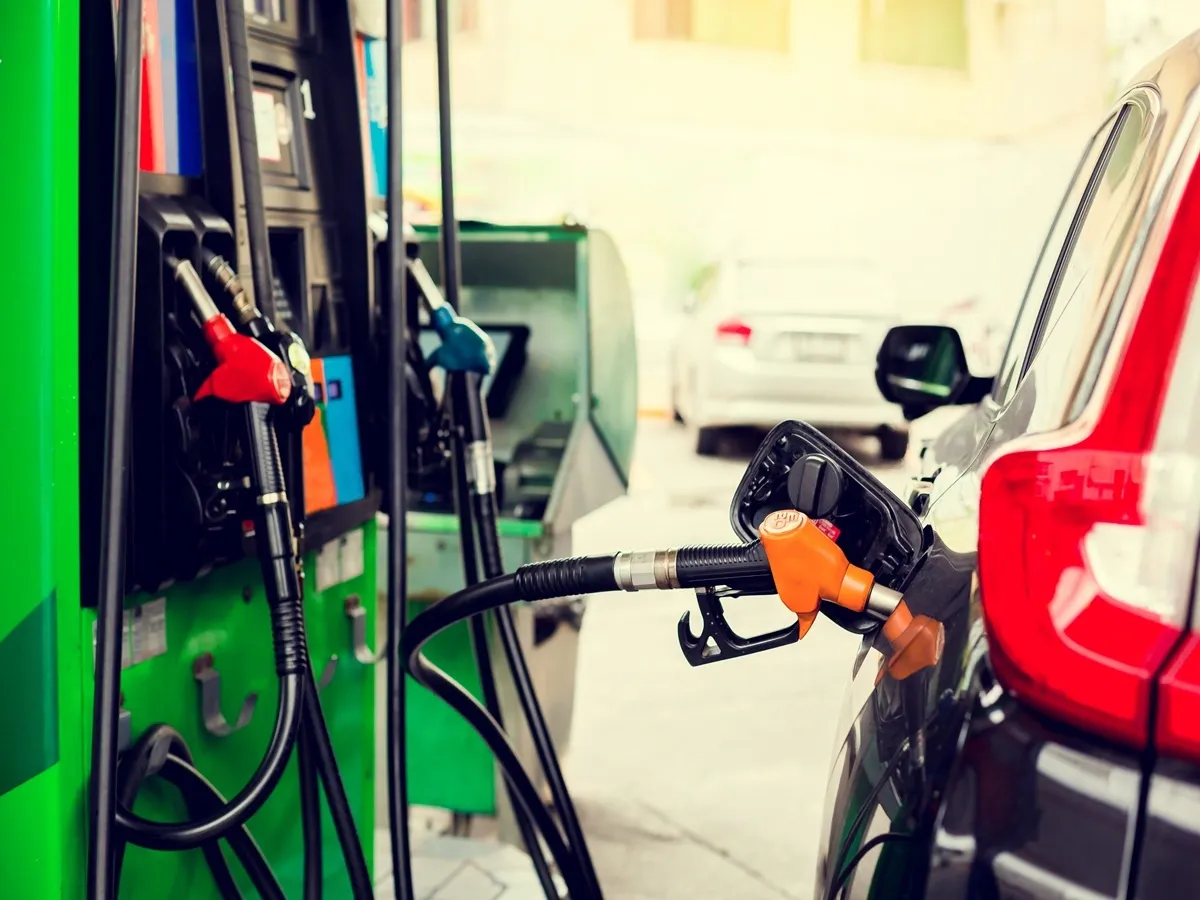
Ethanol-blended petrol is a type of fuel that contains a mixture of ethanol and conventional petrol.
-
There are three types of ethanol-blended fuel available in India: E10 fuel, E20 fuel and E85 fuel.
-
E20 petrol is a type of ethanol-blended fuel that contains 20% ethanol and 80% conventional petrol.
-
The Indian government is promoting ethanol-blended petrol to reduce dependence on imported crude oil and lower carbon emissions.
India is gradually shifting towards cleaner and more sustainable fuel alternatives to reduce its dependence on imported crude oil. One of the most important initiatives in this direction is the adoption of ethanol-blended petrol.
The Indian government has introduced different blending levels, such as E10 and E20 petrol, to lower emissions, support farmers, and improve energy security. With the increasing use of ethanol-blended fuels, it’s important to understand their types, differences, advantages and disadvantages.
What is Ethanol Blended Petrol?
Ethanol-blended petrol is a fuel mixture that combines petrol with ethanol, a renewable biofuel produced mainly from sugarcane, corn, maize, and agricultural residues. The percentage of ethanol in the fuel determines its classification.
For example, E10 petrol contains 10% Ethanol and 90% petrol, while E20 petrol contains 20% Ethanol and 80% petrol. The primary objective of ethanol blending is to reduce dependence on imported crude oil, lower carbon emissions, and promote the use of sustainable energy sources.
India has been steadily expanding its ethanol blending programme and has already achieved significant milestones in the transition from conventional petrol to cleaner fuel alternatives.
Also Read: Why Does the Rupee Fall, When Crude Oil Price Rise?
Types of Ethanol Blended Petrol in India
In India, ethanol-blended petrol is classified into three types. E10, E20 and E85. Each type is discussed in detail below.
E10 Petrol
E10 petrol contains 10% of ethanol and 90% of conventional petrol. It is one of the most commonly used ethanol-blended petrol variants worldwide. Most modern vehicles can run on E10 petrol without requiring any engine modifications, making it a practical and widely accepted fuel option.
E20 Petrol
E20 petrol contains 20% of ethanol and 80% of petrol. This fuel is a key component of India’s Ethanol blending roadmap. Many automobile manufacturers have introduced E20 fuel-compatible vehicles. E20 petrol helps reduce crude oil imports, lowers harmful vehicle emissions and supports environmental sustainability.
E85 Petrol
E85 petrol contains up to 85% of ethanol and 15% petrol. It is mainly used in flex-fuel vehicles specifically designed to operate high ethanol concentrations. E85 petrol offers significant emission reductions but requires specialised engines and fuel system components to ensure optimal performance and durability.
Also Read: What is Crude Oil Trading?
How Does Ethanol Blended Petrol Affect Your Vehicle?
The impact of ethanol-blended petrol on vehicles depends on the blend percentage and the vehicle’s compatibility.
Modern vehicles manufactured according to recent standards are generally designed to handle E10 petrol without any issues. Vehicles approved for E20 petrol can also operate efficiently using E20 fuel.
However, ethanol contains less energy per litre than conventional petrol. As a result, fuel efficiency may decline slightly with higher ethanol blends. Older vehicles that are not designed for high ethanol concentrations may experience deterioration of rubber seals, fuel lines, and certain engine components over time.
Is Ethanol-Blended Petrol Good?
Ethanol-blended petrol offers several environmental and economic benefits. It helps reduce greenhouse gas emissions, decreases dependence on imported crude oil, and supports India’s agricultural sector by creating additional demand for sugarcane and other feedstocks.
Although a slight reduction in mileage may occur with higher blends, compatible vehicles can use E20 petrol efficiently without a significant impact on performance.
Ethanol-Blended vs Normal Petrol
Here is the difference between ethanol-blended and normal petrol:
| Feature | Ethanol Blended Petrol | Normal Petrol |
|---|---|---|
| Composition | Petrol mixed with Ethanol | Pure petroleum-based fuel |
| Renewable Content | Contains renewable biofuel | No renewable component |
| Carbon Emissions | Lower emissions | Higher emissions |
| Crude Oil Dependency | Reduces crude oil imports | Fully dependent on crude oil |
| Fuel Efficiency | Slightly lower with higher blends | Generally higher |
| Environmental Impact | More eco-friendly | Greater environmental impact |
| Agricultural Support | Benefits farmers and the biofuel industry | No direct agricultural support |
| Vehicle Compatibility | Requires compatible engines for higher blends | Compatible with all petrol vehicles |
Advantages of Ethanol Blended Petrol
Here are the benefits of ethanol-blended petrol:
- Reduced Crude Oil Imports:
India imports a large portion of its crude oil requirements. Ethanol blending decreases import dependence and improves energy security significantly.
- Lower Carbon Emissions:
Ethanol burns cleaner than conventional petrol, helping reduce greenhouse gas emissions and contributing to improved air quality nationwide.
- Support for Farmers:
Increased ethanol production creates additional demand for agricultural products, generating higher income opportunities for farmers across India.
- Renewable Energy Source:
Unlike fossil fuels, ethanol is produced from renewable agricultural resources, making it a sustainable long-term fuel solution.
- Improved Energy Security:
Domestic ethanol production reduces exposure to global crude oil price fluctuations and supply chain disruptions.
- Economic Savings:
Lower crude oil imports help conserve foreign exchange reserves and strengthen the country’s overall economic stability.
- Better Combustion:
Ethanol contains oxygen, which improves combustion efficiency and helps reduce certain harmful exhaust emissions from vehicles.
- Promotion of Biofuel Industry:
The ethanol blending programme encourages investment in biofuel infrastructure and supports the development of green energy technologies.
Disadvantages of Ethanol Blended Petrol
Here are the disadvantages of ethanol-blended petrol:
- Vehicle Compatibility Issues:
Older vehicles may not be designed for higher ethanol concentrations and could experience component wear over time.
- Infrastructure Requirements:
Expanding ethanol blending requires significant investment in storage facilities, transportation networks, and fuel distribution infrastructure.
- Seasonal Feedstock Dependency:
Ethanol production depends on agricultural output, which can be affected by weather conditions and crop availability.
- Engine Material Concerns:
High ethanol blends may affect certain rubber, plastic, and metal components in incompatible vehicles.
- Initial Transition Costs:
Automobile manufacturers and fuel suppliers may incur additional costs when adapting systems for higher ethanol blends.
Why is the Government Promoting Ethanol-Blended Petrol?
The government is promoting ethanol-blended petrol to reduce India’s dependence on imported crude oil, improve energy security and lower carbon emissions.
This initiative also supports farmers by creating additional demand for agricultural products used in ethanol production. Through the adoption of E10 petrol and E20 petrol, India aims to achieve cleaner transportation, economic savings, and long-term environmental sustainability while strengthening domestic biofuel production.

Conclusion
Ethanol-blended petrol is playing an important role in India’s energy transition strategy. The growing adoption of E10 petrol and E20 petrol reflects the country’s commitment to reducing crude oil dependence, lowering emissions and supporting sustainable development.
As infrastructure and technology continue to improve, ethanol-blended petrol, including E20 fuel, is expected to make India more self-reliant in the energy space.
About Author
Subhasish Mandal
Sub-Editor


A finance professional with strong expertise in stock market and personal finance writing, he excels at breaking down complex financial concepts into simple, actionable insights. Holding a Master’s degree in Commerce, he combines academic depth with practical knowledge of technical analysis and derivatives.
Read more from Subhasish





















Upstox is a leading Indian financial services company that offers online trading and investment services in stocks, commodities, currencies, mutual funds, and more. Founded in 2009 and headquartered in Mumbai, Upstox is backed by prominent investors including Ratan Tata, Tiger Global, and Kalaari Capital. It operates under RKSV Securities and is registered with SEBI, NSE, BSE, and other regulatory bodies, ensuring secure and compliant trading experiences.
Related articles
Commodity Trading
What is Aluminium Trading on MCX and How Does it Work?12 min read | Written by Subhasish Mandal
Commodity Trading
Silver ETF Investment in India: A Detailed Guide For Investors13 min read | Written by Subhasish Mandal
Commodity Trading
What are Copper Futures on MCX and How Do They Work?12 min read | Written by Subhasish Mandal

Commodity Trading
What is Silver Trading on MCX: A Comprehensive Guide12 min read | Written by Subhasish Mandal

Commodity Trading
Natural Gas Futures Trading on MCX: A Guide for Beginners11 min read | Written by Subhasish Mandal



Commodity Trading
How Are Crude Oil Prices Determined? A Simple Guide For Beginners13 min read | Written by Bidita Sen