What are DVR Shares and Why Do Companies Issue Them?

Written by Subhasish Mandal
Published on November 04, 2026 | 7 min read

Key Takeaways:
-
Differential Voting Rights (DVR) shares are a type of equity shares but with lower voting rights than ordinary shares.
-
Ordinary shares always have higher voting rights but get lower dividends.
-
DVR stocks offer higher dividends because of their lower voting rights.
-
DVR shares are priced lower compared to ordinary shares, as they are often sold at a discount.
Investors in the Indian share market participate in companies' growth in several ways; one way is by investing directly in equity shares. This is one of the most common ways because ordinary equity shares give shareholders full voting rights and other benefits.
However, not all equity shares are the same or provide full voting rights. Differential Voting Rights (DVR) shares are a type of equity share that offer shareholders fewer voting rights than ordinary shares.
Companies issue DVR shares to raise fresh capital without losing control over decision-making. To compensate DVR shareholders, companies may pay higher dividends than on ordinary shares.
This article discusses what DVR shares are, why companies issue them, their eligibility criteria, how they work, and their advantages and limitations.
What are DVR Shares?
DVR shares are a special type of equity share that carry lower voting rights than ordinary shares. In short, they come with diluted voting rights, but they give you legal ownership of the company and a claim on its profits.
These shares allow companies to raise capital from the public while maintaining a specific ownership and control structure.
DVR shares may suit investors who prioritise financial participation in a company's growth over extensive voting power.
Example of DVR Shares
A company may issue ordinary shares carrying one vote per share and DVR shares carrying one vote for every ten shares. In such a case, investors holding DVR shares have a smaller influence on corporate decisions despite owning shares in the company.
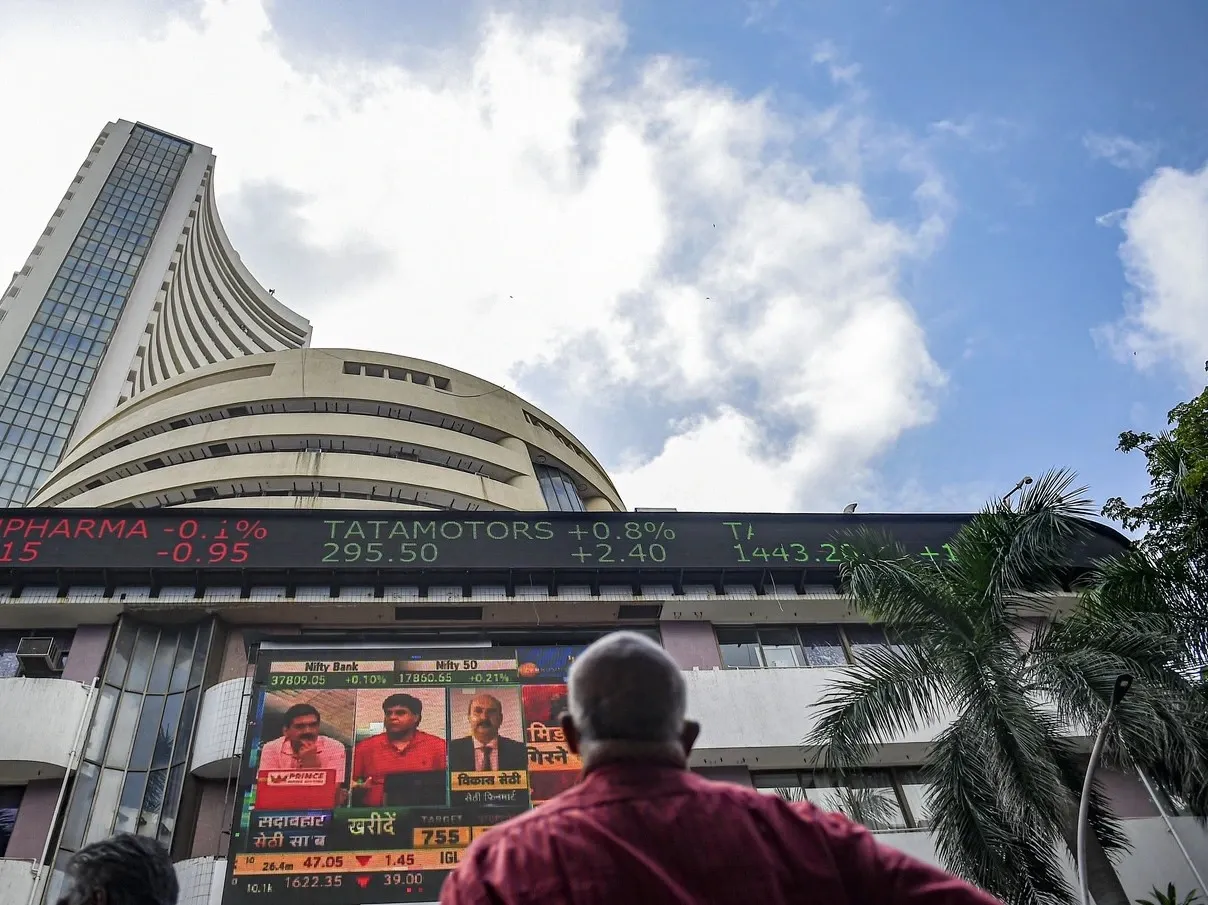
Tata Motors sold DVR shares in 2008, allowing investors to buy a piece of the company at a lower price. In Tata Motors DVR, each share had one-tenth of the voting rights of an ordinary share.
Also Read: Differences between DVR and Ordinary shares
Eligibility Criteria to Issue DVR Shares
In India, companies issuing DVR shares must comply with the Companies Act, 2013, and applicable rules and SEBI regulations.
The key eligibility conditions include the following:
- Authorisation in Articles:
The company's Articles of Association must authorise the issue of shares with differential rights before the company proceeds.
- Shareholder Approval:
The issue generally requires approval through an ordinary resolution passed by shareholders, subject to applicable rules.
- Dividend and Voting Rights:
The differential rights must be clearly specified, including voting power, dividend entitlement, and other applicable conditions.
- No Default in Filing:
The company must not have defaulted in filing financial statements or annual returns for the preceding three financial years.
- No Specified Defaults:
The company must satisfy applicable conditions relating to the repayment of deposits, debentures, preference shares, and statutory dues.
- Regulatory Compliance:
Listed companies must comply with relevant SEBI regulations, stock exchange requirements, and disclosure obligations.
- Issue Conditions:
The issue must comply with the prescribed limits and conditions under the Companies Act and applicable rules.
How do DVR Shares Work?
DVR shares work similarly to ordinary equity shares in terms of ownership, but their voting rights or dividend entitlements are structured differently.
- Voting Rights:
The company specifies the voting power attached to each DVR share, which may be lower or higher than that of ordinary shares.
- Dividend Entitlement:
DVR shares may offer different dividend rights, depending on the terms approved at the time of issue.
- Shareholder Ownership:
Investors holding DVR shares participate in the company's ownership and may benefit from business growth and capital appreciation.
- Trading and Valuation:
If listed, DVR shares can be traded on stock exchanges, with their price influenced by demand, liquidity, and their differential rights.
- Corporate Decisions:
DVR shareholders can participate in shareholder voting according to the rights attached to their share class.
Difference Between DVR Shares and Ordinary Shares
Here are the main differences between DVR shares and ordinary shares:
| Basis of Difference | DVR Shares | Ordinary Shares |
|---|---|---|
| Voting Rights | Carry differential voting rights, which are usually lower. | Carry voting rights in proportion to paid-up equity capital. |
| Dividend Rights | May provide different dividend entitlements. | Usually follow the company’s standard dividend policy. |
| Ownership | Represents ownership in the issuing company. | Represents ownership in the issuing company. |
| Corporate Control | May provide limited voting influence. | Provide standard shareholder voting influence. |
| Investor Preference | Suitable for investors prioritising financial returns over voting power. | Suitable for investors seeking conventional ownership and voting rights. |
| Market Price | May trade at a discount or premium depending on demand and rights. | Serves as the primary price reference for the company’s equity. |
| Shareholder Benefits | May receive bonus shares and rights shares, subject to applicable terms. | Receive shareholder benefits attached to ordinary equity. |
Advantages of Investing in DVR Shares
Here are the various advantages of investing in DVR shares:
- Price Discount:
DVR shares may trade at a discount from ordinary shares, giving investors the chance to gain exposure to the same company at a lower price.
- Participation in Growth:
Investors can benefit from business expansion, earnings growth, and capital appreciation without requiring extensive voting rights.
- Dividend Benefits:
Certain DVR share structures may offer preferential dividend entitlements, potentially improving income for eligible shareholders. (T&C apply)
- Portfolio Diversification:
DVR shares offer an alternative way to invest in companies while balancing ownership rights and financial benefits.
- Long-Term Investment Potential:
Investors who believe in a company's fundamentals may consider DVR shares for long-term wealth creation.
Disadvantages of Investing in DVR Shares
Here are some limitations of investing in DVR shares:
- Reduced Voting Power:
Lower voting rights limit investors' influence over important corporate decisions, including board appointments and other shareholder resolutions.
- Liquidity Risk:
DVR shares may have lower trading volumes than ordinary shares, making it difficult to buy or sell large quantities at desired prices.
- Valuation Uncertainty:
The discount between DVR and ordinary shares may persist for extended periods, limiting potential gains from price convergence.
- Corporate Governance Concerns:
Differential voting structures may allow promoters to retain significant control despite holding a smaller economic ownership stake.
- Limited Availability:
DVR shares are not widely available across the Indian share market, reducing investment choices for retail investors.
Regulatory Framework for DVR Shares in India
Under the Companies Share Capital and Debentures Rules, 2014, as amended, the voting power of shares with differential rights must not exceed 74% of the company's total voting power.
The 26% cap that existed before, with respect to post-issue paid-up equity share capital, along with the need to have a consistent record of distributable profits for the past three years, was removed through amendments introduced in 2019. Listed companies must also comply with applicable SEBI regulations.

A DVR share provides investors with legal ownership, but its voting rights or dividend entitlements may differ from those of an ordinary equity share. While these shares can offer potential valuation discounts and growth opportunities, investors must carefully evaluate liquidity, corporate governance, and the terms attached to the share class.
FAQs
What is a DVR Share?
DVR share is a type of equity share that offers limited or lower voting rights and provides less control over the company's decisions. The shareholders holding DVR stock do not participate in important company decisions.
How do DVR shares differ from ordinary shares?
DVR shares have fewer voting rights and may trade at a discount compared to ordinary shares. Ordinary shares come with full voting rights and have participation in the company's important decisions.
Why do companies issue DVR shares?
Companies issue DVR shares to raise funds from the public while keeping control in their own hands. It allows promoters to bring fresh capital without losing decision-making power.
About Author
Subhasish Mandal
Sub-Editor


A finance professional with strong expertise in stock market and personal finance writing, he excels at breaking down complex financial concepts into simple, actionable insights. Holding a Master’s degree in Commerce, he combines academic depth with practical knowledge of technical analysis and derivatives.
Read more from Subhasish




















Upstox is a leading Indian financial services company that offers online trading and investment services in stocks, commodities, currencies, mutual funds, and more. Founded in 2009 and headquartered in Mumbai, Upstox is backed by prominent investors including Ratan Tata, Tiger Global, and Kalaari Capital. It operates under RKSV Securities and is registered with SEBI, NSE, BSE, and other regulatory bodies, ensuring secure and compliant trading experiences.
Related articles

Share Market
Ready-Made or DIY Screener? Two Ways to Explore the Market5 min read | Written by Sachin Gupta

Share Market
Understanding Markets in Real Time: Inside Live Market Analysis Sessions4 min read | Written by Sachin Gupta

Share Market
Why Market Buzz Fails and How to Track Real Stock Signals?9 min read | Written by Bidita Sen

Share Market
What Is a Market Correction? Meaning, Causes, and Strategy15 min read | Written by Bidita Sen

Share Market
Cyclical vs Defensive Stocks: Differences, Examples and Strategy15 min read | Written by Bidita Sen

Share Market
What is Efficiency Ratio: Meaning, Types, Formula and More12 min read | Written by Sachin Gupta

Share Market
What is a Solvency Ratio: Meaning, Types, Benefits, Limitations and More12 min read | Written by Sachin Gupta
Share Market
Profitability Ratios: Meaning, Formula, Benefits, Limitations and More11 min read | Written by Sachin Gupta