What are Current Assets: Meaning, Examples, and How to Calculate

Written by Mariyam Sara
Published on January 04, 2023 | 2 min read


Have you ever seen a company’s balance sheet? It consists of two main components called Assets and Liabilities. Assets are what the company owns, and liabilities are what it owes. These assets and liabilities are further categorised into ‘current’ and ‘fixed’.
In this blog, you will learn what current assets are, components of current assets and how it's calculated.
What are current assets?
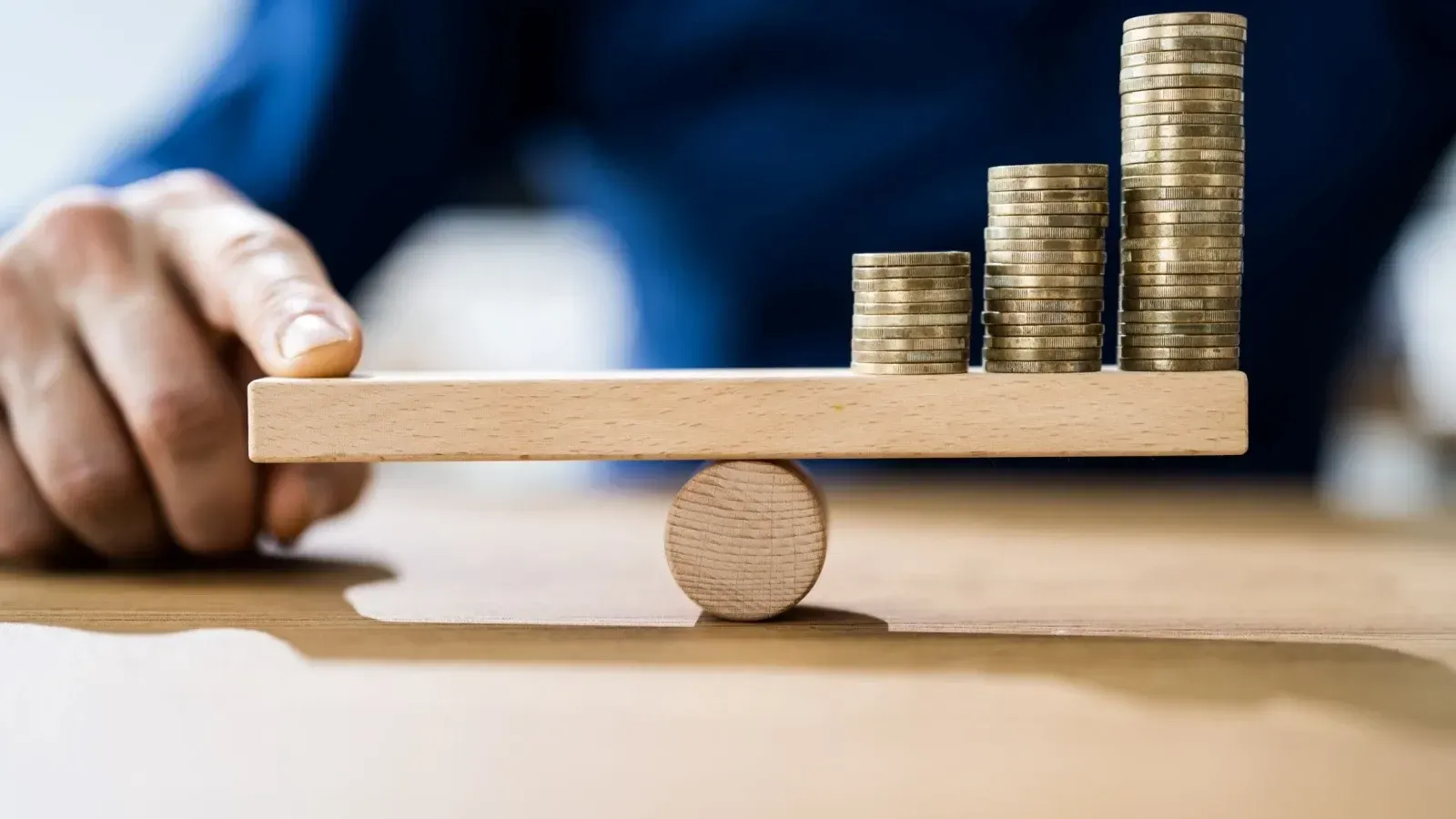
Current assets are assets that can be easily converted into cash in a fiscal year. They are temporary resources that a company can use in its business operations for a year. The benefits of these assets can be enjoyed only in the current fiscal year, hence they are called ‘Current assets’.
Components of current assets
The following are the components that fall under current assets,
Cash & Cash equivalents
Cash & cash equivalents like petty cash, cash-in-hand, and cash-at-bank are already liquid assets, hence are considered current assets.
Inventory
Inventory like raw materials, semi-finished and finished goods that a company holds, is considered current assets. These goods cannot be easily converted to cash, as they have to be sold or processed to be sold. Due to this, when calculating the quick ratio, inventory is deducted from the current assets.
Accounts receivable
Accounts receivable are the money that the company has yet to receive from customers for goods delivered. This amount should be receivable in the same fiscal year to be considered a current asset.
Prepaid expenses
Prepaid expenses, like paid in advance the benefit of which will be received in the future. These cannot be considered in cash, but since they are prepaid expenses, they are added under the current assets of a company.
How to calculate current assets?
The formula for current assets is pretty simple,
Current assets = Cash & cash equivalents + Inventory + Accounts receivable + Prepaid expenses + Stock & Bonds owned by the company + Other Liquid Assets.
For example, Company A has the following have the following assets,
₹4,00,000 in Cash & Cash equivalents
₹2,00,000 in Prepaid expenses
₹1,00,000 in Inventory
₹5,00,000 marketable securities
₹1,00,000 in accounts receivable
₹2,00,000 in other liquid assets.
Now substitute the figures in the formula,
Current Assets = ₹(4,00,000 + 2,00,000 + 1,00,000 + 5,00,000 + 1,00,000 + 2,00,000)
Current Assets of Company A = ₹15,00,000.
Why must companies maintain current assets?
The following are the reasons why companies must maintain adequate current assets,
Fund daily operations
Companies need to maintain their current assets, like cash & cash equivalents to fund their daily operations.
Manage the supply of goods
By maintaining inventory and necessary goods, the company can fulfil its customers’ demand promptly.
Pay short-term debt
Companies often have short-term liabilities; current assets should be maintained to repay these short-term obligations.
Fulfil unexpected cash outflows.
Companies have to maintain a healthy current asset to be able to endure any unexpected cash outflows or unfavourable economic conditions.

Having a healthy balance between assets and liabilities is key to managing a business’s finances. A company with low assets, whether current or fixed, can face difficulties in fulfilling its long and short-term liabilities.
An investor needs to understand all the components of a balance sheet to analyse a company’s financial performance and make informed investment decisions.
About Author
Mariyam Sara
Sub-Editor

holds an MBA in Finance and is a true Finance Fanatic. She writes extensively on all things finance whether it’s stock trading, personal finance, or insurance, chances are she’s covered it. When she’s not writing, she’s busy pursuing NISM certifications, experimenting with new baking recipes.
Read more from Mariyam













Upstox is a leading Indian financial services company that offers online trading and investment services in stocks, commodities, currencies, mutual funds, and more. Founded in 2009 and headquartered in Mumbai, Upstox is backed by prominent investors including Ratan Tata, Tiger Global, and Kalaari Capital. It operates under RKSV Securities and is registered with SEBI, NSE, BSE, and other regulatory bodies, ensuring secure and compliant trading experiences.
Related articles

Share Market
What Is a Market Correction? Meaning, Causes, and Strategy15 min read | Written by Bidita Sen

Share Market
Cyclical vs Defensive Stocks: Differences, Examples and Strategy15 min read | Written by Bidita Sen
Share Market
What is Efficiency Ratio: Meaning, Types, Formula and More12 min read | Written by Sachin Gupta

Share Market
What is a Solvency Ratio: Meaning, Types, Benefits, Limitations and More12 min read | Written by Sachin Gupta
Share Market
Profitability Ratios: Meaning, Formula, Benefits, Limitations and More11 min read | Written by Sachin Gupta
Share Market
A Guide to American Depository Receipts (ADR) for Indian Investors13 min read | Written by Subhasish Mandal