Rupee Appreciation and Depreciation: Impact on Stock Market

Written by Mariyam Sara
Published on May 16, 2023 | 5 min read
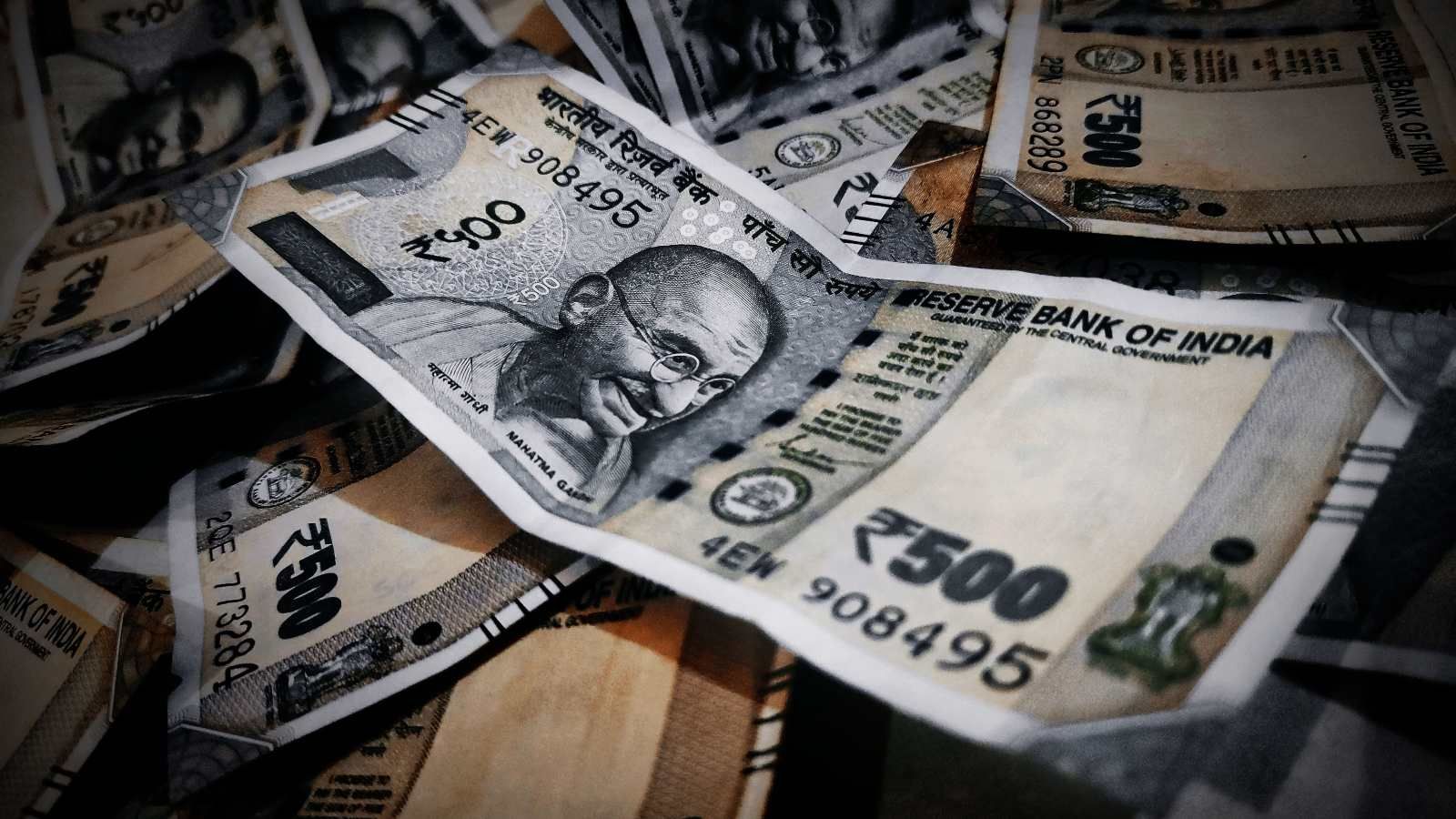

Key Takeaways
-
Rupee appreciation means the rupee becomes stronger, while depreciation means it becomes weaker against other currencies.
-
A stronger rupee can reduce the rupee value of exporters’ foreign-currency earnings but lower import costs.
-
A weaker rupee can help exporters but increase costs for companies that depend on imports.
-
Currency movements can affect sectors differently, depending on how much they rely on imports or exports.
The value of the Indian rupee keeps changing against other currencies, especially the US dollar. These changes are known as rupee appreciation and depreciation. They can affect businesses, imports, exports and the Indian stock market. But what causes the rupee to become stronger or weaker? How do these changes affect companies, different sectors and stock prices?
Let's understand what rupee appreciation and depreciation mean, how they affect the Indian stock market and what investors should keep in mind.
Understanding Rupee Appreciation and Depreciation
Before we delve into their impact on the stock market, let's clarify what rupee appreciation and depreciation mean:
Rupee Appreciation
Rupee appreciation occurs when the Indian currency becomes stronger against another currency, such as the US dollar. When the rupee appreciates against the US dollar, one US dollar can be exchanged for fewer rupees.
Rupee appreciation may happen due to higher foreign investment, strong economic growth, increased demand for the rupee and other changes in the foreign exchange market.
Rupee Depreciation
Rupee depreciation occurs when the rupee becomes weaker against another currency. When the rupee depreciates against the US dollar, one US dollar can be exchanged for more rupees. This may happen due to a trade deficit, high inflation, lower foreign investment or uncertainty in global markets.
Impact of Rupee Appreciation On The Stock Market
Rupee appreciation can affect sectors and investors in different ways.
Export-oriented Sectors
A stronger rupee can affect export-based sectors such as IT and pharmaceuticals. Many companies in these sectors earn a large part of their revenue in foreign currencies. When the rupee appreciates against those currencies, their foreign earnings are worth less when converted into rupees. This can reduce their profits and may affect their share prices.
Reduced Import Costs
Rupee appreciation may result in lower import costs, which can benefit companies dependent on imported raw materials. This, in turn, can lead to improved profit margins and support stock prices in sectors like manufacturing and heavy industries.
Foreign Portfolio Investors (FPIs)
FPIs often invest in Indian stocks. A stronger rupee may increase foreign investors' returns when their investments are converted back into their home currency, if the rupee has appreciated against that currency. This may encourage foreign investment in Indian stocks. However, foreign investment also depends on company performance, market conditions and other economic factors.
Improved Market Sentiment
Rupee appreciation may reflect confidence in the Indian economy. This can improve market sentiment and encourage investment. However, a stronger rupee does not always mean that stock prices will rise. Investors tend to view a strong currency as a sign of economic stability, potentially boosting stock prices.
Impact Of Rupee Depreciation On The Stock Market
The following are some of the impacts of rupee depreciation on the stock market.
Export Sectors
Rupee depreciation can benefit export-based companies by making their goods and services cheaper for foreign buyers if prices are set in rupees or exporters pass on the currency benefit. It can also increase the rupee value of their foreign earnings. However, companies that depend on imported raw materials may face higher costs, which can reduce their profits.
Inflation Concerns
A rapidly falling rupee can increase the cost of imported goods and raw materials. This may lead to higher prices for consumers and reduce their spending power. As a result, companies in sectors such as consumer goods and retail may face higher costs and lower demand, which can affect their share prices.
Foreign Debt
Companies with significant foreign-currency debt can face challenges when the rupee depreciates. The cost of servicing that debt in rupee terms can increase if the rupee weakens against the currency in which the debt is denominated and the company has not fully hedged its exposure. This can affect profitability and weigh on share prices.
Speculative Pressure
Sharp currency movements may create uncertainty among investors and lead to more trading in the financial markets. This can sometimes increase stock market volatility.
Portfolio Diversification
Investors may seek to diversify their portfolios to include assets that are less affected by currency depreciation, potentially impacting stock market flows.

Rupee appreciation and depreciation are integral aspects of India's economic landscape and can significantly influence the stock market. Both rupee appreciation and depreciation have advantages and disadvantages. Their impact depends on the type of business, its import and export activities, and its foreign currency debt.
Investors should stay informed, diversify their portfolios, and consider various strategies to navigate the potential impact of currency fluctuations. Whether you view rupee movements as an opportunity or a risk, understanding their influence on the stock market is essential for making informed investment decisions and achieving your financial goals. Equally important is to have the knowledge of how companies earn revenue, pay for imports and service foreign-currency debt can help investors assess how rupee movements might affect their portfolios.
FAQs
What is rupee appreciation?
Rupee appreciation happens when the Indian rupee becomes stronger against another currency, such as the US dollar.
What is rupee depreciation?
Rupee depreciation against the US dollar happens when the Indian rupee becomes weaker against the dollar, meaning more rupees are needed to buy one US dollar.
How does rupee depreciation affect the stock market?
It can help export-based companies earn more in rupee terms but increase costs for companies that depend on imports. These changes can affect company profits and share prices.
About Author
Mariyam Sara
Sub-Editor

holds an MBA in Finance and is a true Finance Fanatic. She writes extensively on all things finance whether it’s stock trading, personal finance, or insurance, chances are she’s covered it. When she’s not writing, she’s busy pursuing NISM certifications, experimenting with new baking recipes.
Read more from Mariyam




















Upstox is a leading Indian financial services company that offers online trading and investment services in stocks, commodities, currencies, mutual funds, and more. Founded in 2009 and headquartered in Mumbai, Upstox is backed by prominent investors including Ratan Tata, Tiger Global, and Kalaari Capital. It operates under RKSV Securities and is registered with SEBI, NSE, BSE, and other regulatory bodies, ensuring secure and compliant trading experiences.
Related articles

Share Market
Partial Fill in Trading: Meaning, Causes and How to Manage It7 min read | Written by Subhasish Mandal


Share Market
What are DVR Shares and Why Do Companies Issue Them?7 min read | Written by Subhasish Mandal

Share Market
Ready-Made or DIY Screener? Two Ways to Explore the Market5 min read | Written by Sachin Gupta

Share Market
Understanding Markets in Real Time: Inside Live Market Analysis Sessions4 min read | Written by Sachin Gupta

Share Market
Why Market Buzz Fails and How to Track Real Stock Signals?9 min read | Written by Bidita Sen

Share Market
What Is a Market Correction? Meaning, Causes, and Strategy15 min read | Written by Bidita Sen