Power of Compounding in Mutual Funds & How Compounding Works in Mutual Funds

Written by Mariyam Sara
Published on March 17, 2023 | 5 min read

Key Takeaways
-
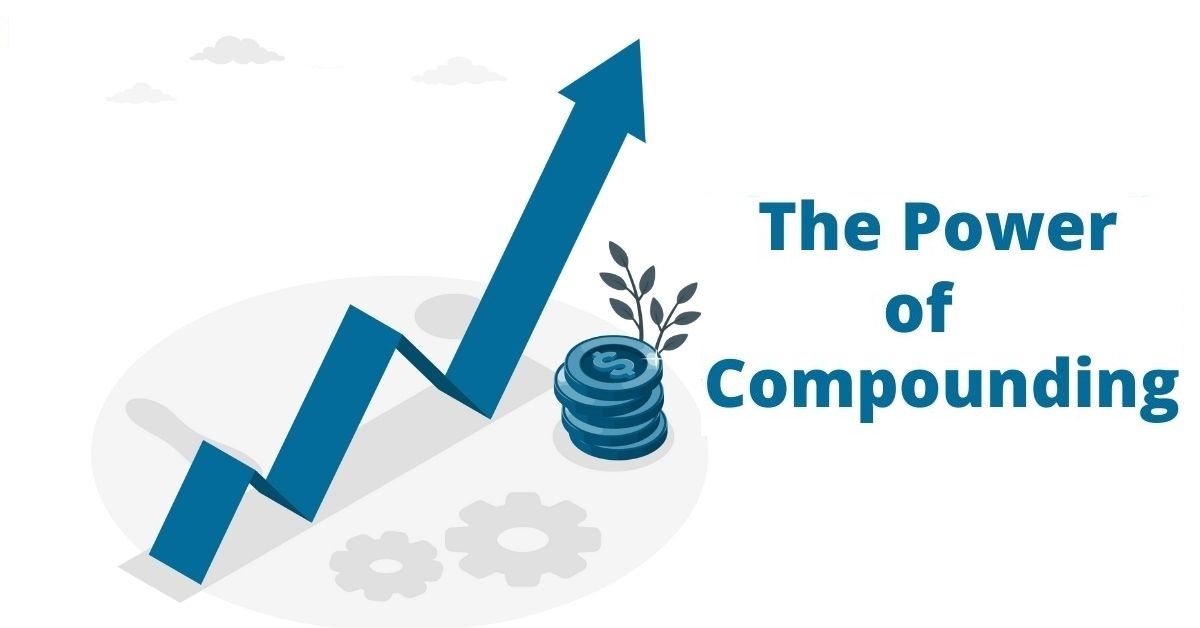
Compounding helps your money grow by earning returns on your original investment and on the returns accumulated over time.
-
Compounding works better over time, so starting early may help you grow your money.
-
Compound interest can help your money grow, but mutual fund returns are market-linked and not fixed or guaranteed.
-
Compounding and regular SIP investments can help you build wealth over time, depending on market performance.
Compounding is the process through which returns earned on an investment can generate further returns over time. Through compounding, the returns earned on your investment can grow over time. However, whether your total returns exceed your original investment depends on the investment's performance and how long you remain invested.
Starting early gives your investment more time to benefit from compounding. However, it does not guarantee better returns because mutual fund performance depends on market conditions.
What is Compounding?
Compounding means earning returns on your original investment as well as on the returns accumulated over time. In mutual funds, this happens through the growth in investment value when returns are retained and generate further gains. When you invest money and earn returns, compounding allows those accumulated returns to generate further returns over time. The compounding effect can become more noticeable over longer periods, although returns are not guaranteed.
For example, suppose you invest ₹50,000 in an investment that earns a fixed annual return of 8%. After one year, you would earn ₹4,000, bringing the total to ₹54,000. If the same 8% return applies in the next year and the earnings remain invested, you would earn ₹4,320 in the second year. Mutual funds, however, do not offer fixed or guaranteed annual returns.
Advantages of Compounding in Mutual Funds
The following are the advantages of compounding interest in mutual fund investments.
Grow Your Investment Value Over Time
Compounding lets your returns generate further returns as they stay invested. This can help your money grow over the long term, depending on market performance.
Encourages Disciplined Investing Through SIPs
An SIP allows you to invest a fixed amount regularly. You can choose monthly, quarterly, or other available investment schedules and use an SIP calculator to estimate potential growth.
How to Make the Most of Compounding in Mutual Funds
Here’s how you can make the most of compounding in mutual funds.
Be Patient
Chasing quick returns can often lead to significant losses. To earn by leveraging the power of compounding, you'll need patience. Staying invested for the long term may give your investments more time to grow through compounding. However, long-term investing does not guarantee positive or steady returns.
Early Investment
Generally, a longer investment period gives compounding more time to work. However, the final value also depends on the returns earned and any losses during the investment period. Therefore, starting to invest early may help you benefit from the potential effects of compounding. For instance, starting to invest early may help you build a larger retirement fund because your money has more time to grow. The final amount will depend on your investments, returns, and other factors.
Consider Gradually Increasing Your SIPs
If your income increases, you may choose to increase your SIP amount periodically through a step-up SIP or by updating your existing SIP. Your SIP amount will not increase automatically unless you have selected an arrangement that provides for such increases.
This allows you to increase your SIP contributions periodically without having to make manual changes each time, provided you have opted for an automatic step-up facility. Furthermore, the compounding benefits of the funds will also become more interesting as they increase significantly.
Incorporate Discipline
Maintaining investment discipline can help you build a fund for your financial goals over time. However, the final amount depends on your contributions, investment returns, and market conditions. Start investing regularly and try to maintain your SIP contributions without unnecessary interruptions. Regular investment helps you increase your savings over time. Besides, it develops a habit that drives you to meet your financial goals.
Expense Management
Expense management is crucial to making the most of compounding. Compounding works on both small and large investments. A larger investment can generate higher returns in rupee terms if the rate of return is the same, but actual returns are not guaranteed. A larger investment does not guarantee higher returns in percentage terms or ensure a profit.
If limited income emerges as an obstacle to investment, manage your expenses wisely. Create a budget and look for ways to cut down recurring costs. Saving more may allow you to invest more and potentially grow your wealth over time. However, higher investments do not guarantee better returns, as mutual fund performance depends on market conditions.

Compounding allows returns earned on an investment to generate further returns over time. It can help grow your money, but the results depend on investment performance and are not guaranteed. Mutual funds can help investors benefit from compounding when investment earnings remain invested and generate further returns. However, mutual fund returns are market-linked and are not guaranteed.
FAQs
What is the power of compounding in mutual funds?
The power of compounding means earning returns on your original investment as well as on the returns earned over time. It can help your money grow if the returns remain invested.
How can I benefit from compounding in mutual funds?
You can start investing early, invest regularly through SIPs, and stay invested for the long term. However, mutual fund returns are not guaranteed.
Does compounding guarantee higher returns in mutual funds?
No, compounding does not guarantee higher returns. Mutual fund returns depend on market conditions and may be positive or negative.
How does an SIP help with compounding?
An SIP helps you invest a fixed amount regularly in a mutual fund. Over time, your investments and any returns earned may grow together, depending on market performance.
About Author
Mariyam Sara
Sub-Editor

holds an MBA in Finance and is a true Finance Fanatic. She writes extensively on all things finance whether it’s stock trading, personal finance, or insurance, chances are she’s covered it. When she’s not writing, she’s busy pursuing NISM certifications, experimenting with new baking recipes.
Read more from Mariyam




















Upstox is a leading Indian financial services company that offers online trading and investment services in stocks, commodities, currencies, mutual funds, and more. Founded in 2009 and headquartered in Mumbai, Upstox is backed by prominent investors including Ratan Tata, Tiger Global, and Kalaari Capital. It operates under RKSV Securities and is registered with SEBI, NSE, BSE, and other regulatory bodies, ensuring secure and compliant trading experiences.
Related articles

Mutual Funds
What is IDCW in Mutual Funds and How Does It Work?11 min read | Written by Subhasish Mandal

Mutual Funds
What Are Multi-Cap Mutual Funds: A Complete Guide for Retail Investors11 min read | Written by Sachin Gupta

Mutual Funds
How to Read AMFI Monthly Data: A Complete Beginner's Guide16 min read | Written by Bidita Sen

Mutual Funds
Bond ETF vs Bond Mutual Funds: A Quick Comparison9 min read | Written by Subhasish Mandal

Mutual Funds
What is an Asset Management Company? How Mutual Fund AMCs Work16 min read | Written by Bidita Sen
Mutual Funds
What is AMFI? Role Of AMFI In India’s Mutual Fund Industry7 min read | Written by Bidita Sen