Bond ETF vs Bond Mutual Funds: A Quick Comparison

Written by Subhasish Mandal
Published on July 07, 2026 | 9 min read

Key Takeaways:
-
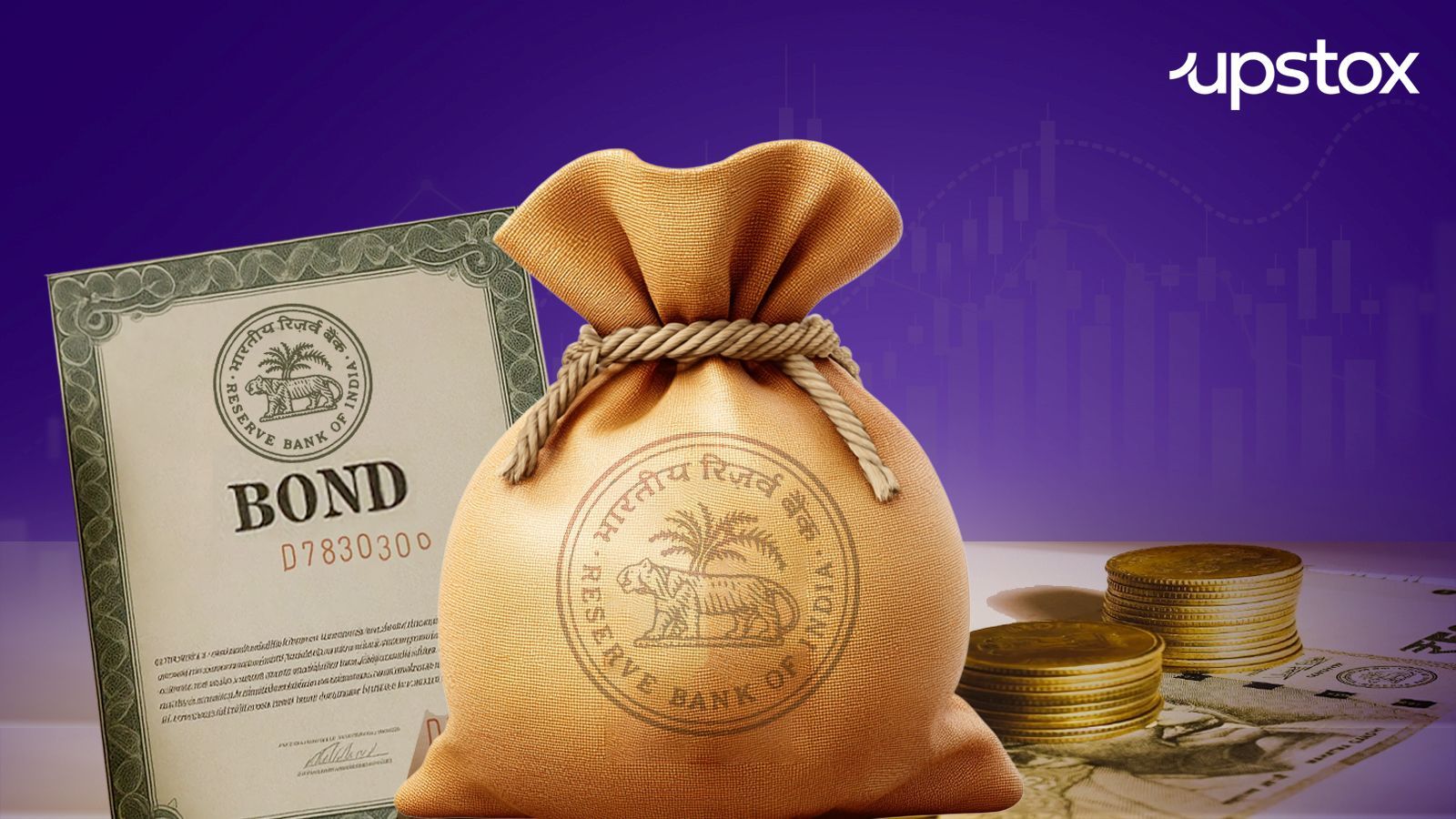
Bond ETFs are commonly passively managed exchange-traded funds that track a bond index and invest in line with the benchmark bond index.
-
Bond mutual funds invest in fixed-income securities such as government and corporate bonds, money market instruments, and other debt securities.
-
Bond ETFs are traded on stock exchanges, whereas bond mutual funds are not traded on exchanges.
-
Bond ETFs' prices fluctuate on an intraday basis, whereas the NAV of bond mutual funds is calculated at the end of the day.
Investors looking for stable returns and lower portfolio risk often choose fixed-income investments such as bonds. However, selecting the right investment vehicle can be confusing. Two popular options are bond ETFs and bond mutual funds. While both invest in debt securities, they differ in terms of management style, trading mechanism, costs, liquidity, and investment approach.
This article discusses what bond ETFs and bond mutual funds are, their differences, features, benefits, and which option is suitable for different types of investors.
What is a Bond ETF?
A Bond ETF is commonly a passively managed exchange-traded fund that tracks a benchmark bond index. Instead of selecting individual bonds, the fund replicates or seeks to replicate the composition of a specified bond index. Investors buy and sell bond ETF units on the stock exchange throughout the trading day, just like shares.
Since a bond ETF follows an index, it generally has lower expense ratios than actively managed funds. Bond ETFs may invest in government securities, public sector bonds, state development loans, or corporate bonds depending on the underlying benchmark.
Also Read: What is Gold ETF?
What is a Bond Mutual Fund?
Bond mutual funds are professionally managed funds that invest in a diversified portfolio of fixed-income instruments. Unlike passive exchange-traded funds, many fund managers actively select and manage debt securities to seek better risk-adjusted returns.
Bond mutual funds can invest in government bonds, treasury bills, corporate bonds, commercial papers, certificates of deposit, and other debt instruments. The fund manager adjusts the portfolio based on interest rate expectations, market conditions, and credit quality.
Bond ETF vs Bond Mutual Funds: Key Differences
Here are the key differences between bond ETFs and bond mutual funds in a tabular format:
| Features | Bond ETF | Bond Mutual Funds |
|---|---|---|
| Management Style | Passive index tracking | Active professional management |
| Trading | Traded on stock exchanges | Purchased and redeemed through fund houses |
| Pricing | Real-time market price | End-of-day NAV |
| Expense Ratio | Usually lower | Generally higher |
| Investment Strategy | Replicates or seeks to replicate the benchmark index | Fund manager actively selects securities |
| Liquidity | Bought and sold during market hours | Redemption processed at NAV |
| Transparency | Portfolio disclosed frequently | Portfolio disclosed periodically |
| Demat Account | Required | Not mandatory |
| Return Objective | Generally aims to match benchmark returns | Generally aims to outperform or appropriately manage risk relative to the benchmark |
| Suitable For | Low-cost passive investors | Investors seeking active management |
Also Read: Gold ETF vs Gold Mutual Funds
Features and Benefits of a Bond ETFs
Here are the features and benefits of a Bond ETF:
- Passive Management:
Bond ETFs track a benchmark bond index, reducing manager bias while offering returns that generally aligns with the underlying debt market performance.
- Lower Expense Ratio:
Since investing in bond ETFs is a passive investment strategy, they usually have low fund management costs, allowing investors to retain a larger portion of their investment returns.
- Exchange Trading:
Units of bond ETFs trade on stock exchanges throughout market hours, enabling investors to buy or sell them anytime during trading sessions.
- Diversification:
A bond ETF is a basket of multiple bonds, reducing concentration risk while providing exposure to various issuers and debt securities.
- Easy Accessibility:
Investors can purchase bond ETF units using a trading and Demat account through their preferred broker.
- Lower Tracking Risk:
Well-managed bond ETFs aim to minimise tracking error relative to the benchmark index over time.
- Low transaction cost:
Bond ETFs usually have lower portfolio turnover, which may reduce transaction costs and improve investment efficiency compared to actively managed funds.
Features and Benefits of Bond Mutual Funds
Here are the features and benefits of Bond Mutual Funds:
- Professional Fund Management:
Bond mutual funds are managed by experienced fund managers who actively select bonds based on interest rates, market trends, and credit quality to identify suitable investment opportunities.
- Active Portfolio Management:
Fund managers adjust holdings according to changing market conditions to optimise returns and manage investment risks.
- Wide Investment Choices:
Investors can choose among liquid funds, short-duration funds, corporate bond funds, gilt funds, and dynamic bond funds.
- No Demat Requirement:
Investors can invest directly through fund houses without opening a trading or Demat account.
- Systematic Investment Option:
Bond mutual funds support SIP investments, enabling disciplined investing through regular monthly contributions irrespective of market fluctuations.
- Professional Credit Analysis:
Fund managers conduct detailed research before investing in debt securities with varying credit ratings and maturities.
- Convenient Investing:
Investments and redemptions can be completed online through mutual fund platforms or brokers with ease.
- Suitable for Beginners:
Investors without extensive knowledge of bond markets may benefit from professional management and diversified fixed-income portfolios.
How to Invest in Bond ETFs and Bond Mutual Funds?
To invest in bond ETFs, you need to open a Demat account. However, to invest in bond mutual funds, a Demat account is not necessary; you can invest directly through the asset management company's (AMC's) website.
Steps to Invest in a Bond ETF
- After activation of the demat account, open the Upstox App.
- Add funds to your trading account.
- Search for the desired bond ETF on the NSE or the BSE.
- Set the price and quantity.
- Place a buy order and purchase units at the limit price or market price.
- You can also sell the units anytime during market trading hours.
Investing in Bond Mutual Funds
You can invest in bond mutual funds directly through the mutual fund company’s website, registered distributors, banks, or stock brokers. Here, the stock broker method is discussed.
- After activation of the demat account, open the Upstox App.
- Go to the mutual funds section.
- Search for bond mutual funds.
- Choose a fund based on your financial goals.
- Choose an investment method: lump sum or SIP.
- Enter the investment amount.
- Place a buy order.
- Your order will be executed based on the applicable NAV and processing timelines.
Who Should Consider Bond ETF?
Here are the types of investors who can consider investing in Bond ETFs:
- Passive Investors:
Investors preferring index-based investing with minimal fund manager intervention may find Bond ETFs suitable for long-term portfolios.
- Cost-Conscious Investors:
Lower expense ratios make Bond ETFs attractive for investors aiming to maximise returns after deducting investment costs.
- Experienced Investors:
Individuals comfortable using Demat accounts and stock exchanges can easily manage Bond ETF investments independently.
- Long-Term Investors:
Investors seeking stable fixed-income exposure while tracking the performance of a benchmark bond index may prefer Bond ETFs over actively managed alternatives.
- Diversification Seekers:
Investors looking to diversify equity-heavy portfolios with fixed-income exposure can benefit from Bond ETF investments.
Who Should Consider Bond Mutual Funds?
Here are the types of investors who can consider investing in bond mutual funds:
- First-Time Investors:
Beginners seeking professionally managed debt investments without requiring market expertise can consider Bond Mutual Funds for simplicity and convenience.
- SIP Investors:
Investors preferring regular monthly investments can build their investments through systematic investment plans in Bond Mutual Funds.
- Active Management Seekers:
Investors who prefer professional portfolio management may prefer actively managed debt funds.
- Investors Without Demat Accounts:
Individuals who do not maintain Demat accounts can invest directly through mutual fund platforms with ease.
- Goal-Based Investors:
Investors saving for education, retirement, or short-term financial goals can choose debt funds that match their investment horizon.
Bond ETFs vs Bond Mutual Funds: Which is Better and Why?
The choice between bond ETFs and bond mutual funds depends on an investor’s financial objectives, investment style, and cost preferences.
Bond ETFs are generally suitable for investors seeking low-cost passive investing, high transparency, and real-time trading flexibility. Since they usually track benchmark indices, they commonly have lower expense ratios and aim to deliver returns that broadly correspond to the performance of the underlying bond index.
On the other hand, bond mutual funds may be more suitable for investors who value professional management and believe experienced fund managers can actively manage duration, credit quality, and portfolio allocation.
If your priority is lower costs, transparency, and index-based investing, a bond ETF may be the better option. If you prefer active management, convenience, and professional decision-making, bond mutual funds may better suit your investment needs.

Conclusion
Both bond ETFs and bond mutual funds provide diversified exposure to the fixed-income market while helping investors reduce overall portfolio volatility. Although they invest in similar asset classes, they differ significantly in management style, trading mechanism, expenses, and investment flexibility.
Understanding the differences between bond ETFs and bond mutual funds allows investors to make informed decisions based on their financial goals and investment preferences.
Before investing, evaluate factors such as costs, liquidity, investment horizon, risk tolerance, interest rate risk, credit risk, and expected returns to choose the option that best complements your long-term financial strategy.
About Author
Subhasish Mandal
Sub-Editor


A finance professional with strong expertise in stock market and personal finance writing, he excels at breaking down complex financial concepts into simple, actionable insights. Holding a Master’s degree in Commerce, he combines academic depth with practical knowledge of technical analysis and derivatives.
Read more from Subhasish















Upstox is a leading Indian financial services company that offers online trading and investment services in stocks, commodities, currencies, mutual funds, and more. Founded in 2009 and headquartered in Mumbai, Upstox is backed by prominent investors including Ratan Tata, Tiger Global, and Kalaari Capital. It operates under RKSV Securities and is registered with SEBI, NSE, BSE, and other regulatory bodies, ensuring secure and compliant trading experiences.
Related articles

Mutual Funds
What is IDCW in Mutual Funds and How Does It Work?11 min read | Written by Subhasish Mandal
Mutual Funds
What Are Multi-Cap Mutual Funds: A Complete Guide for Retail Investors11 min read | Written by Sachin Gupta
Mutual Funds
How to Read AMFI Monthly Data: A Complete Beginner's Guide16 min read | Written by Bidita Sen

Mutual Funds
What is an Asset Management Company? How Mutual Fund AMCs Work16 min read | Written by Bidita Sen
Mutual Funds
What is AMFI? Role Of AMFI In India’s Mutual Fund Industry7 min read | Written by Bidita Sen