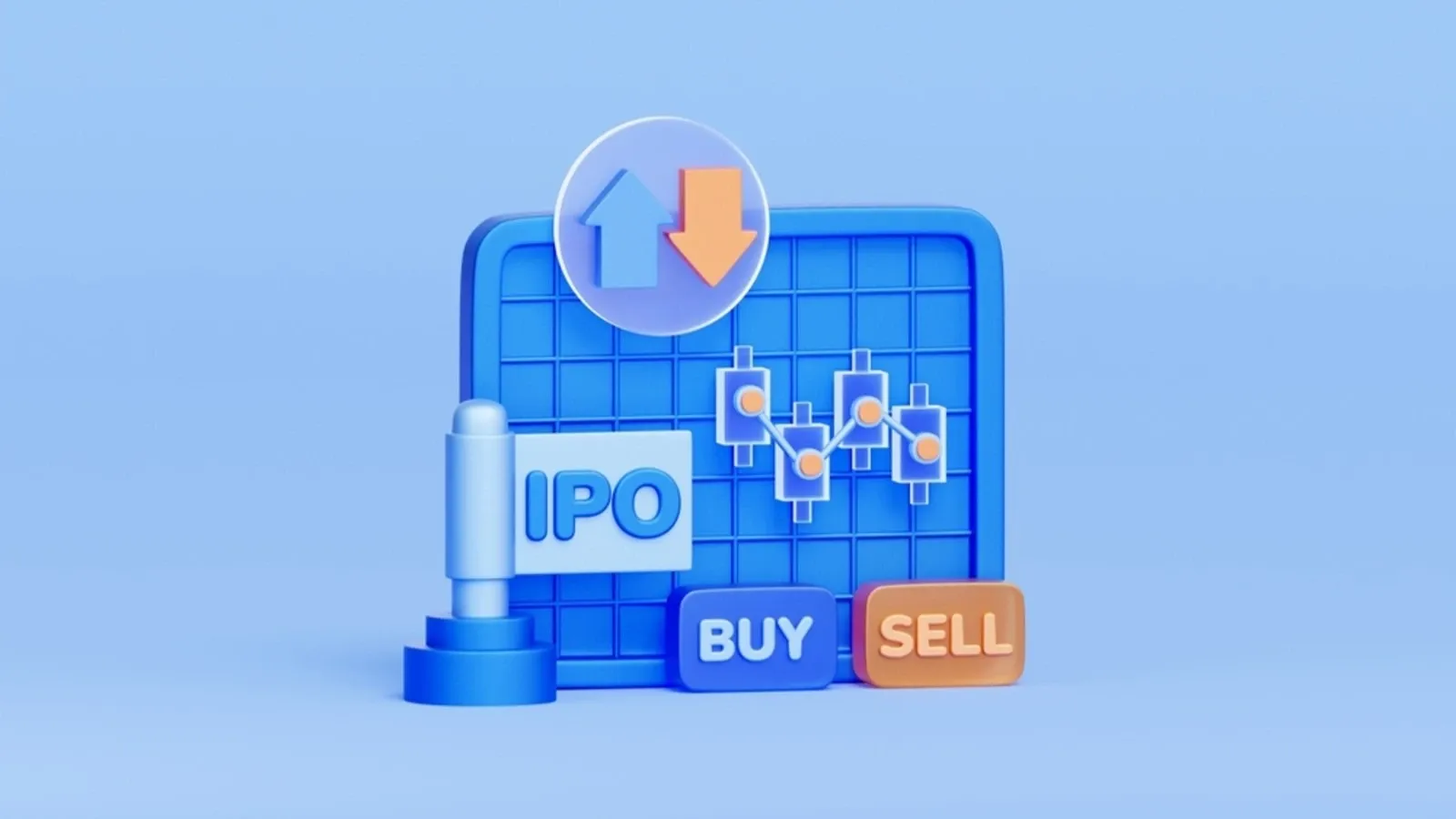
What is Venture Capital-Backed IPO

Written by Subhasish Mandal
Published on March 01, 2023 | 6 min read


Key takeaways:
-
Venture capital-backed IPOs are public offerings by companies that received financial backing from VC firms.
-
In a venture capital-backed IPO, these firms prefer to take an exit by selling their shares to public investors.
-
An offer-for-sale (OFS) is a process in which existing shareholders sell their shares and cash out their investment.
A company has to pass specific criteria before applying for an IPO which forms a base for deciding factors for the investor whether they should invest in the company's IPO or not. But, to fund their operation, sometimes promoters invest their own money, which you can call a bootstrapped company.
On the other hand, some founders do not have their own money to invest, so they get funds from outside the company, like private equity firms, venture capital firms, or even angel investors. When a venture capital firm gives funding to a company in return for a portion of equity, the same company applies for the IPO (initial public offering) to scale its operations. Such an IPO is known as a venture capital-backed IPO.
Let's understand in brief about venture capital firms before understanding in detail about venture capital-backed IPO.
What is a Venture Capital Firm?
A venture capital firm is a type of investment company that provides funding to startups and early-stage companies with high growth potential. These firms typically invest in companies that have yet to be publicly traded and may not have a proven track record or established revenue streams.
Venture capital firms typically invest in exchange for an ownership stake in the company, often taking a seat on the board of directors or providing guidance and support to the company's management team. They may also offer additional resources such as mentorship, network access, and industry expertise to help the company grow and succeed.
What is a Venture Capital-Backed IPO?
A venture capital-backed IPO (Initial Public Offering) is the process by which a privately held startup or company raises capital by offering its shares to the public for the first time. In this case, the company has received funding from venture capital firms to help grow and develop the business.
When a venture capital-backed company decides to go public, it may offer its shares to the public through an IPO. This allows the company to raise a significant amount of capital that can be used to fund further growth and development. Venture capital firms that have invested in the company may also sell some of their shares in the IPO, allowing them to realize a return on their investment.
How Does a Venture Capital-Backed IPO Work?
A venture capital-backed IPO is the process where a privately held, venture-funded startup transitions into a publicly traded company.
The process begins when VC investors see the company doing well, and valuations are high enough to cash out their investment.
The company, along with investment bankers, prepares the draft red herring prospectus (DRHP) and files it with the SEBI. The regulator checks the business and verifies the details mentioned in the DRHP. If the details are up to the mark, SEBI approves the IPO.
After SEBI approval, the company sets the IPO open and close dates, price band and lot size.
In the venture capital-backed IPO, the OFS component is usually available. Therefore, the OFS proceeds received from the public will go directly to the selling shareholders.
The remaining process, such as subscription, allotment, refunds, and listing, is the same as normal IPOs.
Advantages of investing in venture capital-backed IPO
Investing in a venture capital (VC) backed IPO (Initial Public Offering) can offer several potential benefits, including:
Growth potential
Companies that go public through an IPO can potentially increase and create significant value for shareholders. This is particularly true for companies backed by venture capital, which have often already demonstrated substantial growth and innovation in their early stages.
Access to early-stage investing
Investing in a VC-backed IPO can provide access to early-stage investment opportunities that may not otherwise be available to individual investors. This could lead to higher returns than investing in more established companies.
Diversification
Venture capital funds typically invest in a portfolio of companies, which can provide investors with diversification across multiple industries and sectors. Investing in a VC-backed IPO can allow individual investors to access this diversified portfolio.
Experienced management
Companies backed by venture capital typically have experienced management teams and a network of industry contacts that can help them succeed. This can give investors greater confidence in the company's ability to execute its growth plans.
Liquidity
When a company goes public through an IPO, its shares become tradable on public stock exchanges, providing investors with liquidity and the ability to sell their shares. This can be particularly attractive to investors who are looking for a way to exit their investments.
Disadvantages of investing in VC-backed IPO
It's important to note that investing in a VC-backed IPO also comes with risks, including the potential for volatility and the possibility of loss. Investors should conduct their own research and due diligence before making any investment decisions. Let's understand what potential risks can be:
High Valuations
Venture capital investments often result in high valuations for startup companies, making it difficult for the company to generate the returns necessary to justify these valuations. As you might have already seen in Shark Tank India, funds are given significantly on the basis of valuations. With every round of funding, these valuations tend to increase, which ultimately leads to a high PE ratio for the company.
Lack of Liquidity
Investing in a VC-backed IPO can result in a lack of liquidity, as it may be difficult to sell shares in the company on the public market. This can make it difficult for investors to realize their gains or exit their positions if necessary because of the company's high PE ratio. A market correction might lead the share prices down, and your returns might turn red.

Every investment has pros and cons, as do VC-backed IPOs. Despite vitality and sometimes unreasonable valuations, some startups are still undervalued but VC-backed. VCs are well-versed in growing businesses. If they can take the risk with their money, you can also take a calculated risk that suits your appetite and financial objective.
FAQs
Why do venture capital firms prefer IPOs?
Venture capital firms prefer IPO as an exit route because they provide liquidity, visibility, and potential for higher valuations.
How does a venture capital-backed IPO differ from a traditional IPO?
Traditional IPOs come from well-established and profitable companies, whereas venture-backed IPOs often involve younger companies focused on growth. They may not be profitable yet and include an OFS from VC investors.
Are VC-backed IPOs riskier than traditional IPOs?
Yes, VC-backed IPOs are generally riskier than traditional IPOs because of unproven profitability and high growth expectations.
How are venture capital-backed IPOs regulated in India?
In India, SEBI regulates all IPOs, including venture capital-backed IPOs. Companies must disclose their funding history, financials, and business risks in their DRHP and follow the company norms before listing.
About Author
Subhasish Mandal
Sub-Editor


A finance professional with strong expertise in stock market and personal finance writing, he excels at breaking down complex financial concepts into simple, actionable insights. Holding a Master’s degree in Commerce, he combines academic depth with practical knowledge of technical analysis and derivatives.
Read more from Subhasish




















Upstox is a leading Indian financial services company that offers online trading and investment services in stocks, commodities, currencies, mutual funds, and more. Founded in 2009 and headquartered in Mumbai, Upstox is backed by prominent investors including Ratan Tata, Tiger Global, and Kalaari Capital. It operates under RKSV Securities and is registered with SEBI, NSE, BSE, and other regulatory bodies, ensuring secure and compliant trading experiences.
Related articles


IPO
The Ultimate Guide to Initial Public Offerings (IPO): Everything You Need to Know Before Investing11 min read | Written by Mariyam Sara