Understanding Soft Commodity: Key Differentiators Between Soft & Hard Commodities

Written by Sachin Gupta
Published on September 29, 2023 | 6 min read

Key Takeaways
- Soft commodities are agricultural products that are grown, cultivated, and harvested rather than mined or extracted.
- Coffee, cotton, cocoa, sugar, wheat, corn, soybeans, and tea are some of the most popular examples of soft commodities.
- Weather conditions, crop diseases, seasonal changes, and natural disasters can substantially influence agricultural production and commodity prices.
- Unlike soft commodities, hard commodities include natural resources such as gold, silver, crude oil, and natural gas, which are extracted from the Earth.
Commodities play an important role in the global economy, shaping everything from food production and everyday consumer goods to industrial growth and international trade. Broadly classified into hard and soft commodities, these assets offer traders and investors different opportunities and challenges. While hard commodities include natural resources such as gold, silver, and crude oil, soft commodities comprise agricultural products that are grown, cultivated, and harvested.
What Are Soft Commodities?
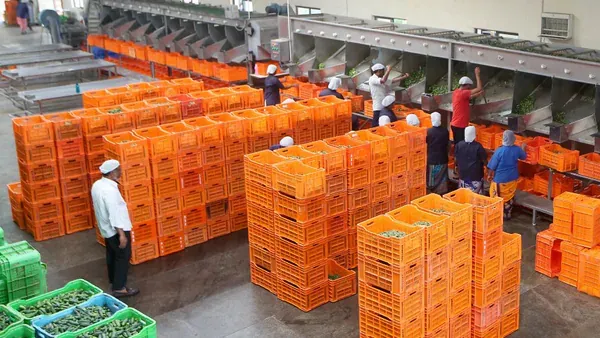
Soft commodities are also referred to as agricultural commodities as they combine a category goods that are primarily sourced naturally and produced via farming or cultivation. While hard commodities are generally mined or extracted from the Earth, soft commodities are grown, harvested and processed.
These goods play a key role in the global food supply chain and are extremely important for sustaining human life. However, it is crucial that amateur traders realize how volatile this type of trading can be, especially since agricultural production has become very unpredictable today. It is suitable for the adrenaline junkies of the trading environment. Typically, traders who seek high-risk markets go for soft commodities as the price fluctuations offer scope for more trading opportunities.
Examples of soft commodities
Coffee - Coffee is one of the most well-known soft commodities globally, majorly produced by Brazil, Colombia and Vietnam. Due to factors like weather conditions, pests and diseases affecting the production and prices, the coffee industry can be very volatile.
Cotton - Countries like the U.S., India and China are major cotton producers. Cotton prices are influenced by factors such as weather conditions, global demand for textiles and trade policies.
Cocoa - Cocoa is primarily grown in West Africa, with Ghana and Ivory Coast being the largest producers. Like other soft commodities, cocoa prices are susceptible to fluctuations caused by climate conditions and supply chain disruptions.
Sugar - Major sugar-producing countries include Brazil, India and Thailand. Sugar prices are affected by factors such as weather patterns, crop diseases and government policies.
Wheat - Wheat is one of the most widely cultivated grains globally. Major wheat-producing nations include China, India and Russia. Wheat prices are influenced by factors like weather conditions, global demand and trade regulations.
Corn (Maize) - Corn is a versatile crop used for human consumption, animal feed, and industrial purposes. The U.S., China and Brazil are leading corn producers. The corn market is sensitive to factors such as weather-related crop failures and biofuel production demands.
Soybeans - The U.S., Brazil and Argentina are major soybean producers. Soybean prices are influenced by factors like weather conditions, trade tensions and shifts in dietary preferences.
Tea - Tea is primarily grown in countries like China, India and Kenya. Factors affecting tea prices include weather, labour costs and global demand for various tea varieties.
What are hard commodities?
Hard commodities are non-agricultural raw materials or natural resources that are typically extracted through mining or drilling. These include metals like silver, aluminium, copper and industrial materials like iron ore, zinc and nickel. Hard commodities also encompass energy resources such as natural gas, crude oil, and coal.
Unlike soft commodities, hard commodities are affected by different geopolitical events, supply disruptions, and technological advancements. For instance, political tensions in oil-producing regions can lead to supply disruptions and cause oil prices to spike.
Soft vs hard commodities
| Soft commodities | Hard commodities | |
| Nature of the assets | Agricultural products | Non-agricultural raw materials |
| Market dynamics | Influenced by factors like weather, disease and agricultural policies, leading to greater price volatility | Driven by geopolitical events, technological advancements and supply disruptions. |
| Investment characteristics | Offer diversification benefits but require knowledge of agricultural markets | Serve as inflation hedges but are subject to geopolitical risks. |
If you are looking to enter the commodities market, it is essential that you understand the difference between soft and hard commodities. While both types of commodities have their unique characteristics and potential benefits, they also come with distinct challenges and risks.

Soft commodities are an essential part of the global commodities market, supporting food production, manufacturing, and several other industries. Unlike hard commodities, which are extracted from the Earth, soft commodities are agricultural products that are grown and harvested. Their prices are shaped by several factors, including weather conditions, crop diseases, seasonal production, global demand, and government policies, making them particularly sensitive to market fluctuations.
FAQs
What are soft commodities?
Soft commodities are agricultural products that are grown, cultivated, and harvested rather than extracted through mining or drilling. They include products such as coffee, cotton, cocoa, sugar, wheat, corn, soybeans, and tea.
What are the most common examples of soft commodities?
Some of the most commonly traded soft commodities include:
- Coffee
- Cotton
- Cocoa
- Sugar
- Wheat
- Corn (maize)
- Soybeans
- Tea
What is the difference between soft and hard commodities?
The primary difference lies in how these commodities are produced. Soft commodities are agricultural products grown through farming and cultivation, whereas hard commodities are natural resources extracted from the Earth through mining or drilling.
What factors affect the prices of soft commodities?
Soft commodity prices are affected by various factors, including weather conditions, natural disasters, crop diseases, seasonal production, global demand, transportation costs, trade policies, and geopolitical developments. Changes in any of these factors can affect agricultural supply and market prices.
Why do traders invest in soft commodities?
Traders participate in soft commodities markets to benefit from price movements, diversify their portfolios, and gain exposure to agricultural markets. However, these commodities can be highly volatile, so traders should understand the associated risks before investing.
About Author
Sachin Gupta
Senior Sub-Editor

is a seasoned financial writer with over eight years of experience across global markets, including Australia, the UK, and New Zealand. He specialises in simplifying complex financial concepts, making them accessible and engaging for a wide range of readers. When he’s not writing or traveling, he can often be found exploring the mountains, drawing inspiration from the calm and clarity of the outdoors.
Read more from Sachin




















Upstox is a leading Indian financial services company that offers online trading and investment services in stocks, commodities, currencies, mutual funds, and more. Founded in 2009 and headquartered in Mumbai, Upstox is backed by prominent investors including Ratan Tata, Tiger Global, and Kalaari Capital. It operates under RKSV Securities and is registered with SEBI, NSE, BSE, and other regulatory bodies, ensuring secure and compliant trading experiences.
Related articles



Futures and Options
Options Trading Strategies: Why Expiry Days Can Wipe Out Profits10 min read | Written by Bidita Sen

Futures and Options
AI Option Chain Analysis vs Manual Option Analysis: A Quick Comparison5 min read | Written by Subhasish Mandal

Futures and Options
What Is AI Option Trading and How Does It Work?4 min read | Written by Subhasish Mandal
Futures and Options
What are ITM, OTM, ATM in Call and Put Options12 min read | Written by Subhasish Mandal

Futures and Options
What is Forward Market and How They Work? A Complete Guide15 min read | Written by Subhasish Mandal