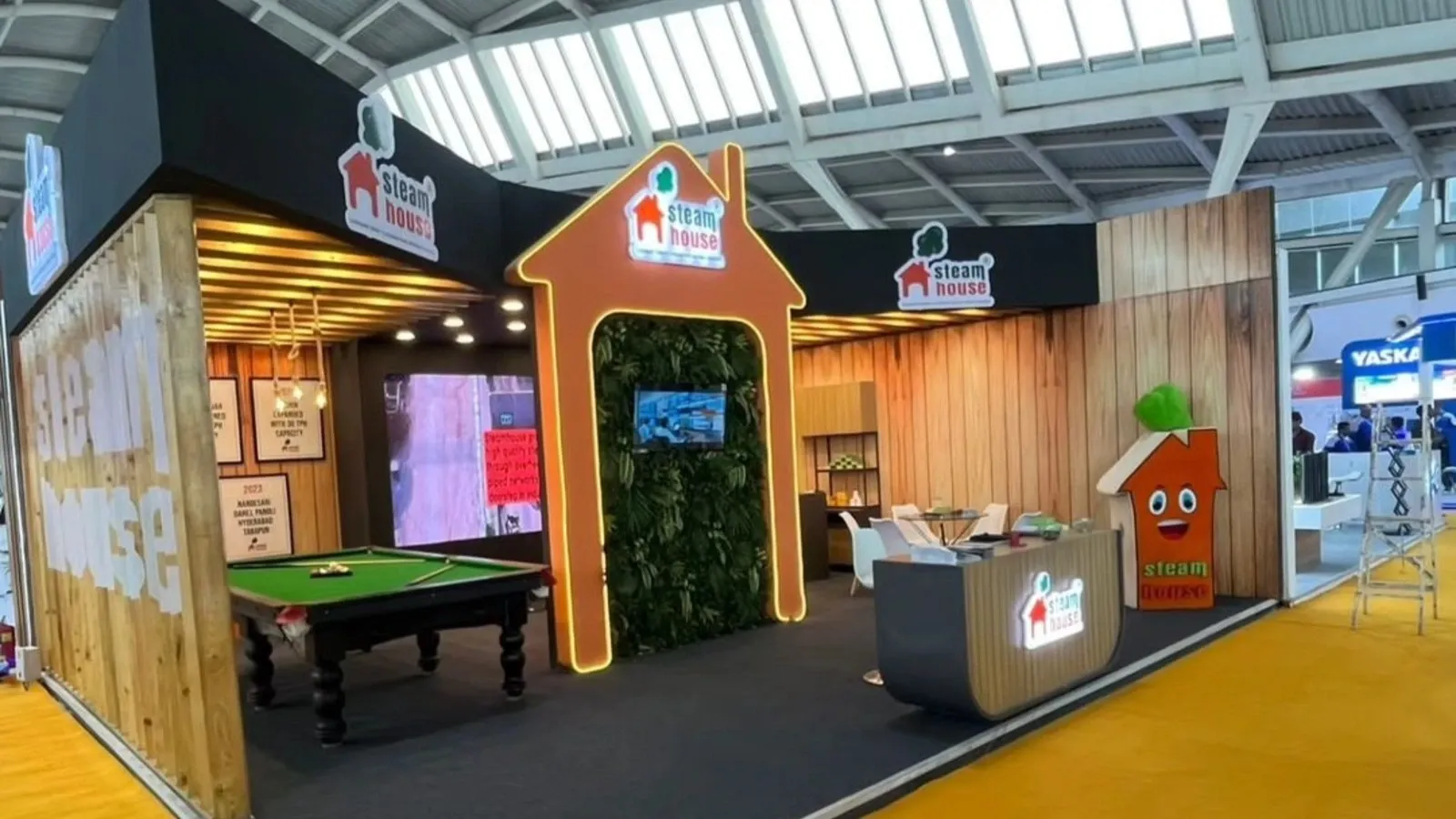
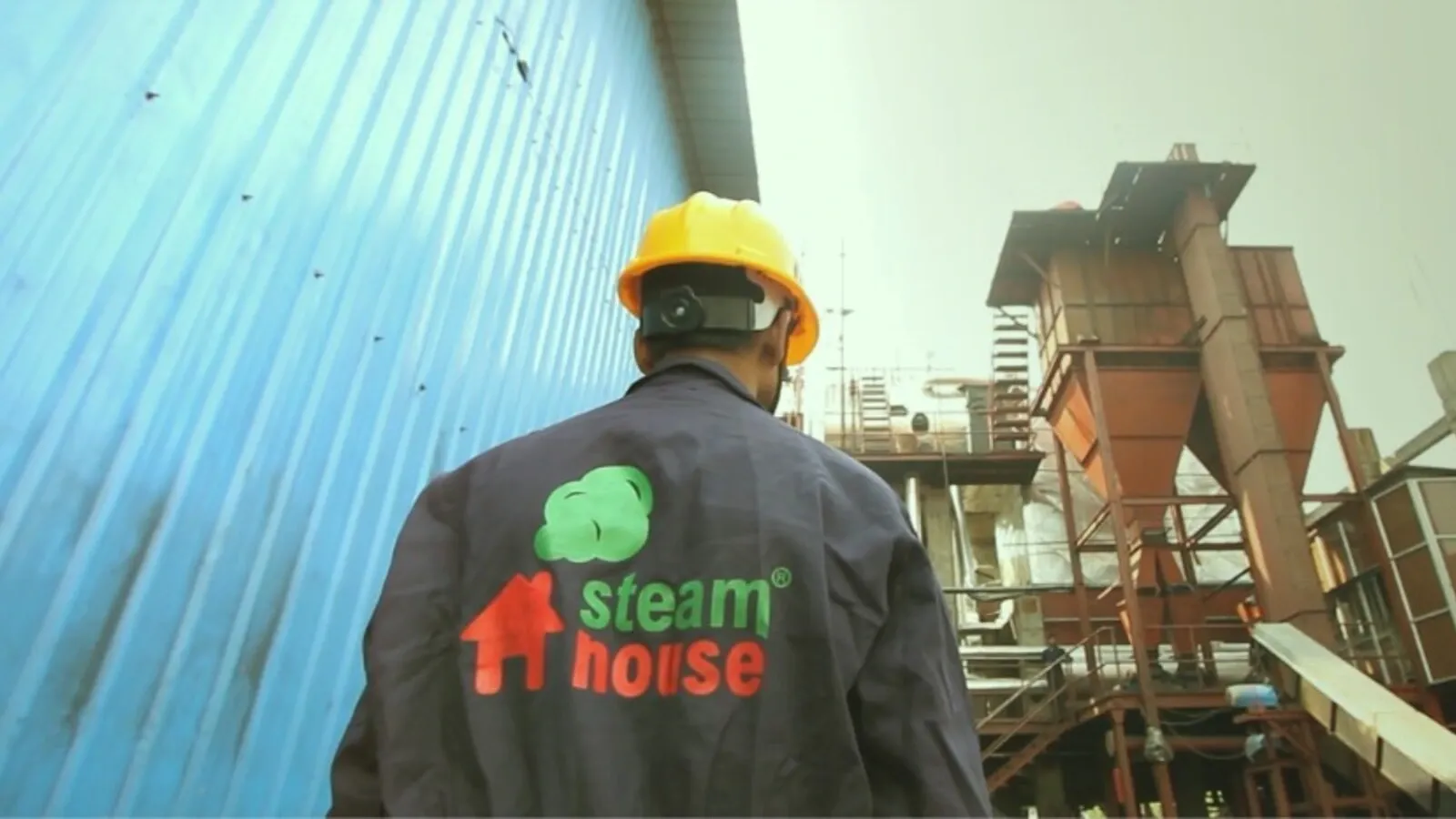
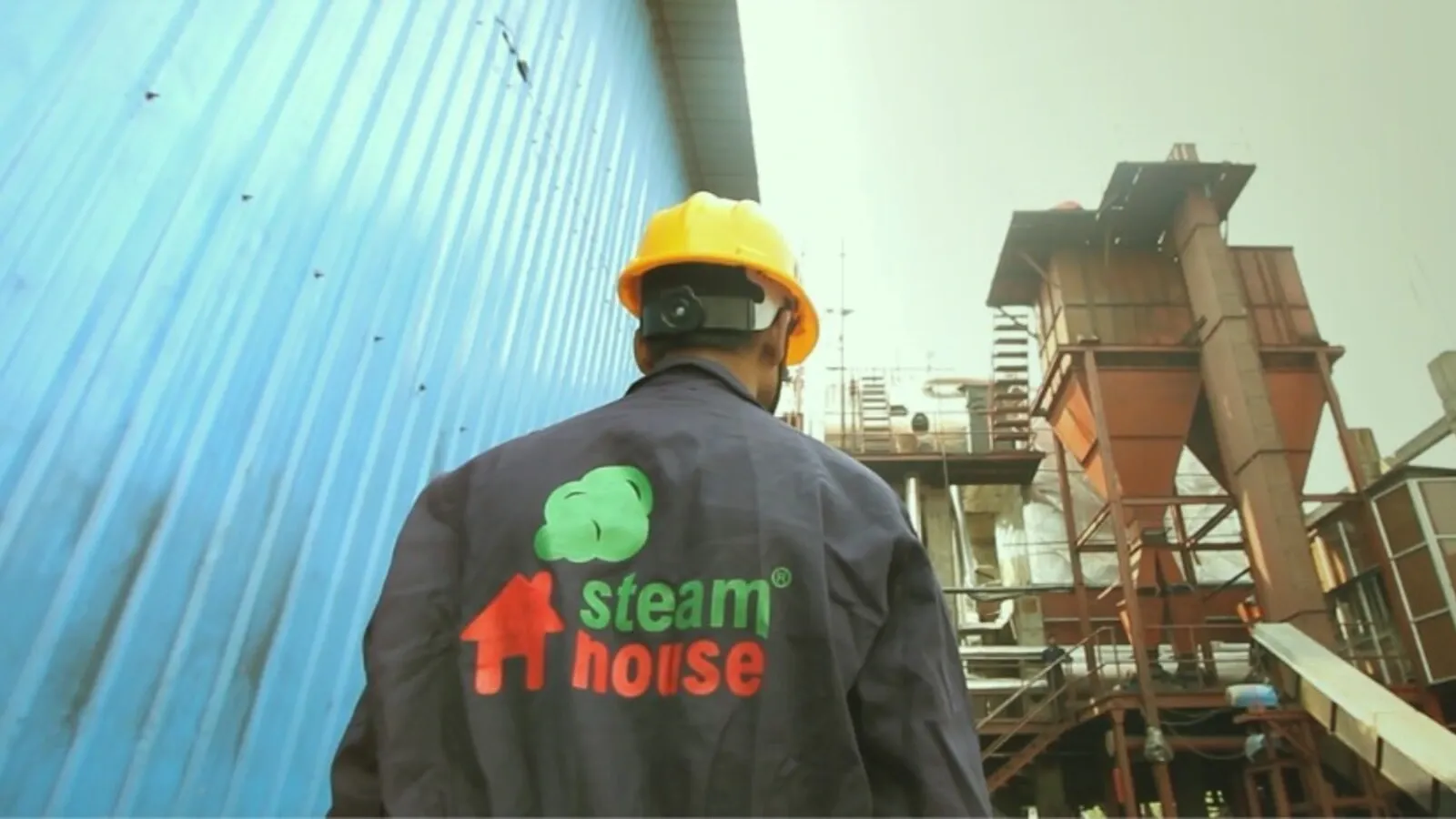
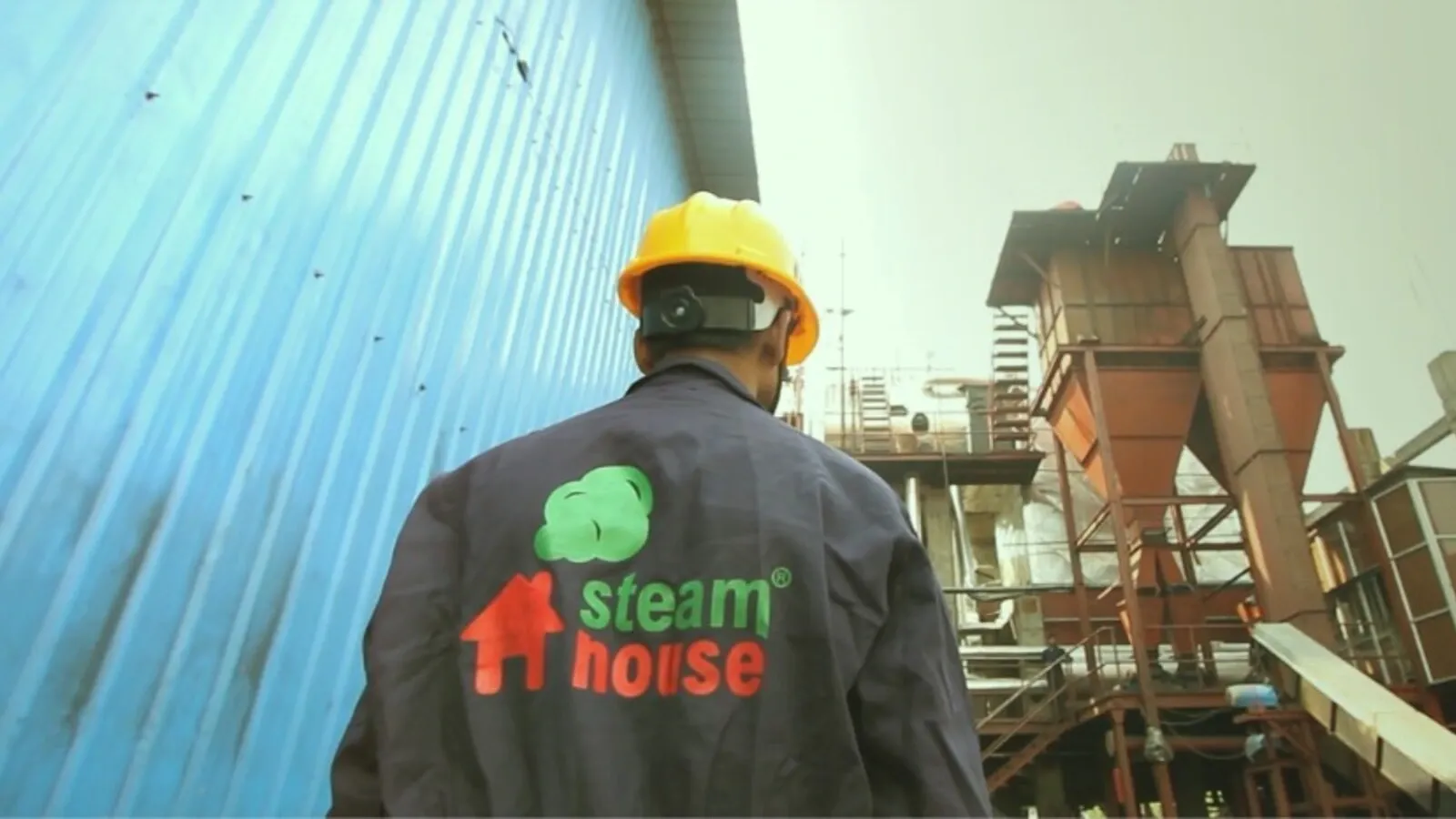
Steamhouse India IPO will open for subscription on 9 September 2026. The IPO will remain open till 11 September for retail and institutional investors, followed by listing on 17 September. The company is engaged in the generation and distribution of industrial gases, mainly steam and nitrogen, through its pipeline network.
It operates the industrial gas business through three key verticals: generation and distribution of steam through its community boiler system and pipeline network, purchase and distribution of steam generated by other entities, and separation, compression and distribution of nitrogen extracted from atmospheric air. Steamhouse India pioneered the community boiler system in India in 2014.
Steamhouse India started nitrogen production and supply on February 1, 2025. It is the only company in India that supplies nitrogen through a distributed pipeline network, instead of the more common model of supplying nitrogen through cryogenic tanks or onsite nitrogen-generation systems.
Steam generation and distribution remain the core business. In FY26, it contributed ₹256.26 crore, accounting for 52.1% of revenue from operations. Purchase and distribution of steam contributed ₹87 crore or 17.7%, while coal trading contributed ₹132.3 crore or 26.9%. Nitrogen distribution contributed ₹57.7 lakhs or 0.1% of revenue from operations.
As of July 31, 2026, the company operated seven community steam boilers in Gujarat, comprising six owned boilers and one leased boiler. These boilers have a combined installed capacity of 345 tonnes per hour (TPH), equivalent to an annual installed capacity of 2,185,920 tonnes per annum (TPA). The company also owns, operates and maintains a 60,151-meter pipeline network connecting its facilities with customer premises. Individual pipelines range from a minimum of 3,000 meters to a maximum of 20,000 meters. Its facilities are located close to major Indian ports and industrial customer clusters in Gujarat, which supports efficient supply and distribution.
The company's distribution capacity for industrial gases sold stood at 2,569,784 tonnes in FY26, while actual volume sold was 1,066,773 tonnes, resulting in capacity utilisation of 41.5%. The company served 202 customers in FY26, up from 173 customers in FY25 and 125 customers in FY24. Repeat customers contributed 90.7%, 88% and 91.4% of revenue in FY26, FY25 and FY24, respectively.
Its customer base spans several industrial sectors, including pharmaceuticals, chemicals, textiles, agro-chemicals, tyres, dyes and pigments, polymers and paints. Key customers include Aether Industries, Anupam Rasayan India, Globe Enviro Care, Gujarat Polysol Chemicals, Devanshi Dyestuff, K. Patel Chemo Pharma, K. Patel Dye Chem Industries Private Limited, Mahavir Synthesis Private Limited, Mangalam Intermediaries, Orgo Chem Gujarat Private Limited and Subhasri Pigments. Its top 10 customers accounted for 47.8% of revenue from operations in FY26. The largest customer, Sanjoo Dyeing & Printing Mills Private Limited, contributed ₹90.2 crore or 18.3% of revenue from operations.
Chemicals was the largest customer sector in FY26, contributing 26% of revenue, followed by Textiles at 22.1%, Pharmaceuticals at 18.4% and Agrochemicals at 10.3%. The remaining revenue came from sectors including Tyres, Dyes & Pigments, Polymers and Paints. The company's operations remain highly concentrated in Gujarat. In the last three financial years, 100% of revenue from the sale of industrial gases came from customers located in Gujarat.
The company is planning to establish new community industrial gas facilities at Nandesari (Phase 2), Jhagadia, Vapi (Phase 3), Ankleshwar (Phase 3), Pirana (Ahmedabad), Panoli (Phase 2), Tarapur and Dahej GIDC (Phase 2). These facilities are expected to become operational during calendar years 2026 and 2027. Once the proposed expansion is completed, the company's steam distribution capacity is expected to increase from 345 TPH to 705 TPH. Annual installed capacity is expected to increase from 2,185,920 TPA to 4,466,880 TPA.
India’s process steam demand was around 203,472 TPH (TPH is tonnes of steam per hour) in FY26 and is projected to grow to 318,853 TPH by FY31, a CAGR of approximately 9.4%. Based on an annual operating time of 8,000 hours, the total process steam demand is estimated to be some 1,628 million tonnes in FY26. Steam-as-a-Service is estimated to have an addressable market of about ₹3,66,250 crore in FY26 at an average steam cost of ₹2 to 2.5 per kg. The move to community boilers is driven by the need for lower running costs, higher energy efficiency and less investment in individual boiler infrastructure.
Community boilers can save 25 to 30% of fossil fuel compared to individual boilers, reduce space requirements and allow third-party operators to manage operations, maintenance, compliance and monitoring. The model can also tap into waste heat recovery and cleaner fuels like biomass and other renewables.
Steamhouse can take advantage of the expected move to centralised steam generation and distribution. Community boilers could meet around 3% of the country’s processed steam demand in the next five years. This would lead to an approximate 10x increase in community boiler installed capacity and a 55 to 60% CAGR in installed capacity. The company’s existing presence in industrial clusters and pipeline networks can support this growth, while the high capital requirement and limited space for setting up new pipeline networks and centralised facilities can act as entry barriers.
The company is also a beneficiary of increasing use of biomass, industrial waste, RDF and waste heat for steam generation. Opportunities also exist in the area of cogeneration where electricity and useful heat can be produced from the same fuel source. Steamhouse's monitoring and efficiency improvement technologies can help further support plant efficiency and reliability.
Now, Steamhouse India is launching its initial public offering (IPO), which consists of a fresh issue of ₹353 crore and an offer for sale of ₹61 crore. The total issue size of the IPO is ₹414 crore. Its shares will be listed on the NSE and BSE.
How to apply for Steamhouse India IPO?
If you are interested in this investment opportunity but unsure how to apply for Steamhouse India IPO, follow these steps.
When the public issue opens for subscription, one can follow this step-by-step guide on how to apply for the Steamhouse India IPO on Upstox:
- Log in to your Upstox account, using your six-digit PIN
- After logging in, click on ‘Discover’
- On the ‘Discover’ tab, you will find the ‘Invest in IPO’ section
- Under the Invest in IPO section, look for the ‘Steamhouse India IPO’ tab and click on it
- Now fill in all the required information, like ‘bid price’ and ‘lot size’
- Confirm and click on ‘Apply’
- Accept the mandate on your UPI app

 Gail (India) Ltd
 Linde India Ltd
 Petronet LNG Ltd