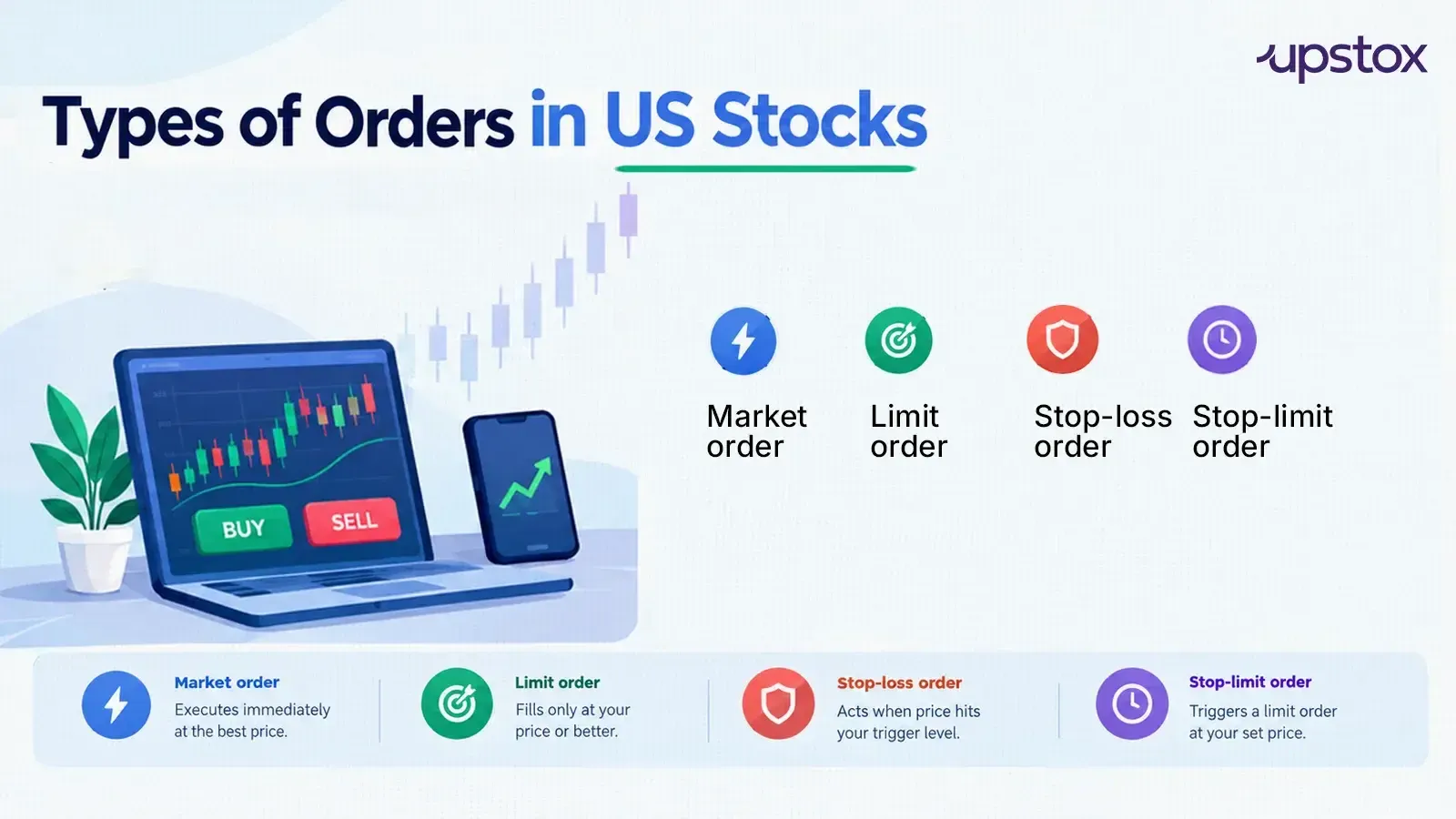
Can Indian Investors Apply for US IPO?

Written by Subhasish Mandal
Published on November 11, 2026 | 7 min read


Key Takeaways:
-
Indian retail investors cannot invest in US IPOs because they are not eligible for the retail allocation.
-
US IPOs allocate roughly 70% to 90% of their shares to institutional investors such as pension funds, hedge funds, and asset managers.
-
There is no retail-mandated IPO quota for retail investors. Underwriters distribute IPO shares entirely at their discretion, mainly favouring institutional investors.
-
You can buy US stocks from India through supported international brokerage platforms only when they are listed on the NYSE or Nasdaq.
The US stock market attracts global investors because it offers opportunities to invest in some of the world's largest startups and well-established companies. When a well-known US company like Anthropic announces its IPO, Indian retail investors often wonder whether they can apply for US IPOs.
However, investing in a US IPO is different from applying for an Indian IPO. While retail investors can invest in US stocks through GIFT City, getting shares directly during an IPO is difficult.
The main reasons are the lack of a mandatory retail allocation, institutional dominance, discretionary allotment, and limited access to underwriting syndicates.
This article discusses why Indian retail investors cannot apply for US IPOs and explores alternative ways to invest in newly listed American companies.
What is a US IPO?
A US IPO, or Initial Public Offering, is when an American private company goes public and offers its shares to the general public for the first time. This is the process by which a US stock gets listed on the New York Stock Exchange (NYSE) or Nasdaq, and its shares become available for trading.
Also Read: US Stocks vs US ETFs
Why Indian Investors Cannot Apply for US IPOs?
Indian investors cannot access US IPOs through the straightforward application process available in India. The US IPO market follows a different allocation mechanism, where investment banks and underwriters distribute the shares.
The major reasons are:
No Direct Allocation Chain
In India, retail investors can apply for an IPO through brokers, banks, and UPI-based applications. These IPO applications are processed through an organised, exchange-based system.
However, the US stock market does not have an equivalent centralised application mechanism for all retail investors. US IPO shares are distributed through underwriting syndicates comprising investment banks and brokers.
Indian investment platforms such as Upstox, which provide access to US stocks, operate through international brokerage partners. These platforms provide facilities for investing in listed US stocks rather than direct access to IPO allocations through underwriting syndicates.
Institutional Dominance
Institutional investors dominate the US IPO market. Investment banks and underwriters generally distribute a substantial portion of IPO shares to institutional clients before the stock gets listed on an exchange.
These investors include:
- Mutual Funds
- Hedge Funds
- Pension Funds
- Insurance Companies
- Discretionary Allotment
Unlike the Indian IPO market, where retail allotment follows defined regulatory rules, US IPO allocations are largely determined by underwriters in consultation with the issuing companies.
Investment banks consider several factors when distributing shares, including investor relationships, investment capacity, demand, and long-term investment preferences.
Even US retail investors may receive limited allocations or no shares in highly subscribed US IPOs. Therefore, having an international brokerage account does not automatically guarantee access to US IPO allotments.
Regulatory Restrictions
The regulatory framework also affects the eligibility of people to take part in US IPOs. According to FINRA Rule 5130 in the US, particular people who fall under the restricted person category, such as employees of broker-dealers and other members of the securities industry, are not allowed to buy stocks during IPOs, apart from some exceptions. This rule was put in place to ensure that industry insiders do not profit from their positions.
Why Do US IPOs Work Differently From Indian IPOs?
The Indian and US IPO markets use different mechanisms to issue and distribute shares.
In India, the Securities and Exchange Board of India (SEBI) regulates the IPO application. In a standard book-built public issue, at least 35% of the net offer is reserved for retail individual investors, subject to applicable regulatory conditions.
Investors can apply through an Application Supported by a Blocked Amount (ASBA), where the application amount remains blocked in their bank account until the IPO allotment process is completed.
In the US, investment banks manage the underwriting and share distribution process. There is no mandatory retail reservation of shares across IPOs. Underwriters have considerable discretion over allocation.
Indian IPOs vs US IPOs Comparison
Here is the comparison table discussing Indian IPOs and US IPOs:
| Basis of Difference | Indian IPOs | US IPOs |
|---|---|---|
| Retail Reservation | At least 35% in book-built issues. | No mandatory retail quota. |
| Application Process | ASBA, UPI and broker platforms. | Through participating underwriters and eligible brokerages. |
| Allotment Process | Regulatory allocation framework. | Primarily underwriter discretion. |
| Institutional Participation | Separate QIB category. | Significant institutional participation. |
| Retail Participation | Structured retail participation. | Depends on broker access and offering arrangements. |
| Investor Access | Widely available to eligible investors. | Limited access to IPO allocations. |
Ways to Invest in US IPOs from India
Although direct participation in the US IPO allocations is difficult, Indian investors have alternative ways to invest in newly listed American companies.
Two common approaches are:
- Buying US IPO shares on the listing day.
- Investing after the lock-in period ends.
Method 1: Buy US IPO Shares on Listing Day
One of the easiest ways to invest in a US IPO is to purchase shares after they start trading on the stock exchange.
Once the IPO is completed, the shares become available for trading on the NYSE or Nasdaq exchanges.
Indian investors can buy US-listed shares through their broker, which provides facilities for US stock investing.
Method 2: Buy US IPO Shares After Lock-in Periods End
A lock-in period is a contractual restriction that prevents certain existing shareholders, including founders, employees, and early investors, from selling their shares immediately after an IPO.
For US IPOs, the lock-in period is usually between 90 and 180 days after listing.
When the restriction expires, eligible shareholders may begin selling their shares, potentially increasing the number of shares available for trading in the market.
Indian investors can buy US stocks through international trading accounts offered by their brokers.
This approach may provide investors with an opportunity to evaluate a company’s performance after the listing. However, lock-in expiry does not mean that the share price will decline.
Read More: How to trade US stocks from India.

Indian investors can invest in listed US stocks, but they may not always be able to apply for US IPOs due to limited direct retail access, institutional dominance, discretionary allotment, and regulatory restrictions.
However, investors can purchase newly listed stocks through a broker that provides US stock investment services. Alternatively, they can consider investing after the IPO lock-in period ends.
Before investing in US stocks, investors should evaluate company fundamentals, IPO valuations, taxation, and overall investment risk. A company’s IPO popularity does not guarantee good returns.
FAQs
Can Indian investors apply for US IPOs?
No, Indian investors may not be able to apply directly for US IPOs through their regular international trading accounts, as retail access to IPO allotments is limited. Also, the US IPO market follows a different allocation mechanism, where investment banks and underwriters distribute the shares.
Why is it difficult for Indian investors to get US IPO allotments?
US IPO shares are mainly distributed through underwriting syndicates and investment banks. Unlike India, the US does not have a mandatory retail investor reservation or a universal IPO application system.
Can Indian investors buy US IPO shares on listing day?
Yes, Indian retail investors can buy US IPO shares on the listing day through their international trading account that provides access to the US stock exchange.
What is the Lock-in Period in US IPOs?
A lock-in period is a contractual restriction that prevents existing shareholders from selling shares immediately after an IPO listing. It is usually around 90 to 180 days.
About Author
Subhasish Mandal
Sub-Editor


A finance professional with strong expertise in stock market and personal finance writing, he excels at breaking down complex financial concepts into simple, actionable insights. Holding a Master’s degree in Commerce, he combines academic depth with practical knowledge of technical analysis and derivatives.
Read more from Subhasish





















Upstox is a leading Indian financial services company that offers online trading and investment services in stocks, commodities, currencies, mutual funds, and more. Founded in 2009 and headquartered in Mumbai, Upstox is backed by prominent investors including Ratan Tata, Tiger Global, and Kalaari Capital. It operates under RKSV Securities and is registered with SEBI, NSE, BSE, and other regulatory bodies, ensuring secure and compliant trading experiences.
Related articles
US Stocks
US Stock Investing: T+1 Settlement Cycle for Indian Investors9 min read | Written by Subhasish Mandal


US Stocks
How to Invest in US ETFs from India: Direct and Indirect Routes15 min read | Written by Bidita Sen
US Stocks
US Stock Dividends: Meaning, Types and How They Work11 min read | Written by Subhasish Mandal


US Stocks
How Does INR to USD Conversion Work When Buying US Stocks?10 min read | Written by Subhasish Mandal