April 26, 2023

Bank Timings in India for Today and Saturday

Clients visiting the Bank to conduct business should know the general bank timing. We will cover the general bank timing on weekdays and Saturdays, lunch timing and RBI bank timing, RTGS, and NEFT timings.
Several public and private sector banks have altered their operating hours, restricted the staff count, and suspended Non-essential services. Nevertheless, all the banks have restored their operations and working hours as usual.
Also, the services that got initially suspended have now got resumed. The banks are taking strict measures for clients and staff.
  • Clients will need to put on a mask throughout their time in the Bank.
  • The Bank is equipped with multiple sanitisers properly before entering and leaving.
  • Security staff gets trained to perform temperature checks on all clients.
  • Customers get requested to keep a safe distance of at least 1 m from one another.

What are the bank timings in India?

Banks are usually open around 9:30 a.m. and close at 5:30 p.m. nevertheless, some banks are open 12 hours a day. It means that the bank timings start at 8:00 a.m. and close at 8:00 p.m.
Some banks are open for at least 6 hours per day. It means that the Bank opens at 10:00 a.m. and closes at 4:00 p.m. One should find out the working hours of the Bank before visiting the branch.
Do note that the banks may have different working hours on weekends.
BankWeekdays*(Monday to Friday)Saturdays*(1st, 3rd,5thof the Month)
State Bank of India Bank9.00 AM to 3.30 PM9.00 AM to 3.30 PM
HDFC Bank9:30 AM – 3:30 PM9:30 AM – 3:30 PM
ICICI Bank10:00 AM – 2:00 PM10:00 AM – 2:00 PM
RBL Bank10:00 AM – 5:00 PM10:00 AM – 5:00 PM
Bank of Baroda10:00 AM – 4:00 PM10:00 AM – 4:00 PM
IDBI Bank10:00 AM – 4:00 PM10:00 AM – 4:00 PM
YES Bank9:30 AM – 4:30 PM9:30 AM – 4:30 PM
Punjab National Bank10:00 AM – 4:00 PM10:00 AM – 4:00 PM
Allahabad Bank10:00 AM – 4:00 PM10:00 AM – 4:00 PM
HSBC Bank10:00 AM – 4:00 PM10:00 AM – 4:00 PM
It is worth noting that the bank timings will vary from one branch to another.
One can conduct financial and nonfinancial business with the Bank during working hours of the Bank. All the services that clients can avail of the bank offer within working hours.

Timing of bank on Saturday

The banks are open on the first, third, and fifth Saturday of every month as long as it is not a gazetted holiday. In most cases, the timing of bank in India will identify their weekday timing.

Lunch timing at Bank in India

Banks will not close down for business during lunch hours. Clients can visit the Bank at any time during working hours of the Bank to conduct business.
Bank employees can take their lunch breaks in batches, so the business is not affected.
It may take lunch between 1:00 p.m. to 3:00 p.m.

Bank timing at RBI

The Reserve Bank of India operates on weekdays only. RBI Bank timing is as follows:
People can visit the Reserve Bank of India to conduct business during banking hours only. The Bank conducts internal work during the remaining working hours.

NEFT timing at Bank

NEFT working hours gets determined by the Reserve Bank of India. From 16th December 2019, NEFT services have been made 24*7 for the clients. The system will be available on all days of the Year, including holidays. It includes 48 half-hourly settlement batches starting from 00:30 hours to 00:00 hours.
NEFT is a nationwide payment system that facilitates one-to-one fund transfers. Individuals can transfer funds from one account to another in any bank that participates in the scheme.

RTGS timing at Bank

Under the real-time gross settlement, RTGS funds get transferred in real-time. It means the fund gets transferred as soon as the instructions are received. RBI has made transfers of funds through the real-time gross settlement system to the customers 24*7 on all days of the week.

FAQ

Is there a special time for Indian banks on Saturday?

There are no special timings for a bank on Saturday. The banks remain open on the first, third, and 5th Saturdays of each month. Most banks will operate on the weekdays, timing on Saturday as well.

What is the official bank timing for lunch in a bank branch?

There is no specific time for lunch in most of the branches of the Bank. It wants to keep serving its clients coming to the branch. Hence, most employees of banks will go for lunch on a staggered basis.

What are the services available on banking holidays?

Services available on banking holidays are as follows:
  • Immediate payment services
  • Unified payment interface
  • Access to the internet and mobile banking
  • Check drop boxes at the ATM

Will Indian Bank open on the second and 4th Saturday for half a day?

Banks are not operational on the second and fourth Saturdays.

What is the working hour of RBI in India?

RBI's business hours are 9:30 a.m. to 5:15 p.m.

Never miss a trading opportunity with Margin Trading Facility

Enjoy 2X leverage on over 900+ stocks
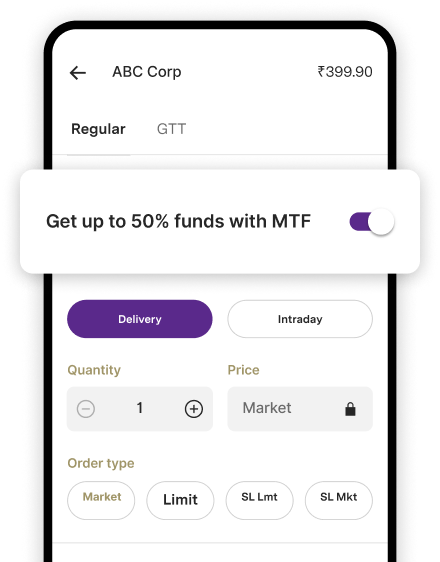
Upstox Margin Trading Facility

RELATED ARTICLES

ICICI Bank Corporate Netbanking - Login, Registration, Features, & Online Banking

- Are you looking for superior digital transactions- real time, risk free and well tracked for your business? - Are you looking for a superior level of customisation backed by ' best in class technology platform for your banking ? Founded in 1994, the Vadodara headquarters ICICI bank, is one of India's leading private sector player with a strong domestic and international presence through its network of 5,275 branches and 15,589 ATMs across India and footprints across 17 countries worldwide. The bank had consolidated asset base of ₹16.8 lakh crore (as on December 31, 2021) and a comprehensive solutions portfolio distributed across its retail and corporate segment. Let us take a deep dive into ICICI's corporate net banking offerings which can be availed 'everytime,everywhere, with ease in a safe and secured manner and with a richer engagement experience by corporate ( big, medium or small) and institutional customers. The corporate net banking division caters to offers a variety of services including transaction based and non- transaction based services, cashless and paperless, ranging from: - Consolidated view of accounts, mapped to a single User ID on a single window. - This includes loans, deposits and linked accounts like channel partner, vendor and dealer accounts. - Intra and Inter Bank fund transfer using [NEFT](https://upstox.com/banking/what-is-neft-meaning-timings-full-form-charges-and-how-to-transfer-money/) and [RTGS](https://upstox.com/banking/what-is-rtgs-meaning-full-form-timings-charges-and-transfer-limit/) - Bulk payments - Online tax payment - Utility bill payments - Trade services - Cash management services which includes cheque / DD printing, collections MIS, internet-based cheque writing, etc - Requests for [ fixed deposit( FD)](https://upstox.com/banking/what-is-fixed-deposit-fd-interest-rates-benefits-account-opening-process/) opening, cheque book and cheque stop payment and much more.

5 Smart Financial Tips for Young Adults

Summary: Your 20s and 30s are a crucial time to start building a strong financial future. By making smart money decisions now, you can set yourself up for success later in life. In this blog post, we'll share five essential financial tips for young adults, including budgeting, saving, investing, and retirement. Money management secures your future, whether that's covering an unexpected bill or saving for a significant purchase. It involves budgeting, saving, and investing – essential skills for a stable financial future that are frequently overlooked in education. This blog will guide you through five practical financial tips that are simple to understand and apply. So, let's get started. Top 5 personal financetips for young adults Handling your money well is key—it's what keeps you secure when life throws surprises and helps you grow your savings for the future. It's about saving where you can, investing with a plan, and not spending more than what comes in. Nailing these basics can turn things around for you. So here they are, the top five financial tips for young adults: - Create a budget and track your expenses Budgeting is about tracking your income and expenses to make sure you spend less than you earn. It's creating a plan for your money, so you're in control of where it goes. Let's say you bring home INR 30,000 a month. You might allocate INR 10,000 for rent, INR 7,000 for food, and INR 3,000 for travel. Out of what’s left, you could put INR 5,000 into savings for emergencies or future goals, and the remaining INR 5,000 could cover your mobile plan, internet, or a weekend outing. This way, you've got your expenses covered, your savings on the rise, and still keep some money aside for leisure and unexpected needs. It's about making intentional choices so that you can balance today's needs with tomorrow's plans. - Start saving today Saving helps you build an [emergency fund](https://upstox.com/market-talk/emergency-fund-101-how-to-start-and-why-its-crucial-for-your-finances/), a cushion of money for unexpected expenses or emergencies. It also enables you to reach your short-term and long-term goals, like buying a car, going on holiday, or starting a business. A good rule of thumb is the 50/30/20 strategy. After you've covered your necessary expenses, 50% of your income, allocate 20% directly to your savings. For a monthly income of INR 30,000, that's INR 6,000 going into your savings each month. You can channel these funds into [mutual funds](https://upstox.com/learning-center/mutual-funds/the-basics-of-mutual-funds/), which often yield higher returns over time compared to a regular savings account. The remaining 30% of your income can then be used for discretionary expenses. By sticking to this rule, you automatically prioritise your financial future every month, steadily building a fund that can support big life events or tide you over during tough times. - Invest your money wisely Investing allows your money to actively work for you by acquiring assets that may generate income or appreciate over time. It's a handy way to grow your funds, beat inflation, and hit major milestones like buying a house, funding your studies, or setting up a cosy retirement. Take mutual funds, for instance. You can start small with SIPs from INR 500 and gradually build a mixed bag of investments. If you're not big on taking risks, a balanced mutual fund could be your thing, offering a steady blend of stocks and bonds. Make sure your investment picks match how much risk you're okay with, how long you plan to invest, and what you're hoping to achieve financially. - Plan your retirement ahead Retirement may feel like a dot on the horizon, but the earlier you begin, the better off you'll be. Consistently contributing a manageable amount, say INR 2,000, to a retirement plan like the [NPS](https://upstox.com/saving-schemes/nps-national-pension-scheme-india/), each month can amass a substantial sum over the years. This is where compounding comes into play – the interest you earn starts earning interest of its own, and over time, this growth accelerates. So, by starting in your 20s, you give your savings the longest possible time to expand, ensuring you a more comfortable and financially secure retirement. - Understand taxes Familiarising yourself with tax-saving opportunities, like investing in the [public provident fund (PPF)](https://upstox.com/saving-schemes/public-provident-fund-ppf-interest-rate/) and [equity-linked savings schemes](https://upstox.com/learning-center/mutual-funds/what-is-elss-and-how-to-invest-in-elss/) (ELSS) under Section 80C, can make a big difference to your finances. For those in a higher tax bracket, directing up to INR 1.5 lakh into a PPF can significantly cut your taxable income. This astute handling of taxes ensures you're not just meeting legalities but also retaining more income for your aspirations. Your best investment is in your financial education. Stay informed about financial products and market trends. This doesn't mean you need to become an expert overnight but understanding the basics of investments, insurance, and savings will help you make smarter decisions. Wrapping up: Key points to remember - Begin with small investments and increase over time, balancing risk with a mix of assets for long-term growth. - Small, regular contributions to a retirement fund can grow significantly, thanks to compounding interest. - Investing in options like PPF and ELSS can reduce taxable income and maximise savings. Note: To help plan your trading activities and investment strategies, find here the [NSE Holidays 2023](https://upstox.com/stocks-market/nse-holidays-2023/), [BSE Holidays 2023](https://upstox.com/stocks-market/bse-holidays-2023/), [MCX Holidays 2023](https://upstox.com/stocks-market/mcx-holidays-2023/), and [Muhurat Trading 2023](https://upstox.com/stocks-market/muhurat-trading-2023/). Also see here to know more about the [stock market timings](https://upstox.com/stocks-market/nse-bse-share-market-timing-in-india/).

BHIM UPI App - Customer Care Number, Full Form and How to Use

If you have any questions, you can call the customer support number on the BHIM app. | BHIM (UPI) App Customer Care Number | 18001201740 | | --- | --- |

Punjab National Bank (PNB) Corporate Banking

- 'XYZ Cement Ltd.' plans to expand its installed capacity by setting up a greenfield manufacturing plant. The company is seeking to evaluate the means to finance this capex. - 'ABC Communications Ltd', a telecom service provider plans to pare its burgeoning debt position. The company is seeking customisable financial products to meet its requirement. - 'DEF trading Ltd' has recently on-boarded new customers. The company is seeking a working capital loan to meet its requirement. Welcome to the realm of corporate banking wherein banks provide a comprehensive, customisable suite of services to small, medium and large businesses, across the government and private sector undertakings. The services suite comprises: - Long-term loans - Short-term working capital loan - Syndicate lending - Treasury products such as Forex hedging solutions and advisory services - Cash management - Risk management services - Trade finance - Commercial real estate - Equipment financing - Payment processing - Private equity financing - Netbanking and mobile banking multi-channel services As an empirical example, let us take a look at Punjab National Bank(PNB). Headquartered in New Delhi, Punjab National Bank is India's second largest public sector undertaking, backed by an asset base of ₹1,339,301 crore ( FY2022), spread across a wide network, domestic and overseas and with a customer base of 180 million. Now let us look at the nuances of net banking services- registration, login process, eligibility criteria etc. - To begin with, as long as you have the relevant KYC documents, you can avail the bank's digital banking services. - You could either download the application form from the official web portal, www.pnbindia.in or visit the nearest branch to avail the e-registration form. - Once the details have been filled in the application form and submitted, the bank would send the username or customer ID as login credentials for digital services. - Now login with these credentials into the web portal. - You will be asked to enter an OTP which will be sent on your registered mobile number. - You would be required to list down a set of seven Q&As and then and then select an image. - As a cyber security practice, it is advisable to change your password after the first login. Always ensure that the password is coded as cryptic. - Once your password has been authenticated, you can login with the same. So basically, the digital services portfolio provides: - Seamless, simplified and speedier channel as you can access your account 247365, everytime, everywhere. - Easy and quick processing of adding benedixiaey to your account. - Easy and quick process for limit setting. - You can also avail the facility of 'future transaction management', provisions for recurring transactions as you can schedule them as per your business requirement. - Customers can also utilise the online channel to pay their direct/indirect taxes, insurance premiums and mutual fund payments etc.