Investing in Copper in 2026: Price History, Supply-Demand Shifts, and What It Means for Investors

Written by Mariyam Sara
Published on January 06, 2026 | 4 min read
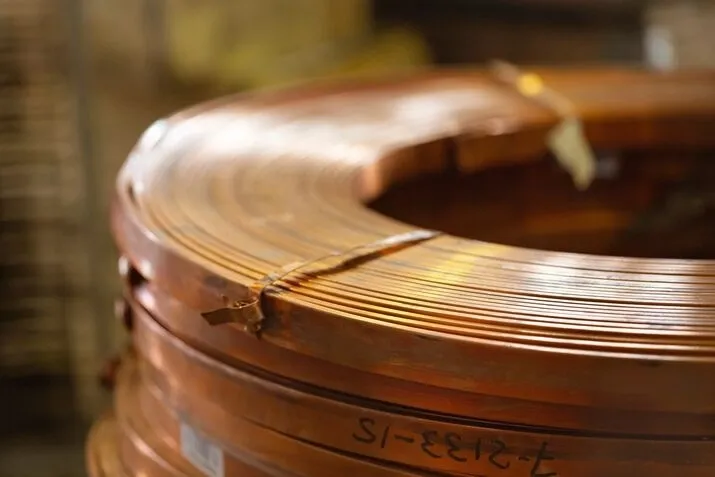

Copper is making headlines as copper prices reach record-breaking highs driven by multiple factors such as supply constraints, weakening of the U.S dollar, high demand due to China’s high economic growth and massive global spending on Artificial Intelligence.
As of 6th January, Copper prices globally have shown a consistent uptrend and hit $13,000 per tonne, with analysts expecting prices to rise further, attracting investors. Let’s review copper prices over the past years, evaluate the impact of the supply deficit, so you can decide if copper deserves a spot in your portfolio.
Why Copper Matters to Investors in 2026
Copper is widely used in construction, electronics and infrastructure due to its excellent conductivity and corrosion resistance. Copper prices are a reliable indicator of global economic health, earning the nickname of Dr Copper.
Unfavourable economic conditions result in decreased construction, consumption and funds for infrastructure. Whereas, good economic health leads to increased construction and infrastructural developments, increasing the demand and prices of copper.
Since copper is an essential metal in multiple sectors and currently facing supply disruptions, resulting in high prices. Due to this, many investors are eyeing the metal and wonder whether copper is worth investing in.
Copper’s Historical Price Trend
Historically, copper prices have been a highly volatile commodity and saw a steady uptrend from 2004 $2,724 per ton hitting a peak of $7,040 per ton in 2008. This uptrend ended and saw a significant dip as prices hit $5,320 in 2009, a result of the Global Financial Crisis (Source: U.S Geological Survey)
From 2009 onwards, as the global economies recovered, so did copper prices. Prices continued to break past records, reaching $8,950 per ton due to high demand from China’s industrialisation and low supply due to declining ore grades.
Copper prices broke past the record of $9,500 per ton in 2022 due to post-pandemic demand exceeding supply, along with a weakening of the U.S dollar. As of 6th January, 2026, copper prices have reached $13,000 per ton, gaining global attention.
Supply Vs Demand For Copper
As the world moves towards more sustainable options such as electric vehicles and renewable energy, copper prices may rise if supply disruptions continue. As per the International Copper Association, global copper reserves are estimated at 870 million tonnes and annual copper demand is 28 million tonnes.
As per IEA org, the global copper demand is steadily increasing and reached 26,717 kt (kilotonne) in 2024 and is predicted to rise to 34,137 kt, indicating strong industrial activity, infrastructural funding and growing electrification requirements. Whereas, the secondary and recycled copper supply is 22,503 kt in 2024, and is expected to rise to 25,428 kt, leaving a significant gap between supply and demand.
BMI predicts the global copper mine production to increase by 3.3% year-on-year in 2026, which is a positive growth as mine output in 2025 increased by 1.3% year-on-year. Refined copper production is currently facing considerable constraints, with production expected to increase by only 1.1% year-on-year in 2026, which is less compared to the 2.7% year-on-year rise in 2025.
Macroeconomics Factors Affecting Copper Prices
The U.S Federal Reserve recently announced a rate cut in December 2025 by 25 basis points. Goldman Sachs Research forecasts further rate cuts, which would provide supportive conditions, resulting in increased industrial demand for metals, with copper being one of them.
On June 30, 2026, the U.S Secretary of Commerce will provide recommendations to the U.S President on whether universal duties on refined copper of 15% from 2027 and 30% from 2028 should be implemented. This crucial event could impact the copper market structure throughout 2026, resulting in a further increase or decrease in copper prices.
Will Copper Prices Continue to Rise?
Most analysts expect copper prices to continue rising in 2026 due to high demand from the green energy sector, the development of data centres to enhance artificial intelligence and the ongoing supply disruptions in copper-producing countries.
However, you may observe some short-term fluctuations as some end-users may delay restocking their copper inventory due to high prices. Potential change in U.S tariffs could also further increase the copper prices, increasing the value of copper investments. But if the mine output and copper supply recovers, it could bring down copper prices.

Though most of the analysts are optimistic about future copper prices, it is necessary to stay updated regarding any new developments in the copper market. The strike at mines in Chile, China's future economic conditions and U.S. tariffs will seriously impact your copper investments. Hence, do your research and take an informed investment decision based on your risk tolerance and return expectations.
About Author
Mariyam Sara
Sub-Editor
holds an MBA in Finance and is a true Finance Fanatic. She writes extensively on all things finance whether it’s stock trading, personal finance, or insurance, chances are she’s covered it. When she’s not writing, she’s busy pursuing NISM certifications, experimenting with new baking recipes.
Read more from Mariyam



















Upstox is a leading Indian financial services company that offers online trading and investment services in stocks, commodities, currencies, mutual funds, and more. Founded in 2009 and headquartered in Mumbai, Upstox is backed by prominent investors including Ratan Tata, Tiger Global, and Kalaari Capital. It operates under RKSV Securities and is registered with SEBI, NSE, BSE, and other regulatory bodies, ensuring secure and compliant trading experiences.
Related articles

Commodity Trading
Best Way to Invest in Gold in India in 2026: Digital Gold vs Gold ETF vs Physical Gold Explained14 min read | Written by Bidita Sen

Commodity Trading
What Is DME and Can It Replace LPG in Indian Kitchens?7 min read | Written by Pradnya Surana

Commodity Trading
Impact of Crude Oil Price Changes on the Indian Middle Class3 min read | Written by Subhasish Mandal

Commodity Trading
Mentha Oil Price in India, Factors Impacting and Benefits2 min read | Written by Subhasish Mandal

Commodity Trading
Is Copper Good for You? Health Benefits, Daily Needs, and Risks4 min read | Written by Mariyam Sara

Commodity Trading
What is Mentha Oil and How To Trade in Mentha Oil?4 min read | Written by Subhasish Mandal

Commodity Trading
Is Crude Oil a Good Investment? Pros, Cons & Alternatives3 min read | Written by Mariyam Sara