RBI's New E-Mandate Rules

Written by Sachin Gupta
Published on April 27, 2026 | 10 min read

Key Takeaways
- OTP is no longer required for recurring payments up to ₹15,000 per transaction.
- SIPs and insurance premiums up to ₹1 lakh now process automatically without authentication.
- The 24-hour pre-debit alert is now your primary security tool, read every one.
- Both UPI AutoPay and bank NACH mandates are covered equally under the new framework.
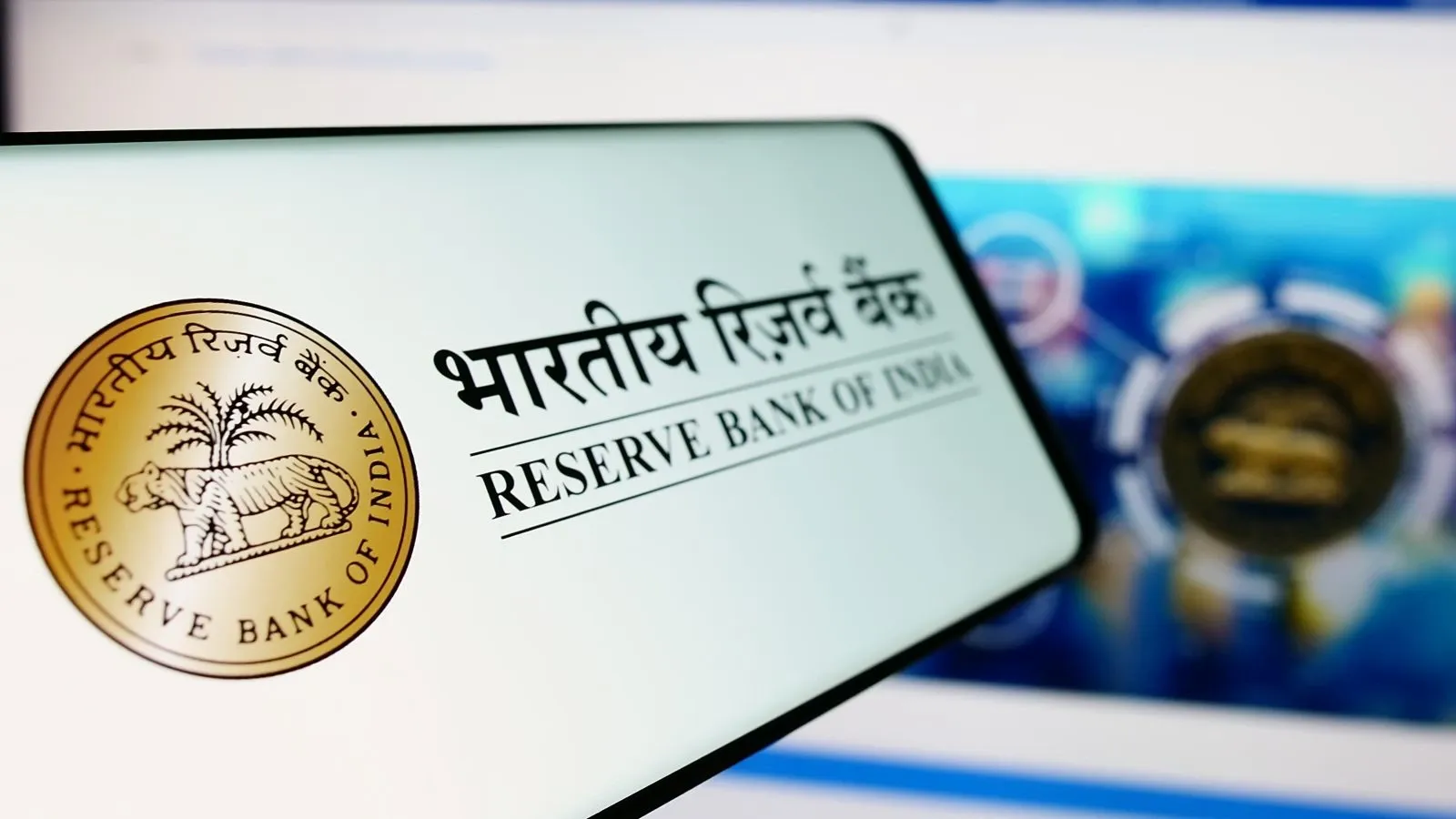
Most regulatory changes require investors to read a disclosure, update a form, restructure any allocation. As per the Reserve Bank of India's (RBI) updated Digital Payments E-mandate Framework, 2026, issued on April 22, investors' intervention will be reduced. But its underlying impact on how systematic investment plans (SIPs) run, how insurance premiums are processed and how recurring financial commitments like equated monthly instalments (EMIs) behave is significant. Hence, investors need a careful understanding of the mandate.
What Does the RBI’s New E-Mandate Do?
The RBI, through its Digital Payments – E-mandate Framework, 2026 (Circular No. RBI/DPSS/2026-27/396 dated April 21, 2026), has removed the need for a fresh OTP for every recurring payment within defined limits. Under this framework, pre-authorised recurring transactions up to ₹15,000 can be processed without additional factor authentication (OTP) after the initial setup. For anyone who has missed an SIP date because an OTP did not arrive in time, or seen an insurance payment fail due to poor network connectivity, this is a direct improvement. The system now relies on one-time approval during mandate registration, after which payments happen automatically within the allowed limit.
What the E-Mandate Framework Actually Changes
An e-mandate is a one-time permission to let your bank or app auto-debit payments like SIPs, insurance, EMIs and subscriptions. Earlier, payments above a limit needed an OTP every time. If you missed the OTP or had poor network, payments could fail, leading to missed SIPs or penalties. Now, Payments up to ₹15,000 can happen automatically after setup, without OTP each time For SIPs, insurance, and credit card bills, the limit is up to ₹1 lakh But some things stay the same, You still need OTP when setting up the mandate The first payment always needs OTP, even if it’s below ₹15,000 So, the goal is to remove the repeated hassle, while keeping your initial authorisation intact.
Bank e-mandate vs. UPI mandate: The Difference
A bank e-mandate (NACH mandate) is a standing instruction registered directly between your bank account and a merchant like your AMC, insurer or lender, through the banking system. A UPI mandate (UPI AutoPay) works differently, it links the recurring payment to your UPI ID and processes through UPI rails via apps like GPay or PhonePe or even bank UPI rather than directly through your bank.
Do the new rules apply to both?
Yes. The 2026 framework applies to recurring payments made through cards, UPI and prepaid instruments.The ₹15,000 general limit and the ₹1 lakh enhanced limit for mutual funds, insurance, and credit card payments apply equally across both rails. So does the 24-hour pre-debit alert and the zero-liability protection.
What is Excluded in RBI New Mandate?
FASTag auto-recharges and National Common Mobility Card top-ups remain outside the scope of these changes and continue under their existing frameworks.
- Investor takeaway - For investors using multiple platforms, whether it is a bank or a UPI mandate, no differential treatment is needed. Both benefit from the same rules and are required to share pre-debit alerts.
The Two Thresholds: General vs. Enhanced
Understanding which limit applies to which payment matters for investors managing multiple mandates.
| Payment Type | Old Behaviour | New Limit Without OTP |
|---|---|---|
| OTT subscriptions, utilities, gym memberships | OTP required above ₹5,000 | ₹15,000 |
| Small EMIs and loan repayments | OTP required above ₹5,000 | ₹15,000 |
| Mutual fund SIP subscriptions | OTP required above ₹5,000 | ₹1,00,000 |
| Insurance premiums | OTP required above ₹5,000 | ₹1,00,000 |
| Credit card bill auto-pay | OTP required above ₹5,000 | ₹1,00,000 |
E-mandate’s Impact on SIPs
The biggest benefit of SIP investing comes from consistency. A SIP that runs regularly for 20 years can create much more wealth than one that misses a few instalments, because even small gaps affect compounding. Earlier, OTP failures were a common reason for missed SIPs. A delayed SMS, poor network, or simply missing the OTP alert could break the investment flow. Under the new framework, SIPs up to ₹1 lakh can now go through automatically after setup, without OTP every month. This removes one of the most common technical reasons for missed SIPs and helps keep compounding uninterrupted.
E-mandate's Impact on Insurance Premiums
Missing an insurance premium is more serious than missing a SIP. A missed SIP delays your investment. But a missed insurance payment can lapse your policy and stop your cover. Earlier, many insurance premiums above ₹15,000 required OTP every time. If you missed the OTP or had poor network, the payment failed. Repeated failures could lead to policy lapse. The new rules reduce this friction. Payments up to ₹1 lakh can now go through automatically after setup. This covers most health and term insurance premiums, so the risk of OTP-related failures is lower. There is also clear evidence of growing adoption. According to data from the National Payments Corporation of India (NPCI), UPI AutoPay processes close to 1 billion recurring transactions every month, and volumes have nearly doubled year-on-year. Mandate creation is also rising fast. Around 35 million new mandates were created in January 2025, more than double the previous year, showing strong user shift toward automated payments. Industry reports suggest that reducing OTP friction improves payment success rates, though exact figures vary by platform. Another improvement is continuity. If your debit or credit card is replaced due to expiry or loss, the mandate can continue in many cases. This removes another common reason for missed payments. Overall, the change reduces both failure risk and user effort, which is critical for something as important as insurance coverage.
The Safeguards That Replace the OTP
Removing OTP for recurring payments doesn’t mean safety is compromised. The system now relies on alerts and quick action instead.
- Banks must send a notification at least 24 hours before any payment. This message shows the merchant name, amount and date of debit.
- You also get an option to cancel the payment or stop the mandate directly from this alert if something looks wrong.
- After the payment, you receive another message with details and how to raise a complaint if needed. Under rules set by the RBI, how quickly you report the fraud determines your protection,
- Within 3 working days - zero liability (you don’t bear any loss)
- Within 4–7 working days - limited liability (you may bear a small capped loss)
- After 7 days - depends on bank policy (protection reduces) Once you report it, the bank must block further fraud immediately and credit the amount (temporary reversal) within around 10 working days as per RBI guidelines. The more promptly you act, the less is your loss. Take away - the 24-hour alert is now your main safety check, and acting quickly if something looks wrong is essential.
What Investors Should Do Now
The new system is already live, but a few simple steps can help you use it better and stay safe. First, review your active mandates. Log into your bank account and check all auto-debits. Cancel any you no longer need. Next, set limits for variable payments. For things like credit cards or utility bills, add a maximum cap so you don’t get unexpectedly large deductions. Also, pay attention to the 24-hour alert. Make sure you receive these notifications on SMS and email, and actually read them. If your SIP is above ₹15,000, check that it is set under the ₹1 lakh limit with your AMC or broker, so payments don’t fail. Finally, don’t ignore your commitments just because payments are automatic. Review your mandates regularly and make necessary amendments if required.

The new e-mandate rules by the Reserve Bank of India are a positive change for long-term investors. They reduce common issues like missed SIPs and accidental insurance lapses caused by OTP failures, while still keeping your control intact through initial approval and alerts. What changes is how security works. Earlier, you actively approved each payment with an OTP. Now, you get a notification and only act if something looks wrong. If you pay attention to these alerts, your protection remains strong. But if you ignore them, the risk increases.
FAQs
What is the RBI's new e-mandate rule in simple terms?
Once you register a recurring payment mandate with your bank or UPI app, future deductions up to ₹15,000 will go through automatically without requiring an OTP each time. For SIPs, insurance premiums and credit card bill payments, this limit is at ₹1 lakh per transaction.
Does this apply to my existing SIP mandates or only new ones?
The new limits apply to all mandates, existing and new, registered under the e-mandate framework. You do not need to re-register or modify anything unless your SIP amount exceeds the applicable limit.
What happens to transactions above ₹15,000 that are not SIPs or insurance?
Any recurring payment above ₹15,000 that does not fall under the enhanced categories, mutual funds, insurance premiums, or credit card bills will still require OTP authentication every cycle.
Is my money safe without the OTP step?
The OTP is replaced by two protections: a mandatory 24-hour pre-debit alert from your bank before every deduction and a zero-liability policy that holds the bank responsible if you report an unauthorised debit promptly. Initial mandate registration still requires full OTP authentication .
What should I do if I see an unexpected pre-debit alert?
Use the opt-out link included in the alert to block that specific transaction before it processes. You can cancel a single payment without cancelling the entire mandate. If a deduction has already gone through unauthorised, report it to your bank immediately, the zero-liability protection applies from the point of reporting, subject to RBI timelines
Does this cover UPI AutoPay mandates set up through apps like GPay or PhonePe?
Yes. The 2026 framework covers recurring payments across cards, UPI, and prepaid instruments. Whether your mandate runs through your AMC's direct NACH integration or through a UPI investment app, the same limits and protections apply. FASTag and National Common Mobility Card top-ups are the only notable exclusions.
Can someone set up a fraudulent mandate on my account under the new rules?
No. Every new mandate,regardless of amount, still requires full authentication at registration. The OTP-free convenience only applies to subsequent payments after a mandate is properly authorised. No recurring deduction can begin without your explicit one-time consent.
About Author
Sachin Gupta
Senior Sub-Editor

is a seasoned financial writer with over eight years of experience across global markets, including Australia, the UK, and New Zealand. He specialises in simplifying complex financial concepts, making them accessible and engaging for a wide range of readers. When he’s not writing or traveling, he can often be found exploring the mountains, drawing inspiration from the calm and clarity of the outdoors.
Read more from Sachin



















Upstox is a leading Indian financial services company that offers online trading and investment services in stocks, commodities, currencies, mutual funds, and more. Founded in 2009 and headquartered in Mumbai, Upstox is backed by prominent investors including Ratan Tata, Tiger Global, and Kalaari Capital. It operates under RKSV Securities and is registered with SEBI, NSE, BSE, and other regulatory bodies, ensuring secure and compliant trading experiences.
Related articles

Personal Finance
Investing in Debt Instruments: Meaning, Types, Benefits, Risks and More13 min read | Written by Sachin Gupta


Personal Finance
Time Value of Money: Meaning, Formula, How to Calculate It?10 min read | Written by Subhasish Mandal

Personal Finance
What is Public Provident Fund: Meaning, Benefits, Risks, Investment Process and More12 min read | Written by Sachin Gupta

Personal Finance
Complete Guide to Debt Investments in India: Types, Benefits, Risks, and More13 min read | Written by Sachin Gupta

Personal Finance
What is E-Insurance Account and How to Open it?12 min read | Written by Subhasish Mandal
Personal Finance
Post Office Time Deposit: A Complete Guide to Interest Rates, Eligibility & Benefits13 min read | Written by Sachin Gupta

Personal Finance
Bond Yields Explained: Understanding Coupon Rate, Current Yield, and YTM11 min read | Written by Sachin Gupta