India's New CPI Series: What Changed, Its Impact on the Economy and Inflation

Written by Mariyam Sara
Published on March 18, 2026 | 7 min read
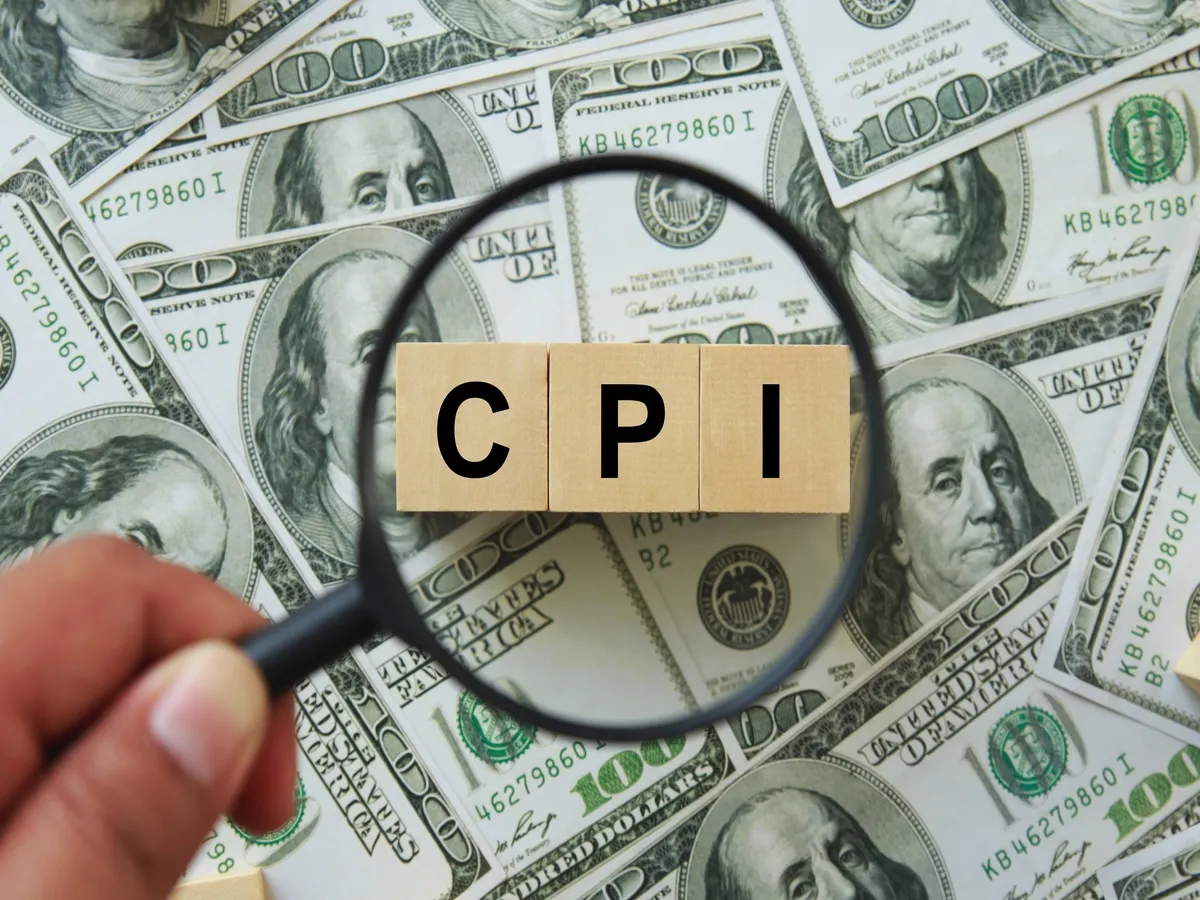

The Ministry of Statistics and Programme Implementation (MoSPI) launched a new CPI series in February 2026 by shifting the base year for CPI computation from 2012 to 2024 in order to account for shifts in household expenditure, market structure, and consumption as reported in the 2023–2024 Household Consumption Expenditure Survey.
A statistical estimate known as the consumer price index (CPI) is derived from a basket of household goods whose prices are periodically recorded. By comparing the current price to that of a particular base year, it is computed as the weighted average of the market price of consumer goods and services. CPI represents the economy’s inflation, which is the erosion of the purchasing power of the people.
In addition to providing an accurate estimate of inflation, the recent changes would directly influence interest rates on loans, EMIs and investment returns. Altering the base year for the CPI calculation is not just a statistical update but changes how inflation is interpreted across the economy.
The new CPI series would aid in the formulation of appropriate monetary policy, the assessment of fiscal policy, wage indexation, government’s welfare schemes, GDP deflation and national accounts.
In this article, you will understand:
- How CPI affects inflation in India
- Impact of CPI on interest rates
- Why the CPI base year changed
Key Takeaways
-
On 12th February 2026, the Ministry of Statistics and Programme Implementation (MoSPI) revised the base year for CPI from 2012 to 2024.
-
The base year revision would offer an enhanced and accurate measure of the prevailing inflation rate and help form relevant policies, poverty estimation, real income calculation and welfare schemes.
-
The new CPI series adopts COICOP 2018 (Classification of Individual Consumption According to Purpose) and classifies the expenditure into 12 divisions, further classified into sub-classes.
-
By reducing food's weight to 36.75% and raising housing and utilities to 17.67%, the new CPI series better reflects current spending habits. This shift provides a more stable and valid framework for calculating headline inflation
How is CPI (Consumer Price Index) Calculated in India?
CPI is a comparison of the average price levels in the market between two time frames, i.e the base year and the current year. To measure the price changes of goods and services availed by an average Indian household, the CPI compiles a basket consisting of certain items.
Old Group-wise Weightage of CPI 2012:
| Category | Weightage (in %) |
|---|---|
| Food & Beverages | 45.86% |
| Pan, Tobacco & Intoxicants | 2.38% |
| Housing | 10.07% |
| Fuel & Light | 6.84% |
| Clothing & Footwear | 6.53% |
| Miscellaneous | 28.32% |
To account for the rising cost of healthcare, house rent and other services, new expenditure groups are added to the basket of goods & services.
New Weightage of CPI 2024:
| Category | Weightage (in %) |
|---|---|
| Food & Beverages | 36.75% |
| Housing, Water, Electricity, Gas and Other Fuels | 17.67% |
| Furnishing, Household Equipment & Routine Household Maintenance | 4.47% |
| Clothing & Footwear | 6.38% |
| Pan, Tobacco & Intoxicants | 2.99% |
| Health | 6.10% |
| Transport | 8.80% |
| Information & Communication | 3.61% |
| Recreation, Sport & Culture | 1.52% |
| Education Services | 3.33% |
| Restaurants & Accommodation Services | 3.35% |
| Personal Care, Social Protection & Miscellaneous Goods & Services | 5.04% |
Newly Added Items:
- Rural housing
- Online media service provider/Streaming services
- Value-added dairy products
- Barley & its product
- Pen-drive & External Hard disk
- Attendant
- Babysitter and Exercise equipment
Items Removed:
- VCR/VCD/DVD player and hiring charges
- Radio
- Tape recorder
- Clothing second-hand
- CD/DVD audio/video cassettes
- Coir/rope
Formula for Consumer Price Index (CPI)
CPI = (Current Cost of Basket / Base Year Cost of Basket) x 100
For example, if the basket of goods costs around ₹5,000 in the base year and costs ₹6,000 in the current year.
CPI = (6,000 / 5,000) x 100
= 120%
New CPI vs Old CPI: What Changed?
The new CPI provides a comprehensive measure of inflation reflecting the consumption and change in expenditure of different population groups. MoSPI used data collected from the Household Consumption Expenditure Survey (HCES) 2023-24 to optimise the CPI based on basket and expenditure weights.
By changing the base year and the basket of items, the revised CPI series aims to improve the accuracy and reliability of CPI estimates, enhance methodological transparency and support better-informed policymaking.
Impact of the New CPI on the Economy
The new CPI series moves the focus from inflation estimates driven by food & beverages to service consumption, making inflation tracking more accurate. Heavier weights are given to service sectors and methodologies are improved to measure house rents by including utility expenses, which would represent a more accurate inflation. This will help enhance the RBI’s inflation-targeting framework, which could improve credit flow and lower borrowing costs across the economy.
If the new CPI calculation signals higher inflation, then the RBI could tighten the interest rate, diminishing the return on debt instruments, increasing equity returns and lowering gold prices.
The base year changed from 2012 to 2024 to reflect the change in consumer spending and offer a better economic indicator by considering that households spend more on services, technology and health than on food. If the new comprehensive CPI shows higher inflation, it would increase nominal wages to maintain the purchasing power of consumers.
Impact of the New CPI on Indian Households
The new CPI optimises the inflation measures by covering more modern services and products and removing outdated items from the basket of goods that are no longer used by an average Indian household. The CPI calculation will account for house rent, education costs, health and transportation expenses that define budgeting, savings and loan affordability. This will provide an accurate picture of a household’s current expenditure, leading to an accurate inflation rate.
Due to the rising cost of education, housing and transportation, a higher weightage is assigned to these to represent a more realistic increase in the household’s spending. Since food items now carry less weightage, the total inflation estimated would be less influenced by volatile food prices and provide a stable estimate that would aid the RBI in framing better-informed monetary policies.
According to the new CPI series, the inflation rate for January 2026 (Base Year = 2024) was estimated to be 2.75% (Urban + Rural), which is significantly higher than the CPI calculated for December 2025, i.e 1.3% using the old CPI series.

The revised CPI series offers a more accurate measure of inflation, which would help policymakers and the government frame policies and schemes, offering better monetary aid to the general public. Track the inflation readings calculated as per the new CPI method to anticipate changes in interest rates, loan affordability and your purchasing power so you can make informed investment decisions.
FAQs
What is CPI?
CPI is a statistical estimate used to determine the inflation rate within a country by comparing the current year’s prices of a collection of goods and services to those of the base year.
What is the formula for calculating CPI?
Formula for Consumer Price Index (CPI)
CPI = (Current Cost of Basket / Base Year Cost of Basket) x 100
How will the new CPI Series Impact the Indian Economy?
The new CPI Series would offer an accurate and realistic view of inflation, helping policymakers and the government frame relevant policies and schemes, providing the right financial support to the citizens.
How will the new CPI Series Impact the Interest rates?
If the new CPI series calculates a higher inflation rate, the RBI will likely increase the interest rate, resulting in expensive loans, high EMIs and lower consumer and business spending.
About Author
Mariyam Sara
Sub-Editor
holds an MBA in Finance and is a true Finance Fanatic. She writes extensively on all things finance whether it’s stock trading, personal finance, or insurance, chances are she’s covered it. When she’s not writing, she’s busy pursuing NISM certifications, experimenting with new baking recipes.
Read more from Mariyam





















Upstox is a leading Indian financial services company that offers online trading and investment services in stocks, commodities, currencies, mutual funds, and more. Founded in 2009 and headquartered in Mumbai, Upstox is backed by prominent investors including Ratan Tata, Tiger Global, and Kalaari Capital. It operates under RKSV Securities and is registered with SEBI, NSE, BSE, and other regulatory bodies, ensuring secure and compliant trading experiences.
Related articles
Personal Finance
India’s New GDP Series With Revised Base Year 2022-23: How it Impact Investors?4 min read | Written by Subhasish Mandal

Personal Finance
LPG Shortage in India: Energy, Inflation and Equity Loop3 min read | Written by Subhasish Mandal

Personal Finance
Securities Transaction Tax (STT): Features, Importance, and Impact on Traders3 min read | Written by Subhasish Mandal


Personal Finance
Ladki Bahin Yojana eKYC: Eligibility Criteria, Application Process and How to Complete the E-KYC Process Online?3 min read | Written by Mariyam Sara
Personal Finance
What is the National Pension System (NPS) Scheme?4 min read | Written by Subhasish Mandal

Personal Finance
Corporate Bonds vs Government Securities - Which Is Better for You?3 min read | Written by Pradnya Surana