What Are Bull Markets and Bear Markets

Written by Mariyam Sara
Published on November 27, 2025 | 3 min read
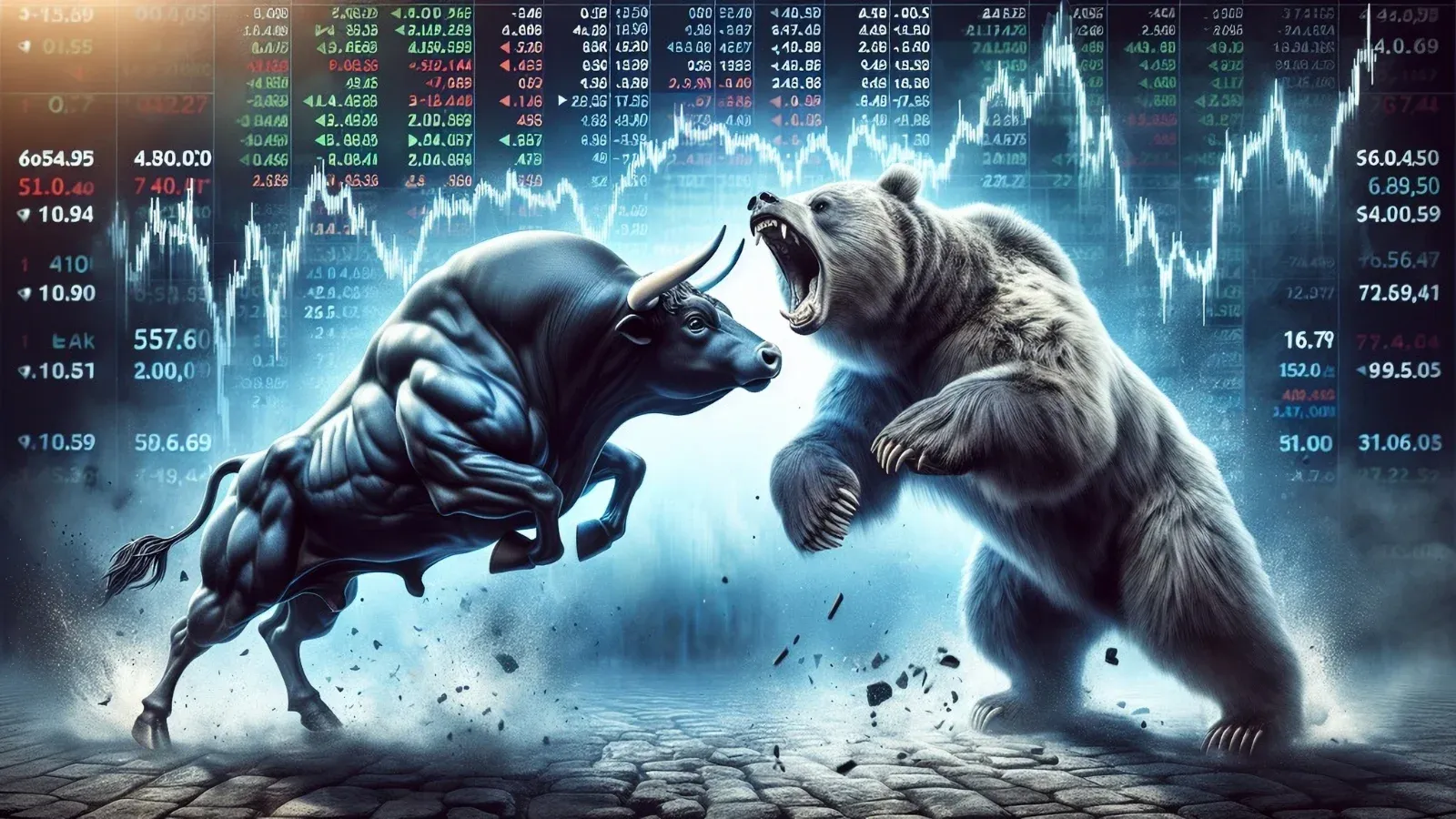

The two main components of a securities market are the bulls and the bears; in this context, we aren’t talking about animals, but rather the buyers and sellers in the market.
In the stock market, buyers are called ‘Bulls’ because they push the stock price up like a bull thrusts its horns up, whereas sellers are referred to as ‘Bears’ because they drop the price down by selling like a bear smacking its paw down.
Let’s understand in detail what bullish and bearish markets are, their indicators and how to invest in them.
What Is a Bull Market?
In a Bullish Market, the prices are steadily rising with favorable economic conditions. It shows the positive outlook of the investors and traders as they accumulate securities, expecting the prices to rise in the future. Due to rising demand and buying activity among participants and the reduction in supply, securities prices rise.
A bullish market represents the investors’ confidence in economic growth and high future expectations or profitable opportunities.
What Is a Bear Market?
In a bearish market, the prices are consistently falling during economic uncertainty and downturns. It shows traders and investors’ expectations of further decline, causing them to sell their securities and cut losses. Due to the influx of high supply and low demand, securities prices drop.
A bearish market reflects investors' anxiety and pessimism about the market's future performance and the risk it involves.
Indicators of Bull Markets
When you see a steady increase in securities prices over an extended period of time, it is one of the key indicators of a bull market. Here are some other indicators of the Bull market.
Strong GDP Growth
A strong GDP growth represents the increased consumption and spending of the masses, which drives economic growth. GDP growth is a crucial indicator of a bull market.
High Corporate Earnings
In a bull market, companies report high earnings that attract investors and build their confidence in the market. High earnings translate to future expansion opportunities and capital appreciation for investors.
Favorable Government Regulations
When the government cuts tax rates and provides financial incentives, it encourages growth and is a strong indicator of a bullish market.
High Trading Volume
In a bull market, the trading volume is high as more investors and traders participate, indicating strong demand and confirming an uptrend in prices.
Low Unemployment
As company earnings rise, expansion and growth opportunities increase which create more job opportunities, leading to an increase in employment in the economy.
Indicators of Bear Market
In a Bear market, the market prices are in a sustained downtrend, which is a clear indicator of a bear market. Here are some other indicators that help you spot a bear market so you can optimize your investment strategy.
Prolonged Downward Trend in Major Indices
In a bear market, major indices such as NIFTY50, NIFTY Bank and SENSEX show a consistent downtrend in prices. This is one of the key indicators for investors that they are heading towards a bear market.
Declining GDP
A decline in GDP indicates economic downturns, leading to a bear market. In a weak economy, investors sell their securities and try to reduce their risk of loss of capital invested.
Rising Inflation & Interest Rates
Inflation is the eroding purchasing power of your money and is one of the indicators of a bear market. To control inflation, central banks increase interest rates, which makes borrowing difficult and costly for companies, hindering their growth.
Decline In Corporate Earnings
Low consumer spending and a weak economy lead to weaker corporate earnings, making it unattractive for investors. A reduced corporate profit leaves limited funds and scope for future expansion and growth.
High Unemployment
Unlike in a bull market, the economy is experiencing high unemployment, which signals that companies are unable to sustain themselves financially, leading to mass layoffs. This is a significant indicator of a bear market.
What to Do in Bull & Bear Markets?
In a bull market, take advantage of the uptrend in prices by buying or holding your securities early on and selling them at a profit when they hit a peak. During a bull market, price corrections are minor and temporary, so investors can invest confidently even in riskier investments like equities.
In a bear market, the risk of loss is high as the prices are in a consistent downtrend with no certainty of recovery. In such market conditions, investors must seek safe investments like government securities, which offer moderate yet fixed income.
If you do your research well, you can take advantage of the falling prices and buy quality securities at low prices, but you are likely to see future prices fall before a turnaround.
For example, Defensive Stocks, belonging to companies selling essential goods and services such as healthcare, utilities, and consumer goods, outperform in the bear market during economic downturn.

Both bar and bull markets are essential components of the markets, and help investors gauge market sentiments and adjust their investment strategy. Knowing how to navigate the bull and bear markets will help you reach your long-term and short-term financial goals without any disruptions.
About Author
Mariyam Sara
Sub-Editor
holds an MBA in Finance and is a true Finance Fanatic. She writes extensively on all things finance whether it’s stock trading, personal finance, or insurance, chances are she’s covered it. When she’s not writing, she’s busy pursuing NISM certifications, experimenting with new baking recipes.
Read more from Mariyam

















Upstox is a leading Indian financial services company that offers online trading and investment services in stocks, commodities, currencies, mutual funds, and more. Founded in 2009 and headquartered in Mumbai, Upstox is backed by prominent investors including Ratan Tata, Tiger Global, and Kalaari Capital. It operates under RKSV Securities and is registered with SEBI, NSE, BSE, and other regulatory bodies, ensuring secure and compliant trading experiences.
Related articles





Online Trading
What Are High-Yield NCDs? A Beginner’s Guide to Safer Fixed-Income Investing3 min read | Written by Mariyam Sara

Online Trading
Understanding the Put-Call Ratio: A Key Indicator for Market Sentiment and Trading Strategies5 min read | Written by Dev Sethia

Online Trading
Is Forex Trading Legal in India? All You Need to Know About Legalities and Penalties6 min read | Written by Dev Sethia
Online Trading
Understanding Profit After Tax (PAT): What It Means for Investors and Businesses5 min read | Written by Dev Sethia