The Importance of the Cash Flow Statement

Written by Pradnya Surana
Published on December 24, 2025 | 3 min read
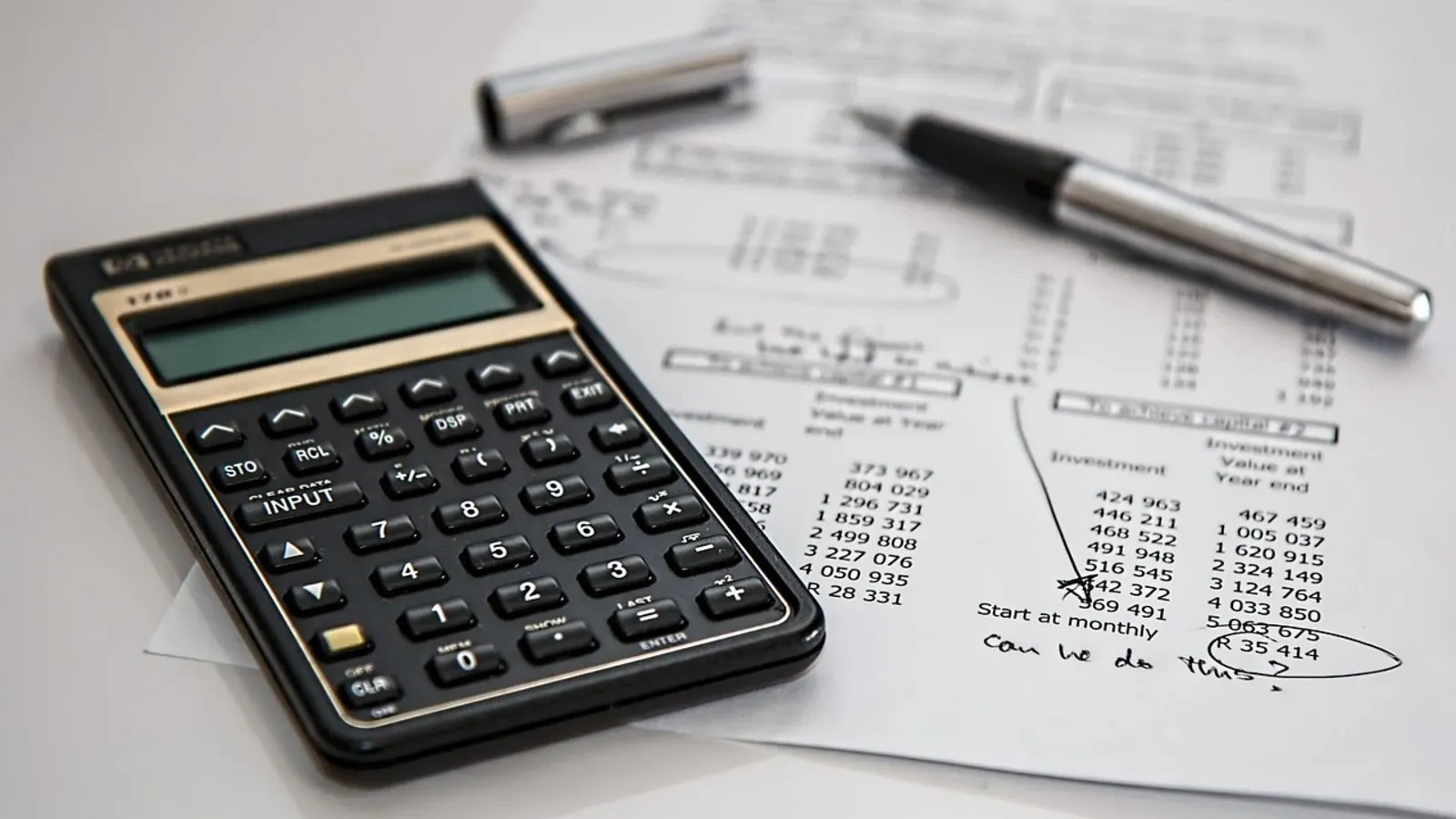

In 2001, Enron Corporation reported impressive profits on its income statement and still the company collapsed within months. A few investors did look beyond profits at Enron’s cash flow statement and sensed all is not good; in fact, they saw a fall coming. Because even though the profits were huge, the company wasn't generating enough cash. This incident highlighted why a cash flow statement is just as important as a profit and loss account. While profits can be manipulated through accounting techniques, cash is raw and tells the real story of a business's financial health. As the saying goes in finance ‘Revenue is vanity, profit is sanity, but cash is reality.
What is a Cash Flow Statement?
Take a look at your year's bank statement. It will have a record of all your incoming cash, be it salary, interest, dividend, rent, etc. and of your expenses like rent, loan instalments, purchases, etc. Similarly, a cash flow statement tracks all cash movements of a business. It is a record of how much actual cash came into and went out of a company during a specific period. The time period is usually a month, quarter or year. It tracks every rupee that enters and leaves the business, giving a clear picture of the business's liquidity and ability to meet its expenses.
Why is it Important?
Many businesses that show profits on paper actually struggle with cash. Say, for a given period, a company might have sales of ₹10 crore, due to which revenue generation looks good on paper. But if the customers haven’t paid, then there is a cash flow issue. Your business has already incurred expenses in manufacturing and supplying goods, but now it won't have cash to fund further manufacturing.
Cash flow statements reveal the reality. To business owners, investors and lenders, it answers critical questions like, can the company pay its bills, salary, and loan installments on time? Is it investing right? Is it relying too heavily on loans?
Components of Cash Flow Statement
The cash flow statement is divided into three sections, each showing cash movement of different business activities.

Cash flow from operating activities
This section shows the cash movement of core business operations. It shows cash received from customers, cash paid to run operations like rent, utility bills, salaries and vendor payments. A positive cash flow is a healthy sign, indicating the company can run its operations by selling its products and services. For eg, Infosys shows a healthy cash flow as it collects its payments quickly and has low inventory cost. Negative cash flow for long periods is a warning sign. It shows the business isn't generating enough cash by selling its products and services and may have to rely on loans or sell its assets to run the business.

Cash flow from investing activities
This section shows cash used for or received from investing in long-term assets. A company might be buying or selling property, machinery or equipment. Also, a company might be investing or selling its securities or deposits. All of this information comes under cash flow investing activities.
High-growth companies usually have a negative cash flow here as they are investing heavily in their expansion. For example, when Reliance Jio built its telecom infrastructure, it showed massive negative cash flow. However, this negative cash flow could be justified as it was an investment for future growth. Similarly, a positive cash flow here may mean that the company is selling its assets to meet its expenses, indicating financial distress.

Cash flow from financing activities
This section shows how the company finances itself. It shows cash received by issuing shares, taking loans and payments such as dividends, loan repayments, share buy-backs and bonuses. When a startup raises funding, it shows positive cash flow from financing. When an established company pays dividends to shareholders or repays debt, it shows negative cash flow here.
Thus, these three sections reveal clearly from which activity the cash is coming and, importantly, which activity is funding what. For example, negative cash flow from operating activities and positive cash flow from financing activities indicate the business is currently running from financing and not by core business activities.
How to Read a Cash Flow Statement?
A healthy business has positive cash flow from operating activities, negative cash flow from investing activities and balanced cash flow from financing activities. Any discrepancy needs to be analysed and validated before making an investment decision.

While the income statement shows profitability and the balance sheet shows financial status at a point in time, the cash flow statement reveals the most important aspect of all. It's whether the business has enough cash to survive and grow. For investors, creditors and business owners, it's an indispensable tool for decision-making.
About Author
Pradnya Surana
Sub-Editor
is an engineering and management graduate with 12 years of experience in India’s leading banks. With a natural flair for writing and a passion for all things finance, she reinvented herself as a financial writer. Her work reflects her ability to view the industry from both sides of the table, the financial service provider and the consumer. Experience in fast paced consumer facing roles adds depth, clarity and relevance to her writing.
Read more from Pradnya



















Upstox is a leading Indian financial services company that offers online trading and investment services in stocks, commodities, currencies, mutual funds, and more. Founded in 2009 and headquartered in Mumbai, Upstox is backed by prominent investors including Ratan Tata, Tiger Global, and Kalaari Capital. It operates under RKSV Securities and is registered with SEBI, NSE, BSE, and other regulatory bodies, ensuring secure and compliant trading experiences.
Related articles




Online Trading
What Are High-Yield NCDs? A Beginner’s Guide to Safer Fixed-Income Investing3 min read | Written by Mariyam Sara

Online Trading
Understanding the Put-Call Ratio: A Key Indicator for Market Sentiment and Trading Strategies5 min read | Written by Dev Sethia

Online Trading
Is Forex Trading Legal in India? All You Need to Know About Legalities and Penalties6 min read | Written by Dev Sethia
Online Trading
Understanding Profit After Tax (PAT): What It Means for Investors and Businesses5 min read | Written by Dev Sethia

Online Trading
Understanding FIIs and DIIs: The Market Movers of Indian Indices7 min read | Written by Dev Sethia