Significance of Session Prices in Financial Markets

Written by Pradnya Surana
Published on December 04, 2025 | 2 min read
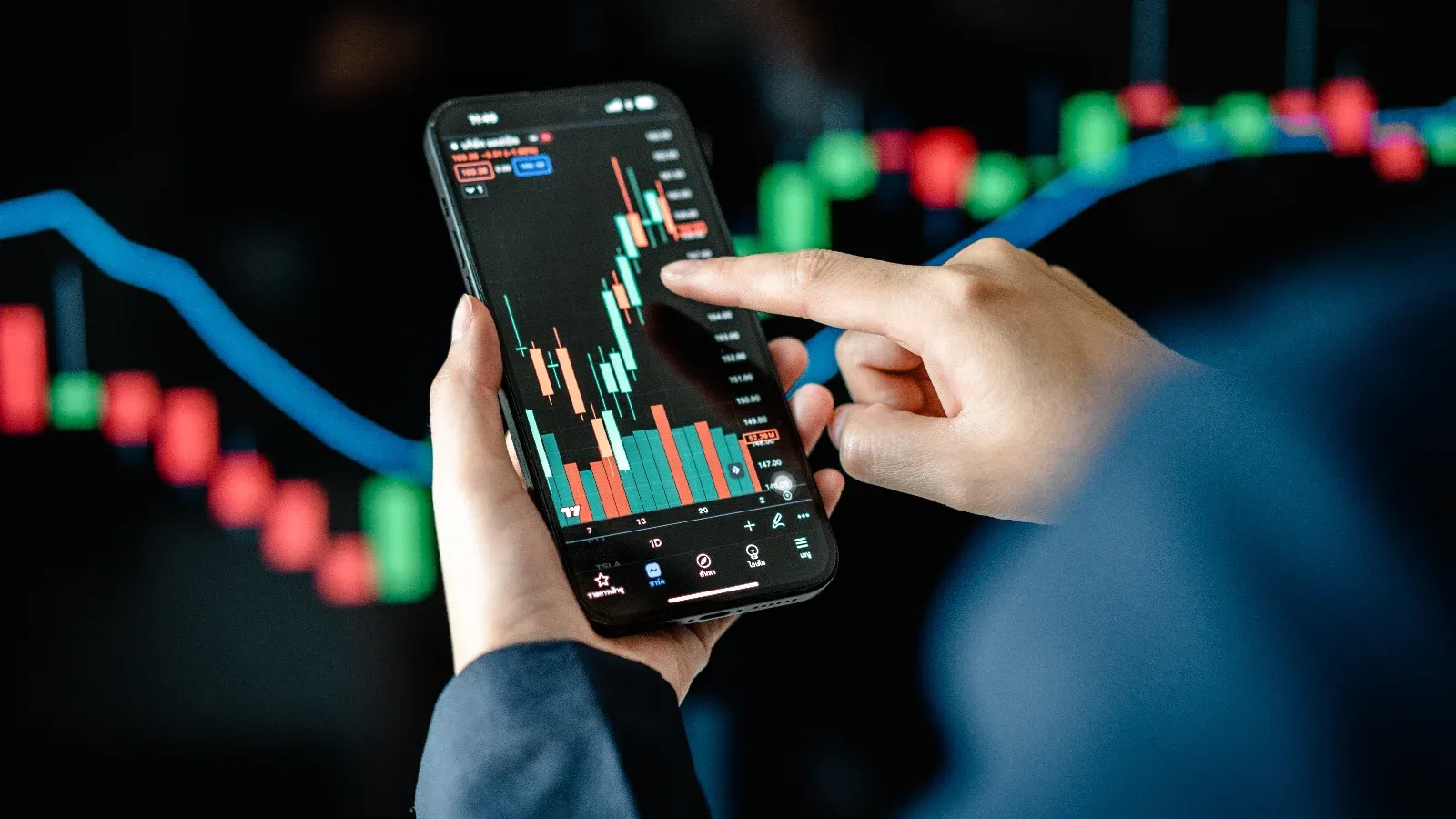

The world of financial trading exists because of constantly changing prices. Stocks, commodities, interest rates, currencies and indices across the world continuously keep changing. News, expectations, macroeconomics and microeconomics all keep these prices changing because of which buying and selling happen in financial markets. Of all the prices that traders monitor, session prices hold significant importance.
Let’s understand in detail what session prices are.
What Are Session Prices?
A ‘session’ is the time period during which a financial market is open for trading. You must have heard the term ‘trading session’. So, for example, the Bombay Stock Exchange’s trading session is from 9-15 am to 3-30 pm. Similarly, every stock market like New York, Tokyo or Singapore, has its own sessions.
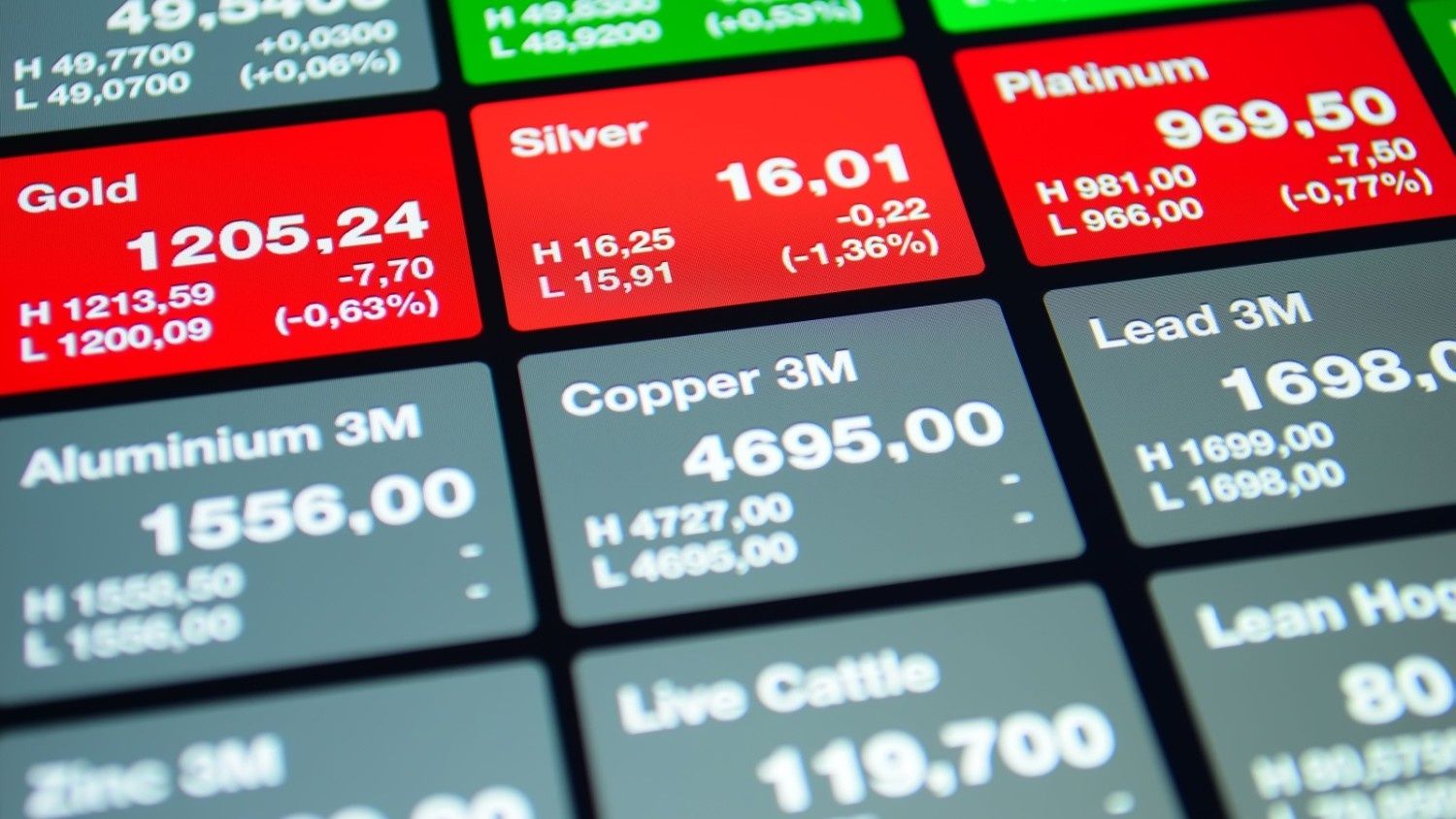
During each trading session, the prices of market-linked financial instruments keep fluctuating. Of all the prices, four main price points are recorded. They are,
- Opening price - The first traded price when the market opens
- Closing price - The final traded price when the market closes
- High price - The highest price reached during that session
- Low price- The lowest price recorded during that session
These prices can be tracked for overall indices, sectoral indices, mutual funds, individual stocks or any other market-linked instruments.
Together, these prices give traders a snapshot of how the markets and market-linked instruments behaved over the day. Whether its prices were stable or volatile. The difference between these prices also reflects the direction and momentum of markets and market-linked products.
Why Do Session Prices Matter?
Session prices matter because they reveal patterns and help traders evaluate the strength or weakness of a move. Here are some of the main reasons they are so significant.
A Measure of Market Sentiment
Session prices reflect how confident or cautious investors are.
- A rising closing price suggests buyers were in control.
- A falling closing price indicates sellers had the upper hand.
- A wide gap between the high and low prices reflects volatility. This volatility is mainly due to possible uncertainty and some relevant breaking news.
These signals help traders judge whether the overall sentiment is optimistic, fearful or undecided.
Primary Reference Points for Analysis
The candlestick pattern, which forms the basis of technical analysis, is derived from session prices. The opening, high, low and closing prices form the foundation of candlestick patterns, trend analysis and momentum indicators.
For example, a candle that closes near its high, when the closing price is very near to high price, indicates bullish strength. Vice versa, one that closes near its low, closing price near its low, may reveal weakness.
Session prices also play a major role in identifying support and resistance levels. Support level is the lowest price below which the
Impact on Trading Strategies
Some trading strategies are built entirely around session prices. For instance,
- Breakout strategies use the high and low prices to identify entry points.
- Gap trading uses differences between the previous session’s close and the next session’s open.
- Day traders rely on early session prices to judge momentum for the rest of the day.
These strategies work because session prices give clues about supply and demand. Traders can anticipate short-term moves.
Useful for Risk Management
Because session prices show the range of trading activity, they help investors understand potential risks.
A large difference between the high and low prices of any instrument, individual stock or overall indices themselves, may be a signal of unstable conditions. Such conditions can be a warning sign to use tighter stop-loss orders or reduce position sizes. In contrast, a small daily range often means lower volatility, which may suit more cautious traders.

Session prices, prima facie, may look like mere numbers, but they help traders in various ways. Traders can gauge the market sentiment, decide their trading strategies and manage risk.
Even new investors can get a hang of the market by studying and analysing session prices. Understanding these price points turns raw data into valuable insight, helping anyone steer the financial markets with greater confidence.
About Author
Pradnya Surana
Sub-Editor
is an engineering and management graduate with 12 years of experience in India’s leading banks. With a natural flair for writing and a passion for all things finance, she reinvented herself as a financial writer. Her work reflects her ability to view the industry from both sides of the table, the financial service provider and the consumer. Experience in fast paced consumer facing roles adds depth, clarity and relevance to her writing.
Read more from Pradnya











Upstox is a leading Indian financial services company that offers online trading and investment services in stocks, commodities, currencies, mutual funds, and more. Founded in 2009 and headquartered in Mumbai, Upstox is backed by prominent investors including Ratan Tata, Tiger Global, and Kalaari Capital. It operates under RKSV Securities and is registered with SEBI, NSE, BSE, and other regulatory bodies, ensuring secure and compliant trading experiences.
Related articles



Online Trading
What Are High-Yield NCDs? A Beginner’s Guide to Safer Fixed-Income Investing3 min read | Written by Mariyam Sara

Online Trading
Understanding the Put-Call Ratio: A Key Indicator for Market Sentiment and Trading Strategies5 min read | Written by Dev Sethia

Online Trading
Is Forex Trading Legal in India? All You Need to Know About Legalities and Penalties6 min read | Written by Dev Sethia
Online Trading
Understanding Profit After Tax (PAT): What It Means for Investors and Businesses5 min read | Written by Dev Sethia