Currency Derivatives: Meaning, Types, Benefits, and Risk

Written by Subhasish Mandal
Published on July 31, 2025 | 3 min read
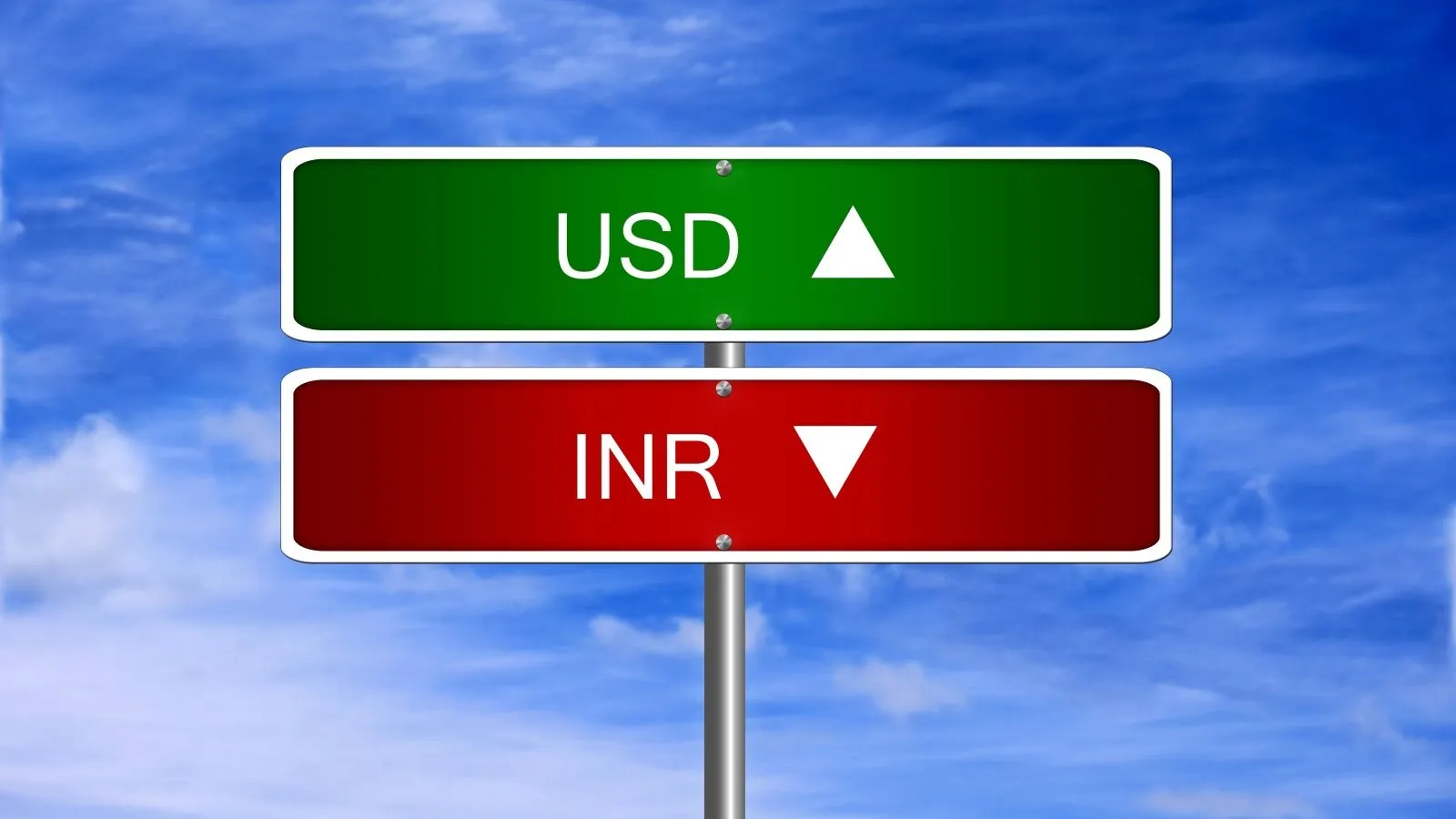

Currency derivatives are futures and options (F&O) contracts traded on exchanges, similar to equity and commodities contracts. What distinguishes these derivatives is that their underlying assets consist of currency pairs such as USD/INR, EUR/INR, JPY/INR, and GBP/INR.
In equity and commodity derivatives, only one underlying asset drives the value, whereas in currency derivatives, a pair of currencies is involved.
These contracts are mainly used for hedging against currency risk and for short-term trading purposes.
This article highlights what currency derivatives are, their types, benefits, and how you can begin trading in currencies.
Key Takeaways:
- Currency derivatives are financial contracts that derive value from an underlying asset named currency.
- In India, 4 currency pairs are actively traded: USD/INR, EUR/INR, JPY/INR, and GBP/INR.
- These contracts are used by institutions, businesses, and investors to hedge against exchange rate fluctuations.
Currency Derivatives in India
Currency derivatives are the exchange-traded contracts that derive their value from the underlying asset named currency. A trader buys or sells the specified currency units to lock today’s price for a future date.
These contracts are heavily used by importers and exporters to hedge against domestic currency fluctuations.
In India, currency derivatives trading is provided by NSE, BSE, and MSE exchanges. However, the most active exchange for currency trading in terms of volume is NSE.
There are 4 types of currency pairs open for trading and have decent volume:
- USD/INR
- EUR/INR
- GBP/INR
- JPY/INR
Apart from these, the RBI only permits four cross-currency pairs: EUR USD, GBP USD, EUR GBP, and USD JPY for trading on Indian exchanges. However, the trading volume on the cross-currency pairs in India is very low.
Lot Size Details for Currency Pairs
- In the USD/INR contract, 1 lot denotes 1000 USD.
- EUR INR, 1 lot denotes 1000 EURO.
- GBP INR, 1 lot denotes 1000 Pound sterling
- JPY INR, 1 unit denotes 10,0000 Yen.
Types of Currency Derivatives
The currency derivatives are classified into 4 types. Futures, options, forwards, and swaps. The first two types, futures and options, are traded on a regulated stock exchange, whereas the other two, forward and swaps, are traded on the over-the-counter markets.
Currency Futures
These are standardised contracts where two parties agree to exchange a specific amount of one currency for another currency. This exchange happens at an agreed price on a specified future date.
Currency Options
Currency options give the holder the right but not the obligation to buy or sell currency pairs. These make currency options more flexible than futures. They come in two options: call options and put options.
Forwards
These are similar to futures but are customised by the involved parties. Unlike futures, forwards are traded over the counter (OTC).
Swaps
Currency swaps involve exchanging principal and interest payments in different currencies between parties over time. They are commonly used by banks and financial institutions to manage long-term exposure and financing costs.
Benefits of Trading in Currency Derivatives
Trading in currency derivatives has different benefits. Some of the key benefits are as follows:

Hedging
Trading in currencies can help individuals and businesses to hedge against exchange rate fluctuations. It reduces the uncertainty in international trade and investment.

Quick Gains
Currency trading helps a trader to capitalise on the short-term price movements.

High Leverage
These derivative contracts provide high leverage, meaning you can trade with a low investment.
How to Trade in Currency Derivatives Via Upstox?
To invest in currency derivatives via Upstox, follow the steps below:
- Open a demat account with Upstox
- Activate the currency derivatives segment
- Add funds to your trading account
- Search for USD INR or any other pair in the search box
- Analyse the forex market sentiment
- Do technical analysis
- Place a buy or sell order in any of the currency pairs based on your analysis.
Risk Involved in Currency Derivatives Trading
Trading currency derivatives carries risk, such as:
Market Risk
Currency markets are highly volatile, and prices are impacted by economic data releases, geopolitical events, and more.
Leverage Risk
These contracts are highly leveraged, which can negatively impact your trading performance if the price goes in the opposite direction.
Interest Rates Risk
Changes in interest rates can directly impact the currency pairs. Traders must closely track the central bank’s policy decisions.
Counterparty Risk
In the OTC derivatives, if the counterparty fails to meet its commitments, it can lead to significant loss for the other party.

Currency derivatives are an important part of financial markets. They help businesses, banks, and investors to manage the exchange rate fluctuations and improve financial stability.
Instruments such as futures, options, forwards, and swaps provide flexibility, liquidity, and opportunities for both hedging and speculation.
In short, currency derivatives contribute to efficient price discovery and support global trade and investment activities.
About Author
Subhasish Mandal
Sub-Editor
Finance professional with strong expertise in stock market and personal finance writing, he excels at breaking down complex financial concepts into simple, actionable insights. Holding a Master’s degree in Commerce, he combines academic depth with practical knowledge of technical analysis and derivatives.
Read more from Subhasish

















Upstox is a leading Indian financial services company that offers online trading and investment services in stocks, commodities, currencies, mutual funds, and more. Founded in 2009 and headquartered in Mumbai, Upstox is backed by prominent investors including Ratan Tata, Tiger Global, and Kalaari Capital. It operates under RKSV Securities and is registered with SEBI, NSE, BSE, and other regulatory bodies, ensuring secure and compliant trading experiences.
Related articles


Futures and Options
What is the Expiration Time in Options Trading?4 min read | Written by Mariyam Sara

Futures and Options
How to Trade in Options with Small Capital: Strategies for Success6 min read | Written by Upstox Desk

Futures and Options
Top 5 Futures Trading Strategies You Should Know in 20262 min read | Written by Mariyam Sara
Futures and Options
Best Ways To Calculate Commodity Price Risks: Understanding The Main Risks Involved5 min read | Written by Upstox Desk
Futures and Options
Commodities Speculators: More Rewards Than Risks?5 min read | Written by Upstox Desk