What Is Copper Trading? A Beginner’s Guide

Written by Mariyam Sara
Published on December 15, 2025 | 2 min read
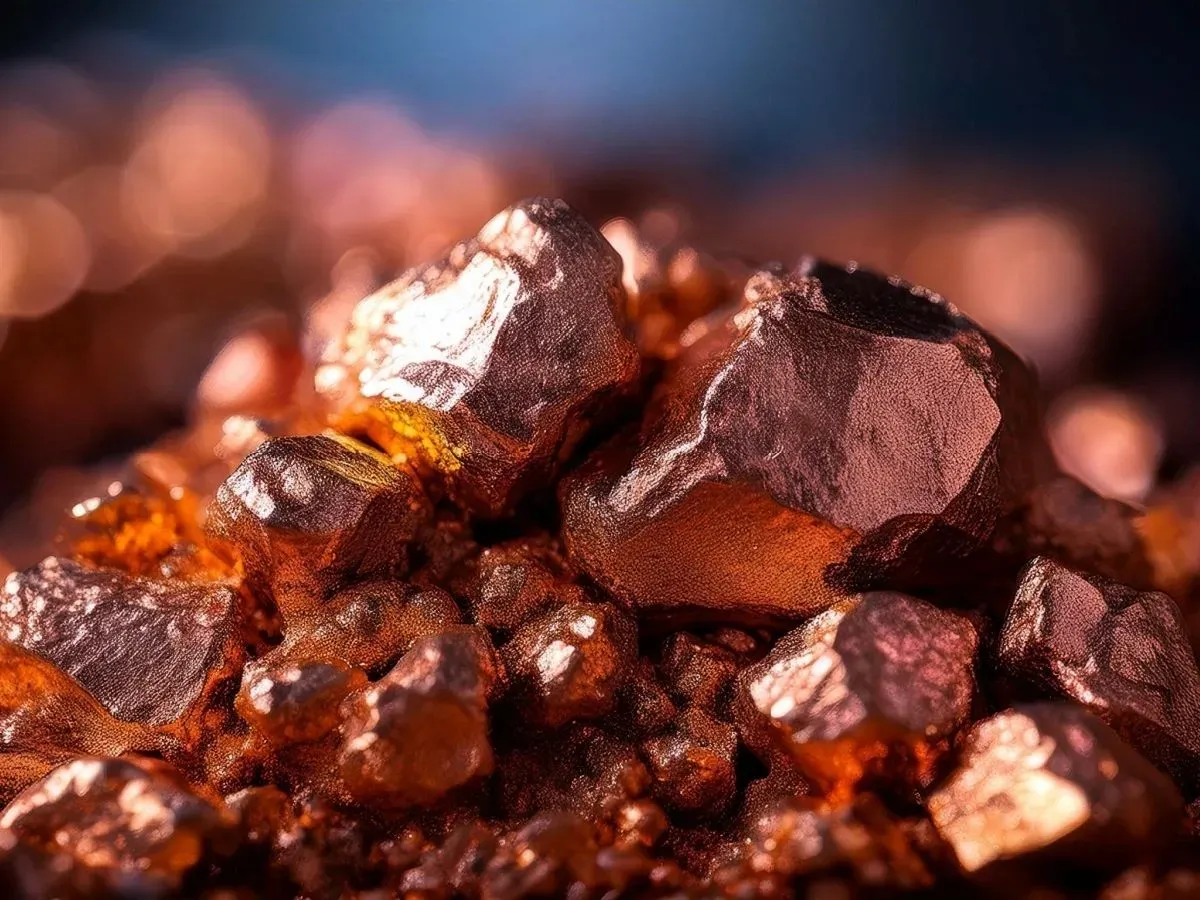

While most of the traders trade gold and silver, there’s another metal much more in demand but often overlooked: Copper. Everyone may not own gold and silver, but they do indirectly own copper. You will find copper in your phones, electrical wiring, EVs, etc. Due to high use of copper in manufacturing, this base metal has high industrial demand.
Let’s explore copper as a commodity and how you can trade copper as a beginner.
What Is Copper Trading?
Copper trading is the buying and selling of copper through futures contracts on the Multi-Commodity Exchange (MCX). Traders use futures contracts to hedge against price movements of copper and speculate on its price to gain profit by leveraging the price volatility. This volatility is a result of supply/demand dynamics, global economic conditions and geopolitical events.
Copper is a highly liquid commodity, which makes entry and exit easy for traders, similar to gold and crude oil. And its prices often reflect the global economic health since it's necessary for construction, electronics and green energy.
A fall in copper prices often indicates weakening of the global economic health, which leads to decreased infrastructural developments, reduced industrial demand, signalling lower output due to decreased consumer spending.
Factors Influencing Copper Prices
Copper prices are volatile, so before you start trading copper, you need to understand the factors and their impacts on copper prices.
Economic Conditions
In a robust economy, there is increased infrastructural development and manufacturing of products which require copper. This leads to high demand for copper, causing an increase in its price. In times of unfavorable economic conditions, development and production see a dip, which reduces the demand and prices of copper.
Supply & Demand Dynamics
Geopolitical tensions and trade wars among copper-producing countries such as Peru, Chile and Congo result in supply disruptions. Since copper is usually high in demand due to its heavy use in manufacturing electronics, appliances and other machinery, insufficient supply leads copper prices to rise.
Import and Export Policies
India’s import and export policies are established to balance domestic supply and demand by controlling the volume of imports and exports along with import and export duties on commodities.
Development in the Copper Industry
Copper consumption and price have a direct relationship, where if the copper industry grows, so do the copper prices. As science and technology develop, copper use is set to increase and if the copper industry declines, the prices will fall.
How to Trade Copper?
Because of its highly volatile nature, most traders trade copper to gain potential profits by the swift price movements. Here are some ways you can trade copper.
Copper Futures
In a copper futures contract, you enter into a contract where you can buy or sell copper at a fixed price at a future date. You can trade futures contracts on MCX in India. Copper futures contracts are highly liquid and standardised which allows traders to hedge against price movements and manage significant holdings at minimal cost.
Copper ETFs
If you prefer a passive approach to copper trading, you can invest in copper ETFs. When you invest in copper ETFs, you don’t have to actively pick stocks or enter into contracts. ETFs give you exposure to a group of assets associated with copper.
Currently, MCX does not trade ETFs, but you can invest through international investment platforms. ETFs can be a good option for novice and risk-averse investors seeking consistent growth and portfolio diversification.
Copper Mining Stocks
Another way you can trade copper is by buying and selling copper-related stocks. You can invest in companies involved in mining, refining or processing of copper.
When copper prices rise, profit of copper-related companies also rises. Trading and investing in copper mining stocks are less complicated than futures and options.
Copper Options
Options are contracts where the individual buying the contract has the right but not the obligation to either buy or sell copper futures at a specific price. You can trade in copper options on the MCX and speculate on price movements to gain profit.
Copper options may be complicated for beginners, but with practice, you can use options to hedge your trades and manage risks.
Why Trade Copper?
Copper is a high-demand commodity due to its high industrial demand. Every electronic device you own, copper was used to manufacture it. Copper prices correlated to the global economy, so you can expect copper’s demand and price to rise as technological innovation and infrastructure development increase.

Copper is a highly volatile commodity and by trading copper, you get the opportunity to gain high returns if you take the right trades. Copper trading also carries high risk due to its sharp and sudden price swings, so it’s better to invest across various assets and commodities to lower your portfolio’s risk exposure.
About Author
Mariyam Sara
Sub-Editor
holds an MBA in Finance and is a true Finance Fanatic. She writes extensively on all things finance whether it’s stock trading, personal finance, or insurance, chances are she’s covered it. When she’s not writing, she’s busy pursuing NISM certifications, experimenting with new baking recipes.
Read more from Mariyam














Upstox is a leading Indian financial services company that offers online trading and investment services in stocks, commodities, currencies, mutual funds, and more. Founded in 2009 and headquartered in Mumbai, Upstox is backed by prominent investors including Ratan Tata, Tiger Global, and Kalaari Capital. It operates under RKSV Securities and is registered with SEBI, NSE, BSE, and other regulatory bodies, ensuring secure and compliant trading experiences.
Related articles
Commodity Trading
Do Interest Rates and the Dollar Still Drive Gold? Understanding the Changing Macro Playbook12 min read | Written by Bidita Sen

Commodity Trading
Why Silver Crashes Harder Than Gold: The Industrial Engine Exposed11 min read | Written by Bidita Sen
Commodity Trading
Why Gold Falls in a Crisis: The Margin Call Paradox Explained11 min read | Written by Bidita Sen
Commodity Trading
Is Silver on Sale or a Falling Knife? Decoding the 2026 Gold-silver Ratio8 min read | Written by Bidita Sen
Commodity Trading
Best Way to Invest in Gold in India in 2026: Digital Gold vs Gold ETF vs Physical Gold Explained14 min read | Written by Bidita Sen

Commodity Trading
What Is DME and Can It Replace LPG in Indian Kitchens?7 min read | Written by Pradnya Surana

Commodity Trading
Impact of Crude Oil Price Changes on the Indian Middle Class3 min read | Written by Subhasish Mandal