Understanding the Lifecycle of Oil Wells

Written by Mariyam Sara
Published on March 17, 2026 | 5 min read
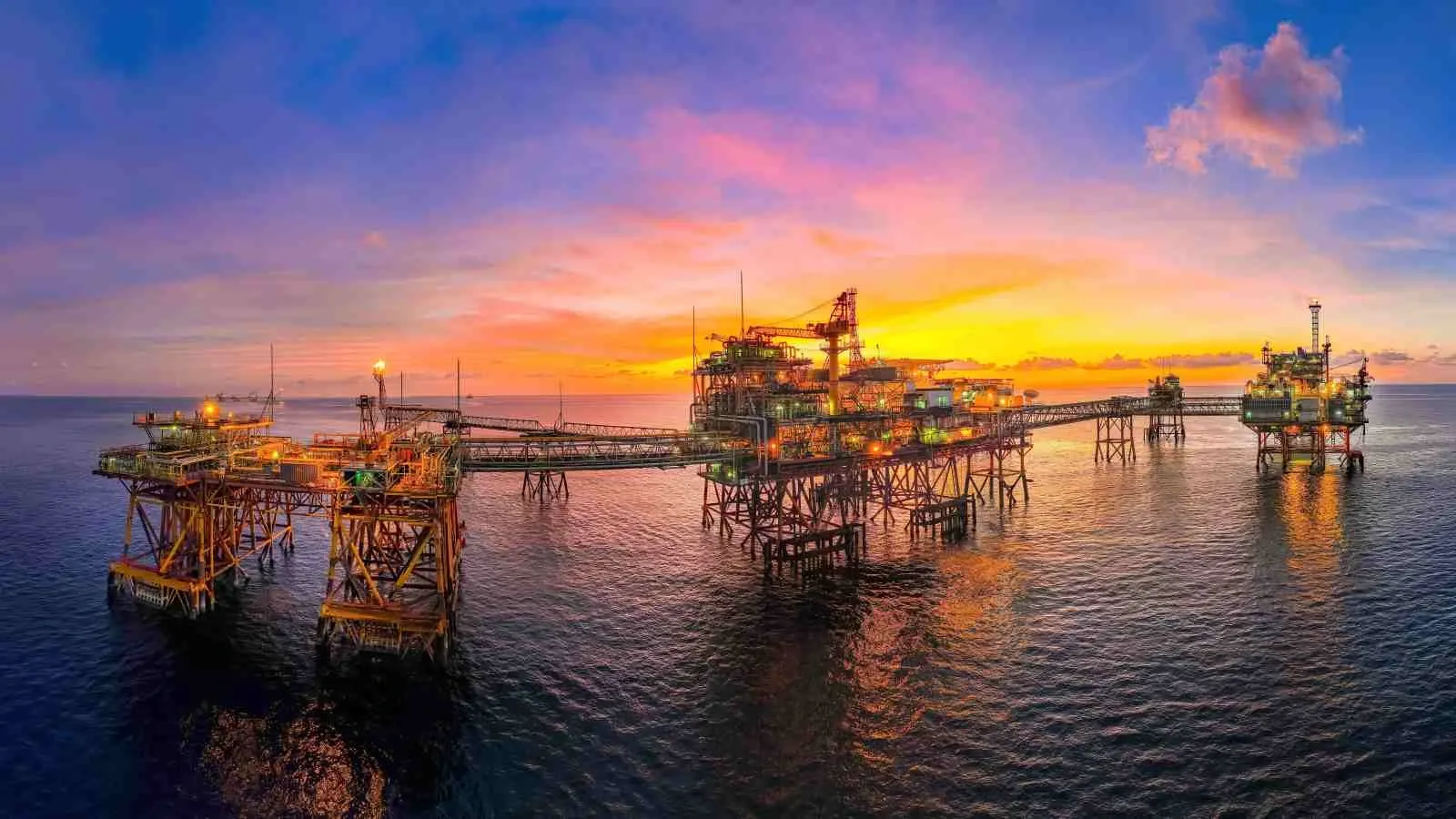

Oil well companies' investments can offer the potential for high returns, as crude oil is a hedge against inflation and helps preserve the value of your capital. However, these investments can be risky due to the complex and capital-intensive nature of an oil well’s lifecycle.
Let’s explore the stages of an oil well’s lifecycle to make informed investment decisions.
Key Takeaways:
- Oil industry investments can offer potential high returns but also carry significant risks.
- Returns on oil industry investments are lagging due to high capital requirements and inconsistent oil production rates.
- The lifecycle of oil wells includes Exploration, Development, Drilling and Completion, Production, enhanced recovery and abandonment.
- Assess the financial and operational health of companies involved in oil extraction to make informed investment decisions
Exploration
The exploration stage is the initial phase of the oil well lifecycle. During this phase, oil companies seek out and assess potential oil and gas reserves for production. Geological mapping and seismic testing are performed by geologists as part of the exploratory phase of oil production to identify geological areas with oil resources and to approximate the amount of oil that could be produced from those areas.
While exploration of potential oil fields can provide information to identify oil fields, not all exploration projects will result in successful identification of an actual oil field and therefore represent the highest risk in the petroleum exploration and production lifecycle. Therefore, investors should assess the likelihood of success of the proposed exploration prior to making investments in exploration projects.
Development of Oil Fields
The development of oil fields follows the successful identification of oil and gas reserves associated with the previously identified oil fields. Upon completion of the explorations, the next phase of the oil well lifecycle will be development where infrastructure for producing, processing and delivering oil is constructed and additional wells are drilled. The development phase also includes identifying the most efficient methods of extracting oil such as horizontal drilling and hydraulic fracturing.
The development phase requires substantial investments in drilling for oil and gas reserves and the construction of infrastructure to transport oil and gas from the wells, and the technologies associated with drilling and extracting oil and gas. Development phases can take many years from the drill date before the reserves will have produced oil for sale. Thus, investors should consider both their investment horizon and the likelihood of delays in receiving the expected return on investment from their investments post exploration because these can occur in both the exploration and development phases of the oil well lifecycle.
Drilling and Completion
In the drilling and completion phase, the oil is extracted from the wells through holes drilled using the drilling rigs. An oil well can be drilled using various drilling processes, such as Vertical, Directional, and horizontal. And when the well is drilled to the ideal depth, it’s considered to be ‘Completed’.
Drilling wells incurs high expenditure on labour, equipment, and fuel. As an investor, you must evaluate whether the expected oil production rates justify the costs. Certain drilling techniques, such as hydraulic fracking and horizontal drilling, can reduce costs and increase production rates but they may face regulatory or environmental issues.
Production
Oil is taken out of the reservoir after a well is drilled and finished. The size of the reservoir, the geological features, and the technology employed all affect the oil well's production rates.
At this point, oil extraction begins to bring in money, giving the investor a return. To ascertain the well's capacity to generate profits, it is crucial to evaluate operational expenses like labor, maintenance, and transportation. Production rates will drop as the reservoir shrinks, yielding poor returns. Investors need to plan for low returns and take into account the anticipated decline in production.
Enhanced Recovery
Enhanced oil recovery (EOR) techniques are used to boost the well's output and prolong its life when oil production begins to decline. To push the oil toward the surface, EOR techniques include chemical injection, gas injection, and water flooding.
EOR methods can be expensive, necessitating further capital expenditures for new machinery and technology. Investors need to think about whether the higher production rate makes the EOR expenses worthwhile.
Abandonment
The last stage of an oil well is abandonment. At this point, the well’s reserve has been depleted or the production has become unprofitable, and it can no longer continue producing oil or gas. Decommissioning the facility now takes place along with blocking and preventing the escape of oil or gas through the well, and rehabilitating the land in accordance with environmental regulations.
During the abandonment stage, there will be no further production of oil or gas from the well and thus there ceases to be any revenue from the well. Additionally, if the well does not produce at the anticipated level, then the investors need to understand the timeline for abandonment and the potential financial impact of the abandonment process. In addition to the financial performance of the oil well investments, companies will also need to evaluate their decommissioning costs in order to accurately assess their overall financial performance, and they will need to ensure compliance with all applicable environmental regulations to avoid being subject to fines and penalties.
Should You Invest in the Oil Industry?
Investing in oil is a lucrative way to generate returns and can be risky at the same time. Before making an investment, it’s important to understand how oil wells work. Performing due diligence is also essential before making an investment in oil wells, because this will allow you to make better-informed decisions about the potential profit, risk, and cost of acquiring oil wells at each stage in the acquisition process.

Investing in the oil industry can offer potentially high returns but also carries significant risks. Before investing, you need to thoroughly research the expected oil production and the operational costs related to oil extraction, processing, and transportation to make informed investment decisions.
About Author
Mariyam Sara
Sub-Editor
holds an MBA in Finance and is a true Finance Fanatic. She writes extensively on all things finance whether it’s stock trading, personal finance, or insurance, chances are she’s covered it. When she’s not writing, she’s busy pursuing NISM certifications, experimenting with new baking recipes.
Read more from Mariyam

















Upstox is a leading Indian financial services company that offers online trading and investment services in stocks, commodities, currencies, mutual funds, and more. Founded in 2009 and headquartered in Mumbai, Upstox is backed by prominent investors including Ratan Tata, Tiger Global, and Kalaari Capital. It operates under RKSV Securities and is registered with SEBI, NSE, BSE, and other regulatory bodies, ensuring secure and compliant trading experiences.
Related articles

Commodity Trading
Do Interest Rates and the Dollar Still Drive Gold? Understanding the Changing Macro Playbook12 min read | Written by Bidita Sen

Commodity Trading
Why Silver Crashes Harder Than Gold: The Industrial Engine Exposed11 min read | Written by Bidita Sen

Commodity Trading
Why Gold Falls in a Crisis: The Margin Call Paradox Explained11 min read | Written by Bidita Sen
Commodity Trading
Is Silver on Sale or a Falling Knife? Decoding the 2026 Gold-silver Ratio8 min read | Written by Bidita Sen

Commodity Trading
Best Way to Invest in Gold in India in 2026: Digital Gold vs Gold ETF vs Physical Gold Explained14 min read | Written by Bidita Sen
Commodity Trading
What Is DME and Can It Replace LPG in Indian Kitchens?7 min read | Written by Pradnya Surana
Commodity Trading
Impact of Crude Oil Price Changes on the Indian Middle Class3 min read | Written by Subhasish Mandal

Commodity Trading
Mentha Oil Price in India, Factors Impacting and Benefits2 min read | Written by Subhasish Mandal