MCX vs NCDEX: Commodity Exchanges in India

Written by Subhasish Mandal
Published on May 27, 2026 | 8 min read


Key Takeaways:
-
The primary difference between MCX and NCDEX lies in the type of commodities traded on the exchange. NCDEX deals with agricultural commodities, and MCX deals with non-agricultural commodities.
-
MCX focuses on metals, energy and bullion. Some of the major commodities traded on the MCX include gold, silver, crude oil, natural gas, copper, and zinc.
-
NCDEX focuses on trading in agricultural commodities like wheat, sugar, spices, etc.
-
The trading hours of MCX are 9:00 AM to 11:30 PM, and NCDEX are 10:00 AM to 5:00 PM.
The Multi-Commodity Exchange (MCX) and National Commodity Derivatives Exchange (NCDEX) are the two main commodity exchanges in India. They together generate a high volume in the commodity market and played a big role in the growth of commodity trading.
Understanding MCX vs NCDX helps traders to choose the right exchange based on their trading goals, preferred commodities, and risk appetite.
This article discusses the differences between MCX and NCDEX, their commodity categories, advantages, and which exchange is better for traders.
What is Multi-Commodity Exchange (MCX)?
Multi-Commodity Exchange (MCX) is India’s largest commodity derivatives exchange. It started operations in 2003 and allows traders to buy and sell commodity futures in an electronic format.
MCX mainly focuses on non-agricultural commodities such as Gold, Silver, Crude Oil, Natural Gas, Copper, Zinc and Aluminium, etc. The exchange provides efficient price discovery and risk management facilities to commodity market participants.
The MCX operates under the regulation of the Securities and Exchange Board of India (SEBI). Traders prefer MCX because of the high liquidity in bullion and energy contracts.
MCX also offers sectoral and single-commodity indices that help traders track commodity market performance efficiently.
Also Read: MCX Gold Trading in India
What is the National Commodity and Derivatives Exchange (NCDEX)?
The National Commodity and Derivatives Exchange (NCDEX) is an agricultural commodity exchange in India. It began operations in 2003 and specialises in agri-commodity derivatives.
NCDEX deals in commodities like wheat, soyabean, chana, mustard seed, turmeric and other farm-based products. The exchange supports farmers, traders, processors and exporters by offering transparent price discovery.
NCDEX plays an important role in India’s agricultural supply chain and commodity ecosystem. It also promotes warehousing, quality certification and an efficient commodity settlement mechanism.
Also Read: Commodity vs Forex Trading
MCX vs NCDEX: Direct Comparison
Here is a direct comparison between MCX and NCDEX:
- Exchange Focus:
MCX concentrates on non-agricultural commodities such as Gold, Silver, Crude Oil, and Natural Gas, whereas NCDEX primarily deals in agricultural commodity contracts and farm-based derivatives.
- Liquidity Levels:
MCX records higher trading volumes because bullion and energy contracts attract active traders, institutional participants, hedgers, and short-term commodity speculators.
- Commodity Coverage:
MCX offers metals, bullion, energy, and index contracts, whereas NCDEX mainly provides agricultural commodities, including cereals, pulses, spices, fibres, and oilseeds.
- Trader Participation:
MCX attracts urban retail traders and professional commodity investors, while NCDEX mainly serves farmers, agricultural processors, exporters, and rural commodity participants.
- Volatility:
MCX commodities experience volatility driven by global price movements, while NCDEX commodities are more influenced by weather conditions, crop production, and government agricultural policies.
- Global Influence:
International commodity prices significantly impact MCX contracts, especially Gold, Silver, Crude Oil, and Natural Gas, whereas NCDEX remains largely influenced by domestic factors.
- Trading Timing:
MCX supports extended trading hours (9:00 AM to 11:30 PM) because of international commodity market linkage. NCDEX follows standard trading hours from 10:00 AM to 5:00 PM, aligned with domestic agricultural market operations.
- Popular Contracts:
Gold, silver, crude oil, and natural gas dominate MCX trading volumes, whereas soybean, chana, mustard seed, and guar contracts lead NCDEX activity.
- Risk Profile:
MCX usually involves higher short-term volatility due to global commodity movements, while NCDEX price movements depend on domestic agricultural supply-demand dynamics.
- Market Participants:
MCX includes traders, investors, hedgers, and institutions, while NCDEX strongly supports farmers, mandis, commodity processors, exporters, and agricultural businesses across India.
Key Differences Between MCX and NCDEX
Here are the key differences between MCX and NCDEX, explained in a tabular format:
| Basis | MCX | NCDEX |
|---|---|---|
| Main Focus | Non-agricultural commodities | Agricultural commodities |
| Popular Products | Gold, Silver, Crude Oil, Natural Gas | Soybean, Chana, Guar Seed |
| Market Type | Global commodity-driven | Domestic agriculture-driven |
| Liquidity | Higher liquidity | Moderate liquidity |
| Volatility | Highly volatile | Seasonal volatility |
| Trading Hours | 9:00 AM to 11:30 PM | 10:00 AM to 5:00 PM |
| Main Participants | Traders and investors | Farmers and agri-businesses |
| Global Influence | High | Limited |
| Commodity Segments | Bullion, metals, energy | Agricultural products |
Types of Commodities Traded on MCX
MCX mainly offers trading in the following types of commodity derivatives contracts.
-
Bullion: It includes gold and silver contracts.
-
Industrial Metals: It includes trading in copper, aluminium, lead, and zinc derivatives contracts.
-
Energy: This includes trading in crude oil and natural gas.
-
Agricultural Commodities: It includes cotton and kapas.
Sectoral Index in MCX
The three sectoral indices in MCX are:
- MCX Base Metal Index (MCX METLDEX)
This index tracks price movements of industrial metals like copper, aluminium, zinc, and lead.
- MCX Bullion Index (MCX BULLDEX)
This index measures the overall performance of precious metals like gold and silver.
- MCX Energy Index (MCX ENRGDEX)
This index shows the price movements in energy commodities like crude oil and Natural gas.
Types of Commodities Traded on NCDEX
Here is the list of major commodities traded in the NCDEX exchange:
- Cereals and Pulses
Wheat, barley, chana, and other pulse contracts dominate NCDEX because India’s agricultural economy depends heavily on these essential food commodities.
- Oil and Oil Seeds
Soybean, mustard seed, and castor seed contracts attract traders due to strong edible oil demand and the requirements of the agricultural processing industry.
- Fibres
Cotton and other fibre contracts actively support textile manufacturers, exporters, and farmers in India’s agricultural commodity ecosystem.
- Soft Commodities
Soft commodities include products such as sugar and coffee, where seasonal production and consumption trends strongly influence market prices.
- Spices
Turmeric, jeera, and coriander contracts remain popular because India plays a major role in global spice production and exports.
- Guar Complex
Guar seed and guar gum contracts attract exporters and industrial users because guar products support oil drilling and food industries globally.
Advantages of Trading in MCX vs NDCEX
There are various advantages to trading on MCX and NCDEX that every trader should know.
Benefits of Trading in MCX
Here are the core benefits of trading in MCX:
- High Liquidity:
MCX offers strong liquidity in gold, silver, crude oil, and natural gas contracts, enabling smooth trade execution.
- Global Exposure:
MCX commodities closely follow international market trends, helping traders benefit from global economic and geopolitical developments.
- Diversification Opportunities:
MCX allows investors to diversify portfolios using bullion, industrial metals, and energy commodities.
- Longer Trading Hours:
Longer trading sessions help traders react quickly to international commodity market developments and overnight global price movements.
Benefits of Trading in NCDEX
Here are the main benefits of trading in NCDEX:
- Agricultural Focus:
NCDEX provides specialised exposure to agricultural commodities essential for farmers, exporters, processors, and agri-business market participants across India.
- Seasonal Trading Opportunities:
Agricultural commodity cycles create unique trading opportunities influenced by weather conditions, harvest patterns, and government policies.
- Lower Global Dependency:
NCDEX commodities depend more on domestic agricultural conditions rather than on volatile international commodity market developments.
- Supports Rural Economy:
NCDEX strengthens India’s agricultural ecosystem by improving transparent price discovery and risk management for farmers and traders.
MCX vs NCDEX: Which is Better?
The choice between MCX vs NCDEX depends on the trader's objectives, risk tolerance and preferred commodity segment.
MCX is suitable for traders interested in trading such as gold, silver, crude oil, and natural gas. It offers higher liquidity, global exposure, and active price movements. Short-term traders and professional commodity investors often prefer MCX because of its higher volatility and extended trading hours.
NCDEX is suitable for traders interested in trading agricultural commodities. Farmers, agri-businesses, processors, and long-term agricultural commodity traders may find NCDEX more relevant to their trading needs.

Conclusion
Understanding the differences between MCX and NCDEX helps traders choose the right commodity exchange according to their trading interests and financial goals. MCX dominates non-agricultural commodity trading with products such as gold, silver, crude oil, and natural gas, while NCDEX focuses on agricultural commodities.
The Multi Commodity Exchange attracts traders seeking global commodity exposure and higher liquidity. On the other hand, the National Commodity and Derivative Exchange supports India’s agricultural economy through transparent agricultural commodity trading.
About Author
Subhasish Mandal
Sub-Editor


A finance professional with strong expertise in stock market and personal finance writing, he excels at breaking down complex financial concepts into simple, actionable insights. Holding a Master’s degree in Commerce, he combines academic depth with practical knowledge of technical analysis and derivatives.
Read more from Subhasish


















Upstox is a leading Indian financial services company that offers online trading and investment services in stocks, commodities, currencies, mutual funds, and more. Founded in 2009 and headquartered in Mumbai, Upstox is backed by prominent investors including Ratan Tata, Tiger Global, and Kalaari Capital. It operates under RKSV Securities and is registered with SEBI, NSE, BSE, and other regulatory bodies, ensuring secure and compliant trading experiences.
Related articles
Commodity Trading
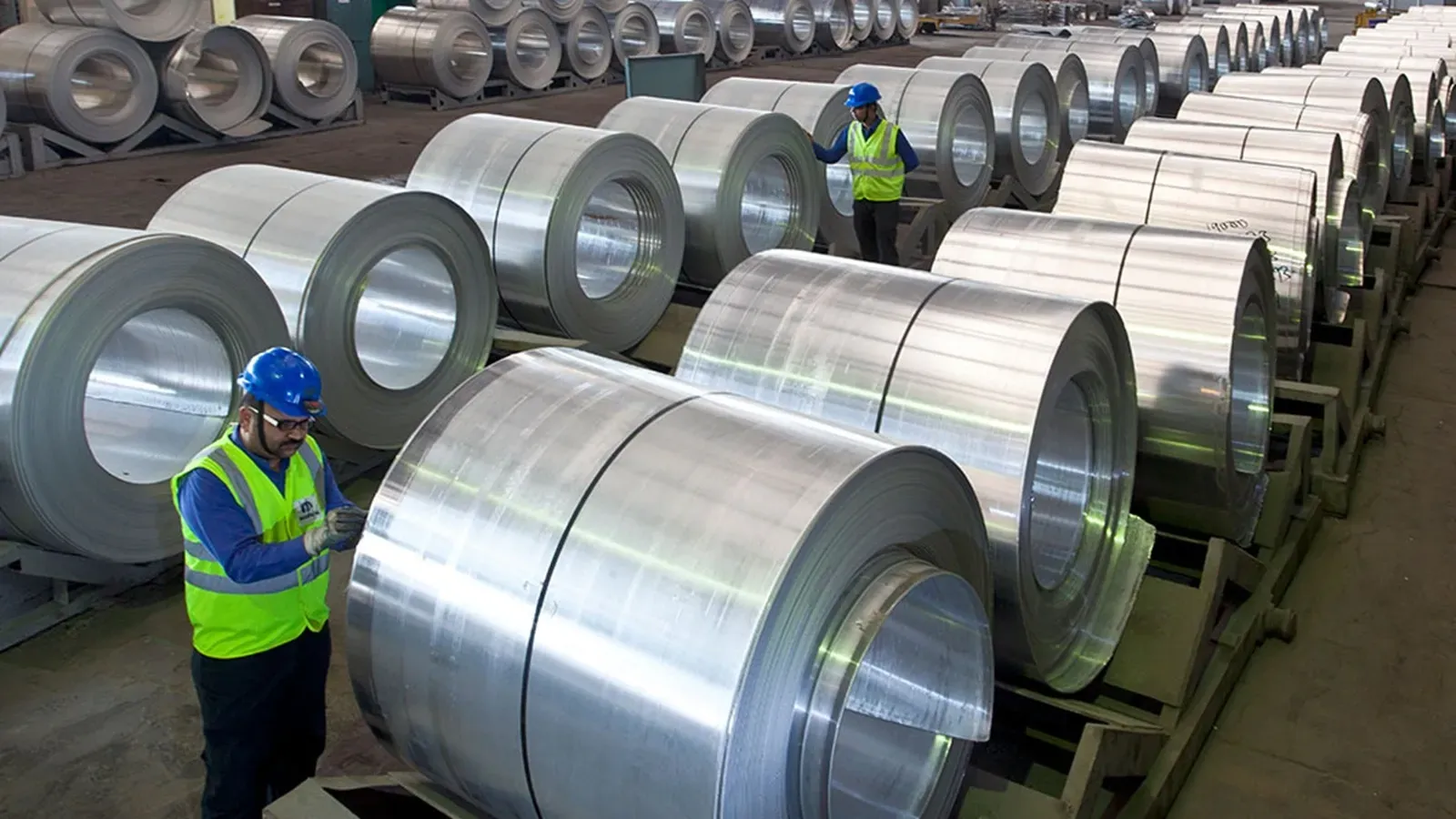
What is Aluminium Trading on MCX and How Does it Work?12 min read | Written by Subhasish Mandal
Commodity Trading
Silver ETF Investment in India: A Detailed Guide For Investors13 min read | Written by Subhasish Mandal
Commodity Trading
What are Copper Futures on MCX and How Do They Work?12 min read | Written by Subhasish Mandal

Commodity Trading
What is Silver Trading on MCX: A Comprehensive Guide12 min read | Written by Subhasish Mandal

Commodity Trading
Natural Gas Futures Trading on MCX: A Guide for Beginners11 min read | Written by Subhasish Mandal



Commodity Trading
How Are Crude Oil Prices Determined? A Simple Guide For Beginners13 min read | Written by Bidita Sen