Commodity vs Forex Trading in India: Key Differences

Written by Subhasish Mandal
Published on May 25, 2026 | 8 min read

Key takeaways:
-
The main difference between commodity and forex trading is the underlying asset class. Commodities deal with assets extracted from natural resources, while forex deals with currencies.
-
Commodity trading means buying and selling of commodities like Gold, silver, crude oil, natural gas, and agricultural products.
-
Forex trading means buying and selling currency pairs such as USD/INR, EUR/USD, and GBP/INR.
-
Commodity and forex trading both come under the derivatives segment. The futures and options contracts are traded on the exchange.
In the Indian financial market, commodity trading vs forex trading are two popular segments after equities. Both segments attract traders because of liquidity, leverage, and profit potential. However, the commodity and forex markets operate differently and suit different trading styles.
Understanding the difference between commodity and forex trading helps traders choose the right market based on risk appetite, capital, market knowledge, and trading goals. While commodity trading focuses on physical goods like gold, silver, crude oil, and agricultural products, forex trading deals with currency pairs such as USD/INR, EUR/USD, and GBP/INR.
This article explains commodity and forex trading, along with their differences, similarities, advantages, risks, and suitability for Indian traders.
What is Commodity Trading?
Commodity trading refers to the buying and selling of assets that are extracted from nature, such as Gold, silver, crude oil, and agricultural products. In India, commodity trading takes place through exchanges, such as the Multi-Commodity Exchange (MCX) and the National Commodity and Derivatives Exchange (NCDEX).
Commodity trading is primarily conducted through futures and option contracts, where traders speculate on future prices instead of taking physical delivery.
Types of Commodities
Commodities are broadly classified into four types: bullion, energy, metals, and agricultural products.
-
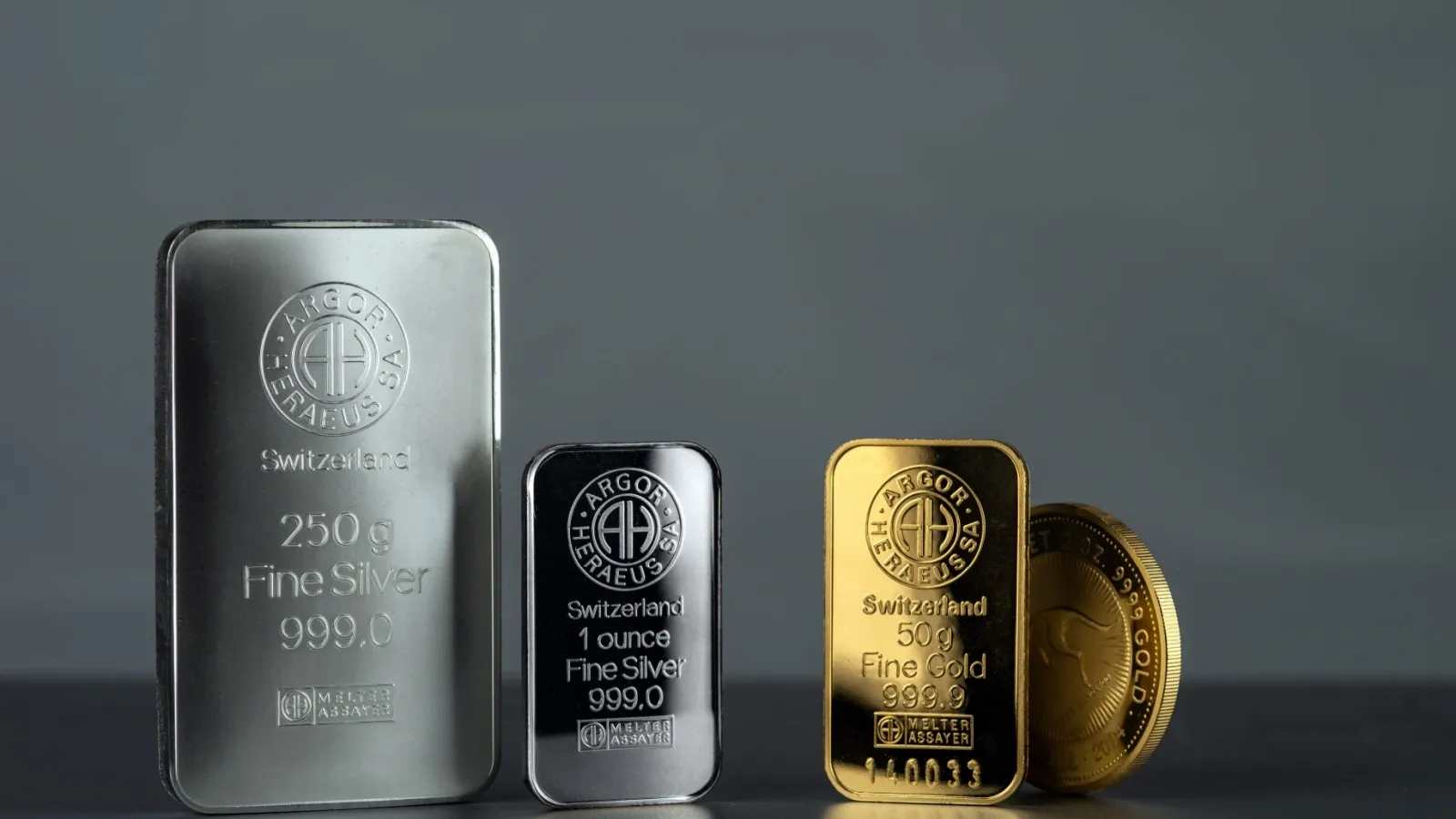
Bullion: Gold and silver dominate Indian commodity trading because of strong investor demand and inflation hedging.
-
Energy: Crude oil and natural gas attract active traders because of high volatility and global demand fluctuations.
-
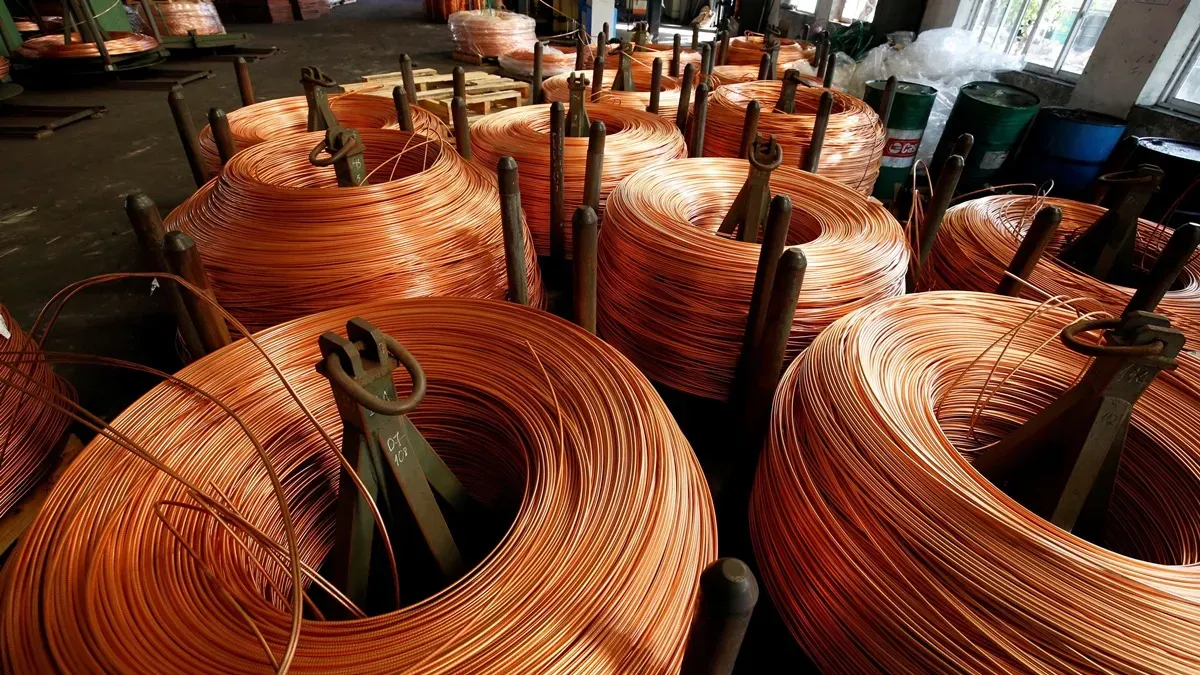
Base Metals: Copper, zinc, aluminium, and lead remain popular industrial commodities among traders.
-
Agricultural Commodities: Cotton, soybean, turmeric, cardamom, and mentha oil trade actively during seasonal cycles.
What is Forex Trading?
Forex trading or currency trading refers to the buying and selling of currency pairs in the forex market. Traders earn profits from fluctuations in exchange rates between two currencies. The forex market is the largest financial market globally because of international trade and cross-border investments.
In India, forex trading is conducted through SEBI-regulated National Stock Exchange (NSE), Bombay Stock Exchange (BSE), and Metropolitan Stock Exchange (MSE). Traders can trade currency pairs approved by the Reserve Bank of India (RBI) and SEBI.
Also Read: Forex Market Timings in India
Major Forex Pairs Traded in India
There are four major forex pairs traded in India:
-
USD/INR: The most actively traded currency pair in the Indian forex market.
-
EUR/INR: Popular among traders tracking European economic developments and global market trends.
-
GBP/INR: Suitable for traders focusing on the United Kingdom's economic data and volatility.
-
JPY/INR: Traders use this pair for diversification and global macroeconomic exposure.
Commodity vs Forex Trading: Direct Comparison
Here is a list of factors that are compared with commodity and forex trading.
- Market Focus:
Commodity trading deals with physical goods like metals, energy, and agricultural products, while forex trading focuses on exchange rate movements between global currencies.
- Market Size:
The forex market is the world’s largest financial market with massive liquidity, whereas the commodity market remains comparatively smaller but highly active globally.
- Volatility Nature:
Commodity prices fluctuate because of supply-demand imbalance and geopolitical events, while the forex market reacts strongly to economic policies and interest rate decisions.
- Trading Hours:
In India, forex trading runs from 9:00 AM to 5:00 PM IST, whereas commodity trading runs from 9:00 AM to 11:30 PM.
- Influencing Factors:
Commodity trading is influenced by weather conditions, inventory levels, production, and global demand, while forex trading depends on economic indicators and central bank actions.
- Liquidity Levels:
Major currency pairs offer extremely high liquidity in forex trading, whereas liquidity in commodity trading differs according to the specific commodity contract.
- Leverage Availability:
Both markets offer leverage opportunities, but forex trading usually provides comparatively higher leverage than commodity trading in regulated exchanges.
- Risk Exposure:
Commodity trading is exposed to risks from geopolitical tensions and natural events, while forex trading is highly sensitive to global economic and political developments.
- Capital Requirement:
Commodity trading often requires higher margins for volatile commodities, whereas forex trading may allow traders to begin with comparatively smaller capital.
- Trader Participation:
Commodity markets attract hedgers, manufacturers, and investors, while forex markets mainly attract banks, institutions, exporters, importers, and speculative traders.
Key Differences Between Commodity vs Forex Trading
Here are the key differences between commodity trading vs forex trading described in a tabular format.
| Basis | Commodity Trading | Forex Trading |
|---|---|---|
| Market Type | Trades physical commodities | Trades currency pairs |
| Asset Class | Metals, energy, and agriculture | Domestic and international currencies |
| Main Objective | Profit from commodity price movement | Profit from currency fluctuations |
| Key Drivers | Supply, demand, weather, geopolitics | Interest rates, inflation, and GDP data |
| Trading Hours | Exchange-specific timings | Nearly twenty-four hours globally |
| Liquidity | Moderate to high, depending on the commodity | Extremely high in major currency pairs |
| Volatility | High during global supply disruptions | High during economic announcements |
| Participants | Producers, exporters, hedgers, traders | Banks, institutions, traders, governments |
| Regulation in India | SEBI-regulated commodity exchanges | SEBI and RBI regulated currency derivatives |
| Popular Instruments | Gold, crude oil, silver | USD/INR, EUR/INR, GBP/INR |
Advantages of Commodity Trading and Forex Trading
Both commodity trading and forex trading have some advantages that every trader should know:
Advantages of Commodity Trading
Here are the main advantages of commodity trading:
- Inflation Hedge:
Commodities such as gold and silver can help protect investment portfolios during periods of inflation and economic uncertainty across financial markets.
- Portfolio Diversification:
Commodity trading helps investors diversify beyond equities and reduce dependence on stock market performance.
- High Volatility Opportunities:
Commodity prices often move sharply during geopolitical events, creating multiple short-term trading opportunities for active traders.
- Global Demand Exposure:
Commodity trading provides exposure to international economic trends through commodities linked to industrial and consumer demand.
- Seasonal Trading Opportunities:
Agricultural commodities offer trading opportunities based on seasonal production cycles and weather-related market movements.
Advantages of Forex Trading
Here are the main advantages of forex trading:
- High Liquidity:
Forex trading offers excellent liquidity, enabling traders to enter and exit positions quickly without significant price impact.
- Lower Capital Requirement:
Forex trading often allows traders to start with relatively lower capital because of margin trading facilities.
- Economic Event Opportunities:
Economic announcements and central bank meetings create strong trading opportunities for forex market participants.
- Global Market Exposure:
Currency trading provides exposure to international economies, interest rate cycles, and global geopolitical developments.
Risk Factors in Commodity and Forex Trading
Despite various advantages, there are certain risk factors in commodity trading and forex trading that every trader should consider.
Risk in Commodity Trading
Here are the risks of commodity trading:
- Price Volatility:
Commodity prices fluctuate sharply because of geopolitical conflicts, natural disasters, production disruptions, and sudden supply-demand imbalances.
- Leverage Risk:
Excessive leverage can magnify losses quickly during unexpected commodity market movements and highly volatile trading sessions.
- Seasonal Impact:
Agricultural commodity prices remain vulnerable to monsoon conditions, crop failures, and changing weather patterns.
- Global Dependency:
International trade restrictions and economic slowdowns significantly affect commodity prices and trader profitability.
- Physical Delivery Concerns:
Certain commodity contracts involve delivery obligations that inexperienced traders may fail to manage properly.
Commodity vs Forex Trading: Which market is suitable for traders?
Choosing between commodity trading and forex trading depends on an individual’s trading preferences, risk tolerance, and market understanding.
Commodity trading is suitable for traders interested in commodities, inflation trends, and geopolitical developments. Gold and crude oil traders often benefit from high volatility and macroeconomic trends. This type of trading is also suitable for investors seeking diversification beyond equities.
Forex trading is suitable for those who closely follow economic trends, central bank policies, and have a deep understanding of exchange rates. Beginners often prefer currency trading because of low capital requirements and high liquidity.
Before selecting between a commodity and forex, traders should understand leverage, margin requirements, technical analysis, and risk management.
Also Read: What is Technical Analysis?

Conclusion
The choice between commodity vs forex trading depends on the individual trading objectives, market knowledge, and risk appetite. Commodity trading provides exposure to precious metals, energy products, and agricultural products, while forex trading focuses on global currency movements and macroeconomic developments.
Both commodity and forex market trading offer high liquidity and leverage. However, they also involve significant risks due to market volatility and global market sensitivity. Therefore, traders should analyse their financial goals, trading style, and risk tolerance before participating in either market.
About Author
Subhasish Mandal
Sub-Editor


A finance professional with strong expertise in stock market and personal finance writing, he excels at breaking down complex financial concepts into simple, actionable insights. Holding a Master’s degree in Commerce, he combines academic depth with practical knowledge of technical analysis and derivatives.
Read more from Subhasish












Upstox is a leading Indian financial services company that offers online trading and investment services in stocks, commodities, currencies, mutual funds, and more. Founded in 2009 and headquartered in Mumbai, Upstox is backed by prominent investors including Ratan Tata, Tiger Global, and Kalaari Capital. It operates under RKSV Securities and is registered with SEBI, NSE, BSE, and other regulatory bodies, ensuring secure and compliant trading experiences.
Related articles
Commodity Trading
What is Aluminium Trading on MCX and How Does it Work?12 min read | Written by Subhasish Mandal
Commodity Trading
Silver ETF Investment in India: A Detailed Guide For Investors13 min read | Written by Subhasish Mandal
Commodity Trading
What are Copper Futures on MCX and How Do They Work?12 min read | Written by Subhasish Mandal
Commodity Trading
What is Silver Trading on MCX: A Comprehensive Guide12 min read | Written by Subhasish Mandal
Commodity Trading
Natural Gas Futures Trading on MCX: A Guide for Beginners11 min read | Written by Subhasish Mandal

Commodity Trading
How Are Crude Oil Prices Determined? A Simple Guide For Beginners13 min read | Written by Bidita Sen