Is Copper Good for You? Health Benefits, Daily Needs, and Risks

Written by Mariyam Sara
Published on January 09, 2026 | 4 min read
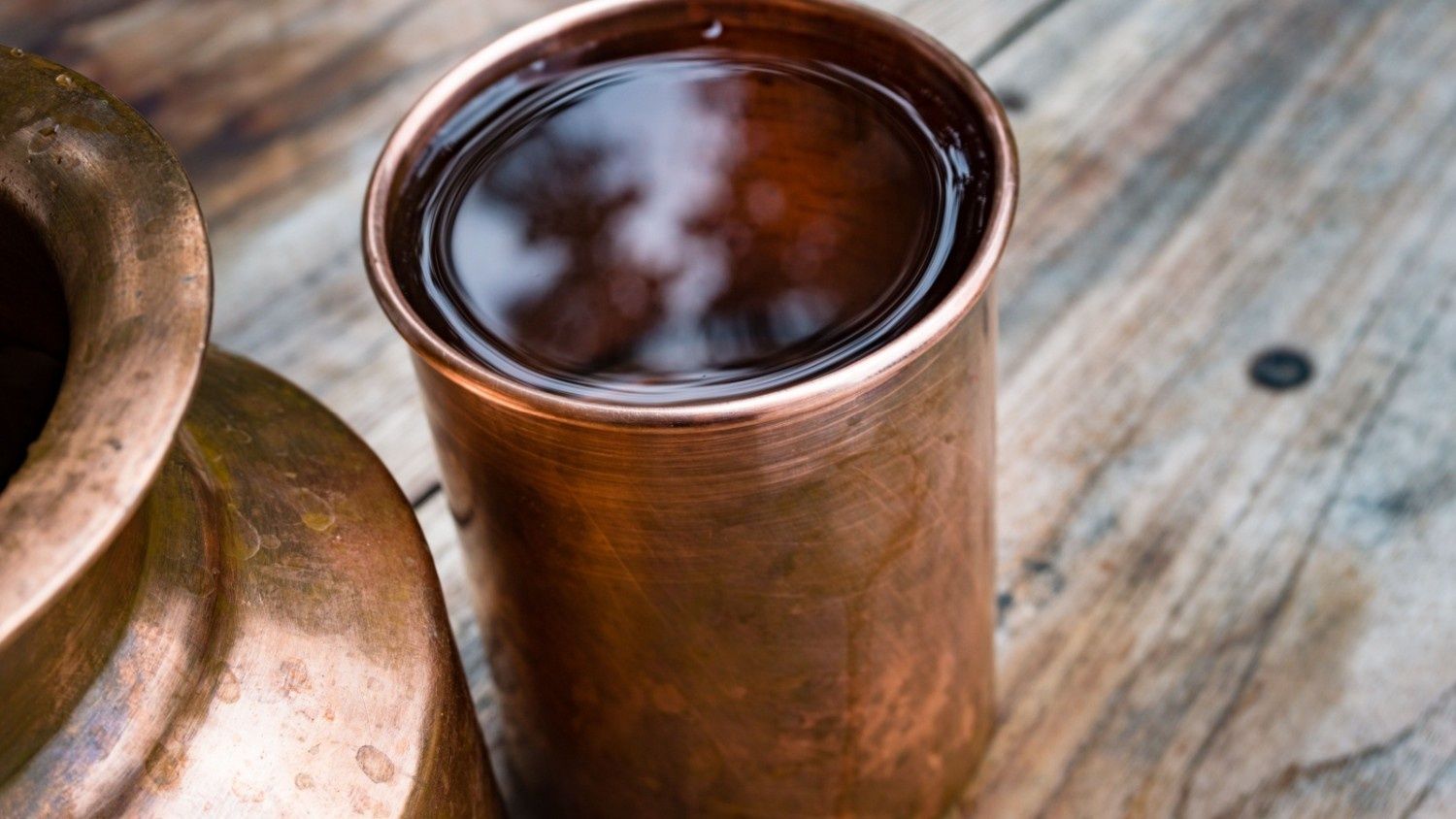

Along with your portfolio, you need to add precious metals (metals are a type of mineral) to your diet to take care of your body’s health. Copper is an essential mineral necessary for energy production, iron metabolism, brain function and skin protection from UV damage.
Copper has to be consumed in moderation as the recommended daily intake, too little can lead to copper deficiency and too much can cause health issues. Let’s understand why and how to add copper to your diet, its health benefits, daily copper requirement and risks of overconsumption of copper.
Is Copper Good for Your Health?
Copper is a vital mineral for producing energy, maintaining your nervous system and improving your immunity. According to a 2025 longitudinal study by PMC, adding copper to your diet can help avoid heart-related health issues and contribute to better overall health, especially in individuals with high blood pressure.
As per the study, copper maintains heart health by reducing oxidative stress, a condition where the body has an excess of free radicals and not enough antioxidants to remove them. An excess of free radicals can lead to cell and tissue damage.
Copper can also aid in improving your cognitive functions since it helps enzymes required in neurotransmitter synthesis. As per a 2025 cross-sectional observational study published by PubMed Central (PMC), older individuals with a high intake of dietary copper have better cognitive function test scores than those with lower copper intake.
Health Benefits of Copper
In Ayurveda, copper is considered an essential micronutrient that protects from multiple health issues such as skin disorders, neurological deficits, respiratory disorders, metabolic disorders and anaemia, amongst other ailments. The following are the health benefits of copper.
Improve Skin Health
According to a Nutritional Dermatology study, adding copper to your diet can help protect your skin from UV damage and produce collagen and melanin. Copper can also help repair damaged skin and reduce oxidative stress since it contains peptides.
As per the researchers in the study, copper can stimulate the growth of new blood vessels, which help in healing wounds.
Builds Immunity
Copper is a trace mineral crucial for maintaining your immune system. Copper can destroy bacteria and interacts with receptors to protect your body against infections. Research has shown that your cells accumulate copper to improve to offer better protection against disease-causing bacteria.
Connective Tissue Health
Since copper includes the enzyme lysyl oxidase, it helps form intricate patterns for connective tissue using collagen and elastin. Collagen is crucial for skin integrity, while elastin provides skin elasticity. Adequate copper intake is necessary for maintaining and improving connective tissue health.
Improves Neurological Functioning
Copper helps neurotransmitters and aids in brain development. It is a critical cofactor for enzymes involved in cellular energy production and antioxidant defenses. Copper strengthens neural connections, which are crucial for learning and memory. Copper deficiency can lead to impaired cognitive function and development.
Improve Heart Health
Having copper in your diet can improve your heart health, as it reduces oxidative stress, protecting the cells and tissues. According to the longitudinal study, Individuals with high dietary copper intake have fewer heart-related health issues.
Can Prevent Osteoporosis
Your bones and muscles store almost two-thirds of your body’s copper, hence consuming calcium with copper can slow down bone loss, especially among older women. As per an MDPI study, copper supplements help women with preexisting health issues slow down their vertebral bone loss.
Daily Copper Requirements
According to the Indian Council of Medical Research (ICMR) and the National Institute of Nutrition (NIN), adults require a daily copper intake of 1.7 milligrams (mg). Below are the Recommended Dietary Allowance (RDA) for Indians belonging to different age groups.
- Adult men and women - 1.7 mg/day
- Pregnant women: 2.0 mg/day
- Lactating women: 2.1 mg/day
- Adolescents (10-18 years): Ranging from 1.4 mg/day to 2.2 mg/day depending on age and gender
- Children (1-9 years): Ranging from 0.7 mg/day to 1.1 mg/day depending on age
- Infants (0-12 months): Ranging from 0.2 mg/day to 0.4 mg/day
Good Sources of Copper
Copper is a naturally occurring micronutrient and can be found in various types of food that you can add to your diet. The following are the non-vegetarian and vegetarian good food sources of copper.
- Non-Vegetarian Sources of Copper
- Beef liver
- Shellfish
- Vegetarian Sources of Copper
- Nuts
- Seeds, such as sunflower and sesame seeds
- Chocolate
- Potatoes
- Mushrooms
- Avocados
- Chickpeas
- Tofu
If you find it challenging to add the above food list to your diet, you can also opt for copper supplements. It is recommended to consult a doctor before starting any copper supplements.
Indians have a history of using copper utensils for storing water and cooking due to their medical properties and significance in Ayurveda. You can store water in a copper water bottle for 6-8 hours, allowing trace amounts of copper to leach into the water, providing a natural intake of copper.
Risks of Consuming Too Much Copper
Copper should be consumed in moderation and as directed by your doctor. Too much copper can lead to health problems such as liver damage, stomach ache, cramps, nausea and vomiting and diarrhea.

Copper offers multiple health benefits for your body and should be a part of your daily diet. Follow the recommended copper intake guidelines specified by the Indian Council of Medical Research (ICMR) and the National Institute of Nutrition (NIN) and consult your doctor before taking any copper supplements.
About Author
Mariyam Sara
Sub-Editor
holds an MBA in Finance and is a true Finance Fanatic. She writes extensively on all things finance whether it’s stock trading, personal finance, or insurance, chances are she’s covered it. When she’s not writing, she’s busy pursuing NISM certifications, experimenting with new baking recipes.
Read more from Mariyam


















Upstox is a leading Indian financial services company that offers online trading and investment services in stocks, commodities, currencies, mutual funds, and more. Founded in 2009 and headquartered in Mumbai, Upstox is backed by prominent investors including Ratan Tata, Tiger Global, and Kalaari Capital. It operates under RKSV Securities and is registered with SEBI, NSE, BSE, and other regulatory bodies, ensuring secure and compliant trading experiences.
Related articles
Commodity Trading
Investing in Copper in 2026: Price History, Supply-Demand Shifts, and What It Means for Investors4 min read | Written by Mariyam Sara

Commodity Trading
What Is DME and Can It Replace LPG in Indian Kitchens?7 min read | Written by Pradnya Surana

Commodity Trading
Impact of Crude Oil Price Changes on the Indian Middle Class3 min read | Written by Subhasish Mandal

Commodity Trading
Mentha Oil Price in India, Factors Impacting and Benefits2 min read | Written by Subhasish Mandal

Commodity Trading
What is Mentha Oil and How To Trade in Mentha Oil?4 min read | Written by Subhasish Mandal

Commodity Trading
Is Crude Oil a Good Investment? Pros, Cons & Alternatives3 min read | Written by Mariyam Sara