How Crude Oil, Gold and Base Metals Prices Interconnect in Global Markets?

Written by Dev Sethia
Published on December 09, 2025 | 2 min read
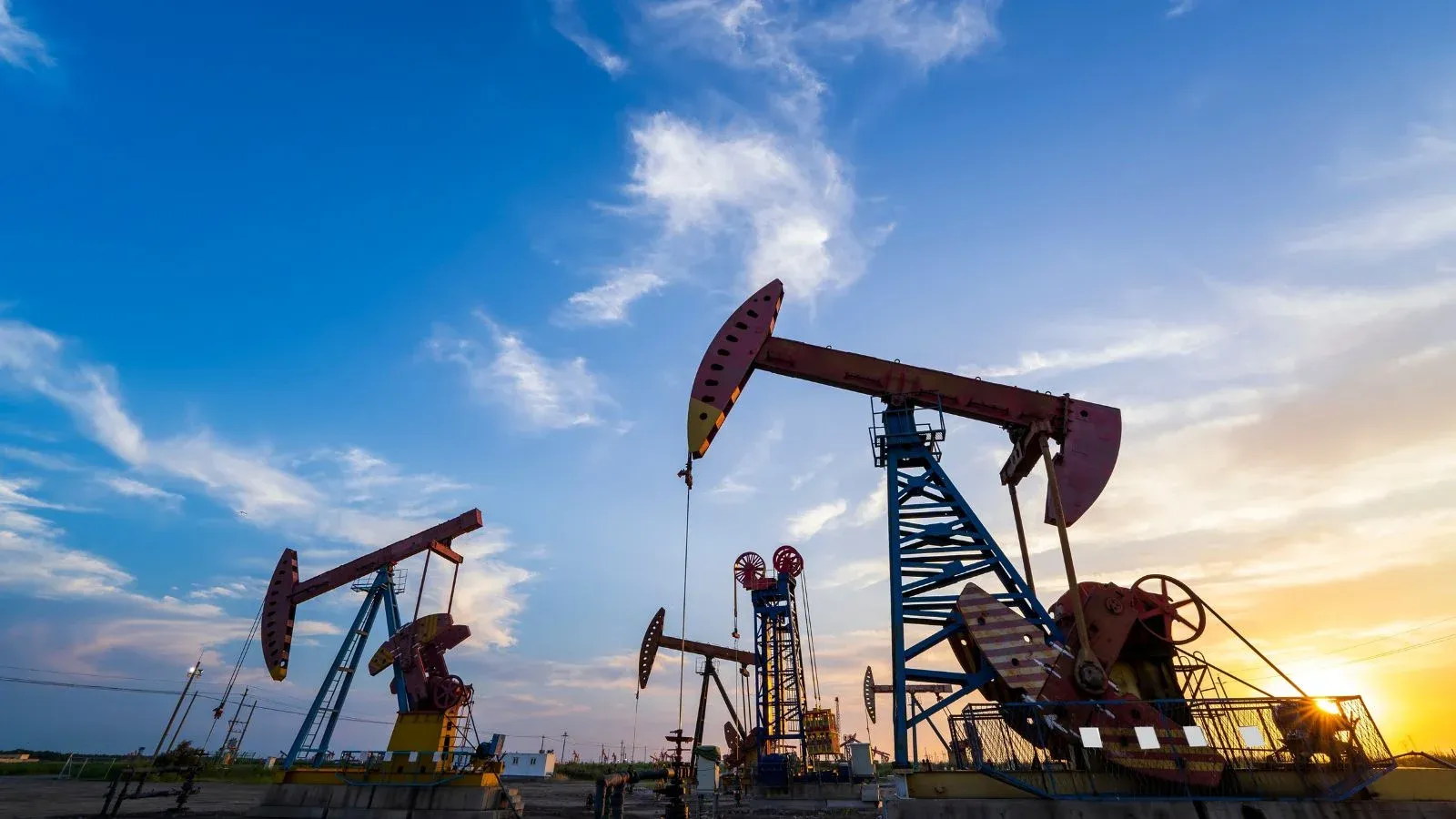

There tends to be a positive correlation between crude oil and gold, as well as base metals, during inflationary periods. Increased crude oil prices typically increase production costs, leading to an increase in gold prices due to investors seeking protection from inflation.
Increased energy costs will also affect the prices of base metals, i.e. industrial metals. Therefore, these three commodities indeed have relationships tied to each other via the overall economy and inflation; however, their relationships are complicated.
From an economic perspective, crude oil prices tend to influence gold prices because higher crude oil prices usually indicate higher inflation and demand for goods/services.
Additionally, during periods of volatility in crude oil markets, gold can serve as a "haven" for investors. Base metals follow the industrial demand for goods/services closely.
Crude Oil & Gold
Inflation Hedge
The rise in crude oil prices generally results in increased inflation, which leads an investor to consider gold as a safe place to maintain a store of value, thereby maintaining purchasing power.
Demand/Supply Shock
Gold prices are positively impacted by supply disruptions from oil (geopolitical conflicts or reductions in production), creating greater uncertainty. Conversely, demand shocks for oil would negatively impact the price of gold as economic activity decreases.
Currency Links
An increase in the price of oil typically devalues local currency, making gold more expensive, and that can, therefore, increase the use of gold as a hedge against the devaluation of the currency.
Casual Relationship
Traditionally, oil has a casual relationship to gold, i.e., oil prices moving the price of gold. However, the casual relationship between the two commodities can change over time and is bidirectional. In times of crisis, gold can react solely to uncertainty and create an evolving and fluctuating causal relationship between the two commodities.
Gold & Base Metals
The Difference Between a Safe Haven Asset and an Industrial Asset:
Safe Haven vs. Industrial:
Gold acts as a haven asset because it does not depend on industrial cycles, whereas base metals, like copper, are sensitive to industrial activity and therefore closely tied to global economic growth.
Hedging Volatility:
As base metals are sensitive to industrial activity, they can be used to hedge against fluctuations in the price of oil, while gold can be used primarily as a hedge against inflation and uncertainty.
Although both asset classes have different primary functions, they are both affected by the overall economic sentiment, resulting in conditional correlations that change due to different market conditions.
Key Takeaway for Investors
Economic Activity
The price for crude oil, gold and base metals is generally aligned with overall economic growth, though internal drivers, for example, inflationary pressures, demand from the industrial sector and safe-haven activity, lead to varying degrees of correlation that change over time. This is particularly true during periods of crisis.
Portfolio Diversification
A clear understanding of these intricate relationships allows investors to hedge against risks and creates a more diversified investment portfolio. If an investor is aware of how these commodities relate to each other, then they will be able to better manage risk, to maximise their returns and to act appropriately in response to changes in global economic conditions.

Ultimately, the interrelationship between oil, gold and base metals is a reflection of the movement of world economic forces. Gold and base metals behave differently depending upon inflationary or economic growth conditions and on an investor’s perception of the future direction of market prices for these products.
Thus, investors must carefully study the correlation between crude oil, gold, and base metals to develop a viable investment strategy encompassing effective hedging, risk management, and long-term diversification of one’s investment portfolio.
About Author
Dev Sethia
Sub-Editor
a journalism post-graduate from ACJ-Bloomberg with over three years of experience covering financial and business stories. At Upstox, he writes on capital markets and personal finance, with a keen focus on the stock market, companies, and multimedia reporting. When he’s not writing, you’ll find him on the cricket pitch
Read more from Dev















Upstox is a leading Indian financial services company that offers online trading and investment services in stocks, commodities, currencies, mutual funds, and more. Founded in 2009 and headquartered in Mumbai, Upstox is backed by prominent investors including Ratan Tata, Tiger Global, and Kalaari Capital. It operates under RKSV Securities and is registered with SEBI, NSE, BSE, and other regulatory bodies, ensuring secure and compliant trading experiences.
Related articles
Commodity Trading
Do Interest Rates and the Dollar Still Drive Gold? Understanding the Changing Macro Playbook12 min read | Written by Bidita Sen

Commodity Trading
Why Silver Crashes Harder Than Gold: The Industrial Engine Exposed11 min read | Written by Bidita Sen
Commodity Trading
Why Gold Falls in a Crisis: The Margin Call Paradox Explained11 min read | Written by Bidita Sen
Commodity Trading
Is Silver on Sale or a Falling Knife? Decoding the 2026 Gold-silver Ratio8 min read | Written by Bidita Sen
Commodity Trading
Best Way to Invest in Gold in India in 2026: Digital Gold vs Gold ETF vs Physical Gold Explained14 min read | Written by Bidita Sen

Commodity Trading
What Is DME and Can It Replace LPG in Indian Kitchens?7 min read | Written by Pradnya Surana

Commodity Trading
Impact of Crude Oil Price Changes on the Indian Middle Class3 min read | Written by Subhasish Mandal