April 26, 2023
10 ways to building wealth through everyday financial discipline
Do you aspire to build wealth while working for a nine to six job? But not sure how? Congrats, you’ve reached the right place.
(But before that, check out our Youtube channel. Here’s where we share insight driven content that will educate you and help you in your journey to financial freedom. Check it out here (LINK), subscribe to our channel, and come back to read the blog!)
In a world of uncertainties, being financially aware, putting hard stops to your expenses, and maintaining consistent investments can help you avoid financial troubles.
Today, we’ll together understand how to manage our money effectively, saving a significant portion of our salary, and making smart investments to build long-term wealth.
Plan and track your monthly budget
Understanding our cash flow is vital to gaining control over our finances, which means keeping a track of every single rupee that is being spent. We should create a monthly budget plan by categorising our expenses and diligently tracking our spending. Maybe allocate a portion of our salary to a separate account for savings and investments? Why not!
Invest a portion of your increment
When we receive a salary hike or appraisal, it's tempting to indulge in various purchases like those 200 dollar shoes! However, instead of splurging, consider investing a portion of the increment. Setting up a monthly Systematic Investment Plan (SIP) ensures regular savings. Investing is crucial because inflation gradually erodes the value of our money. By investing in assets that outperform inflation, such as equity or gold, we protect our purchasing power and build a solid financial foundation.
Invest and save taxes
Explore various tax-saving schemes and investment options to maximise our savings. Employee Provident Funds, Equity Linked Savings Schemes, Life Insurance, and National Pension Schemes are some avenues that provide tax benefits while helping us save money.
Cut down on unnecessary expenses
One of the most overlooked methods of saving a significant portion of our salary is by reducing our overall expenses (it’s the age of minimalism!). For instance, considered carpooling or using public transport instead of relying on our car for every commute? Review mobile phone or WiFi bills and opt for a more affordable plan. Let’s ask ourselves at every purchasing point like a grocery store, “do we really really need this? Or is it just a temptation?”
Get health insurance
Unforeseen health emergencies can drain our finances. Let’s protect ourselves and our loved ones by investing in a health insurance policy. Paying a monthly or annual premium for health insurance is a prudent financial decision that provides us with coverage during emergencies. Additionally, under section 80D, we can claim tax deductions for the health insurance premiums paid.
Being mindful when shopping online
Impulsive online shopping can quickly eat into our savings. A helpful technique is to leave items in our cart for a day or two before making a final decision. This helps us determine if we genuinely need the product. Another idea! Replacing the habit of visiting e-commerce apps with investment apps. Stock like you shop! Check out ‘Upstox for Investors’, you’ll know what we’re talking about.
Avoid late fees on credit cards
Missing credit card payments can result in significant late fees and interest charges. Let’s use reminder apps or set up automatic payments through our mobile banking app to ensure we never miss a payment deadline. By being prompt with credit card payments, we avoid unnecessary fees and prevent our debt from snowballing.
Practise smart grocery shopping
It's surprisingly easy to overspend on groceries if we're not mindful. Create a shopping list before heading to the store, focusing on essential items and avoiding impulse purchases. Be aware of marketing tactics at the billing counter that tempt us with additional products. By sticking to our list, we'll stay within our monthly budget and avoid overspending.
Utilise your kitchen
While food delivery apps offer convenience, they can also strain our finances and health. Limit eating out to a couple of days per week and use the remaining days to cook meals at home or prepare them in advance. By reducing our reliance on food delivery and dining out, we'll save a significant amount of money in the long run, for real!
Reduce electricity consumption
Being conscious of our energy usage not only benefits the environment but also saves us money. Develop habits like switching off lights and appliances when not in use. Opt for energy-efficient options like CFL or LED lights, which consume less energy and have a longer lifespan compared to traditional bulbs.
Building wealth requires discipline, smart financial decisions, and consistent savings and investments. Let’s start by creating a monthly budget plan, reducing unnecessary expenses, and investing in assets that outperform inflation. Rather than succumbing to the temptation of increased earnings, increase your investments to secure a stable financial future. Hope this helps!
Disclaimer
The investment options and stocks mentioned here are not recommendations. Please go through your own due diligence and conduct thorough research before investing. Investment in the securities market is subject to market risks. Please read the Risk Disclosure documents carefully before investing. Past performance of instruments/securities does not indicate their future performance. Due to the price fluctuation risk and the market risk, there is no guarantee that your personal investment objectives will be achieved.
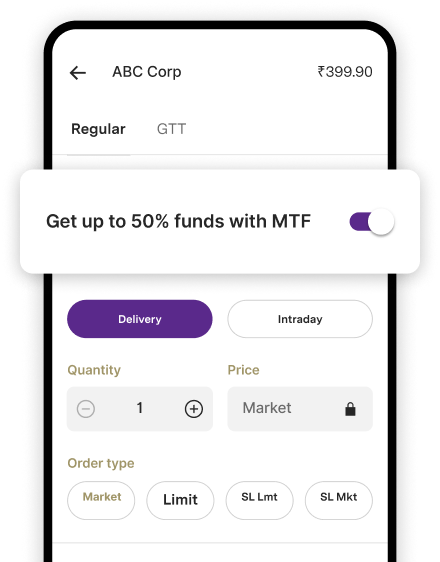
Never miss a trading opportunity with Margin Trading Facility
Enjoy 2X leverage on over 900+ stocks