How to Trade Using a Trading Account: Complete Guide + Documents Required to Get Started

Written by Mariyam Sara
Published on September 26, 2025 | 4 min read


Summary
A trading account is mandatory for trading in the equity market. It links traders and the stock market by facilitating the buying/selling of securities such as stocks, derivatives and commodities.
Key Takeaways
-
A trading account is a specialised investment account used to buy or sell securities such as stocks, derivatives and commodities via a broker.
-
A trading account facilitates the quick and smooth execution of trades, enabling investors and traders to buy or sell securities instantly.
-
A Demat Account holds your securities in an electronic form, while a trading account is used to buy/sell securities in the market.
-
There are different types of trading accounts, such as Equity Trading Account, Commodity Trading Account, Derivatives Trading Account, Currency Trading Account, Margin Trading Account and Cash Account.
Introduction
Traders aim to earn quick profits from short-term price movements by analysing historical trends in securities. In 2025-26, SEBI reported 57,647 lakh intraday trades and 1,654.44 crore equity derivatives trades at NSE alone, indicating high trading volume and liquidity in the market.
SEBI made the Trading Account mandatory for trading in stocks, derivatives, and commodities. So if you want to start your trading journey, the first step is opening a Trading Account and a Demat Account.
In this article, you will understand what a Trading Account is, how to use it and the documents required to open one.
What Is a Trading Account, & How Is It Different From a Demat Account?
A Trading Account is an investment account specially designed for facilitating fast and smooth buying and selling of securities on stock exchanges. Similar to a bank account, a Trading Account enables transactions in securities.
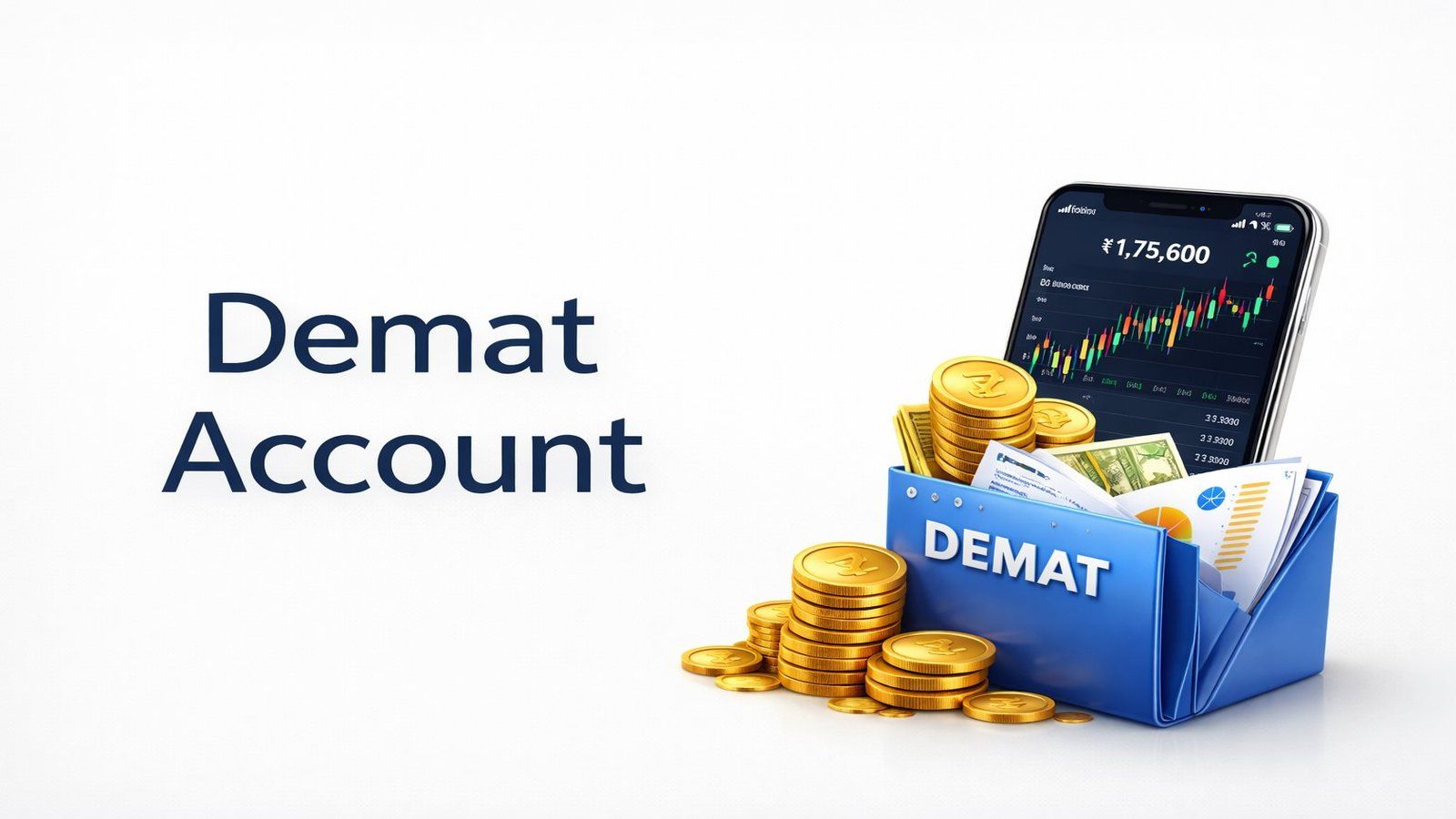
A Demat Account is a digital vault that securely stores your securities in an electronic form. Both Trading and Demat Accounts are linked together and work in collaboration to execute trades.
For example, when you purchase a share, the funds are deducted from your linked bank account via the Trading Account and the purchased shares are stored in your Demat Account.
Types of Trading Accounts
There are different types of Trading Accounts dedicated to different asset classes. The following are the types of Trading Accounts you can open:
Equity Trading Account
Designed for buying and selling stocks listed on stock exchanges and their derivative contracts, such as Futures & Options.
Commodity Trading Account
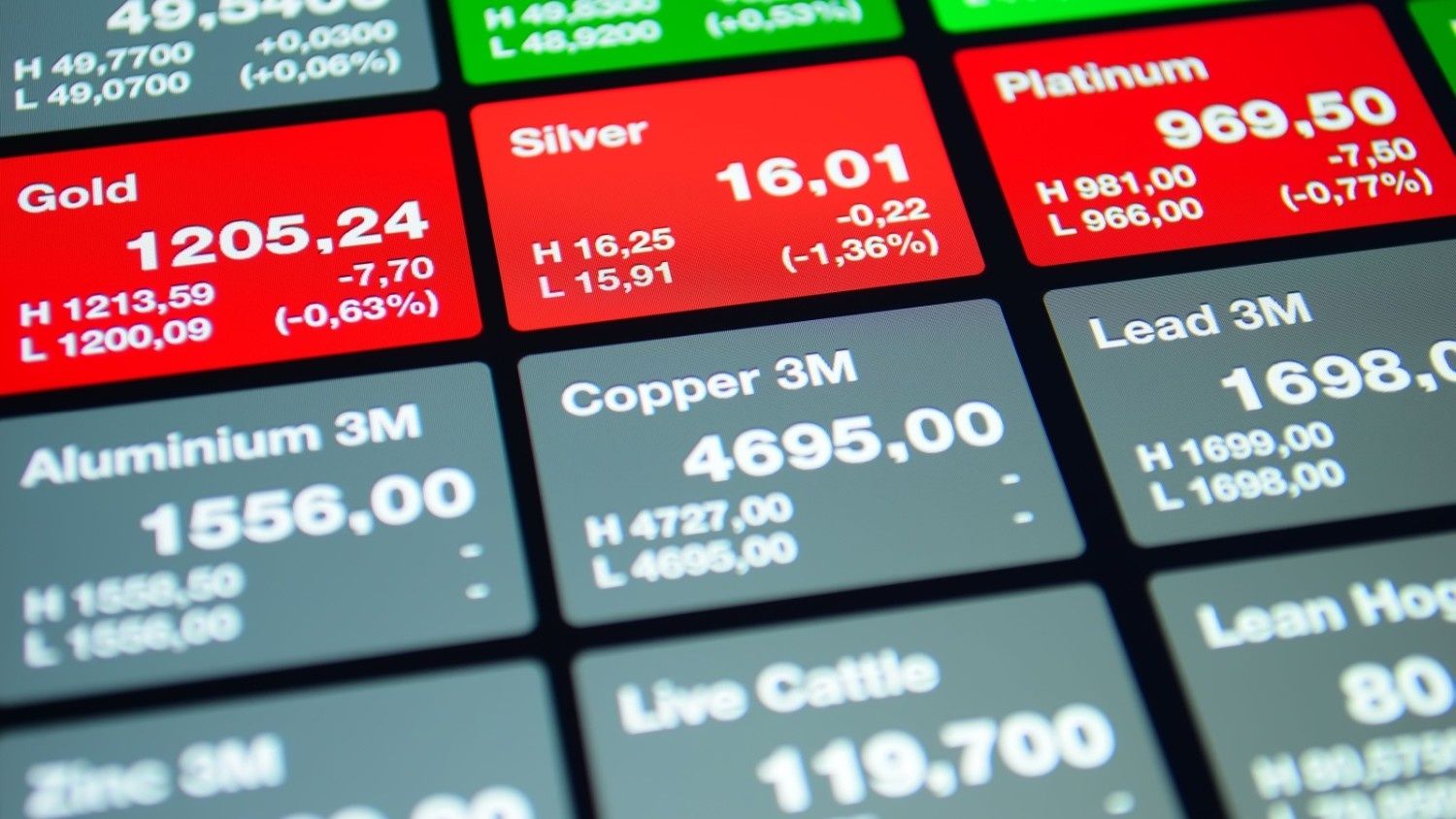
Facilitates trading in commodities such as gold, silver, platinum and agricultural products.
Derivatives Trading Account
Specifically designed for Future & Options contracts.
Currency Trading Account
Used to trade in currency pairs such as USD/INR, EUR/INR and JPY/INR, etc.
Margin Trading Account
Allows you to buy securities by borrowing funds from the Depository Participant (DP) or broker. The Margin Trading Facility (MTF) provides higher exposure but carries significant risk.
Cash Account
Designed for trades requiring full, upfront payments with no borrowing allowed.
How to Use a Trading Account?
To start your trading journey, you need to choose a Trading Account that aligns with your strategy and approach. Here’s how to use a Trading Account:
Select the Right Type of Trading Account
Choose the appropriate type based on the securities you wish to trade. Also, select a SEBI-registered broker or DP to open your account.
Learn The Basics of Trading
Understand trading fundamentals and learn beginner-friendly strategies. It’s recommended to practise using a demo account to hone your skills before entering the real market. Understand market dynamics and external factors that impact the markets, and how to analyse them effectively.
Review Your Trades
Regularly review your trading strategies and adjust them based on the prevailing market trends. This will help you optimise performance and adapt to market changes.
Documents Required to Open a Trading Account
The following are the documents required for opening a Trading Account.
-
ID proof: Aadhaar card and PAN card (both mandatory)
-
Address proof (Any one): Aadhaar card, Passport, Voter ID or Driving License
-
Bank Proof ( Any one): Bank statement, cheque, or passbook

A Trading Account is the first step towards your trading journey. There are various types of Trading Accounts you can choose from based on your trading strategy and approach. To open a Trading Account, you need to fill out an application form and submit identity proof, address proof and income proof.
FAQs
What is a Trading Account?
A trading account is an investment account that facilitates the buying and selling of securities such as stocks, derivatives and commodities.
Are Trading Account and Demat Account the same?
No, they are not the same. A Demat Account stores your securities in an electronic form, while a trading account facilitates the transaction of securities.
What are the documents required for opening a Trading Account?
You need the following documents to open a trading account:
- ID proof: Aadhaar card and PAN card (Both)
- Address proof (Any one): Aadhaar card, Passport, Voter ID or Driving license
- Bank Proof (Any one): Bank Statement, Cheque or Passbook
About Author
Mariyam Sara
Sub-Editor
holds an MBA in Finance and is a true Finance Fanatic. She writes extensively on all things finance whether it’s stock trading, personal finance, or insurance, chances are she’s covered it. When she’s not writing, she’s busy pursuing NISM certifications, experimenting with new baking recipes.
Read more from Mariyam















Upstox is a leading Indian financial services company that offers online trading and investment services in stocks, commodities, currencies, mutual funds, and more. Founded in 2009 and headquartered in Mumbai, Upstox is backed by prominent investors including Ratan Tata, Tiger Global, and Kalaari Capital. It operates under RKSV Securities and is registered with SEBI, NSE, BSE, and other regulatory bodies, ensuring secure and compliant trading experiences.
Related articles

Trading Account
Insider Trading in India: Understanding the Legal Framework6 min read | Written by Upstox Desk


Trading Account
Gross Profit - Formula, Ratio, Meaning, Net Profit, Margin, & How to Calculate2 min read | Written by Pradnya Surana


Trading Account
What is Swing Trading for Beginners - Strategies, Meaning, Indicators, & How to Do5 min read | Written by Dev Sethia

Trading Account
Buy Today and Sell Tomorrow (BTST) Trading Strategy3 min read | Written by Subhasish Mandal

Trading Account
Commodity Market Trading For Beginners & How to Trade in India - Strategy & Meaning5 min read | Written by Mariyam Sara