How To Open Trading Account Online?

Written by Mariyam Sara
Published on January 30, 2026 | 3 min read


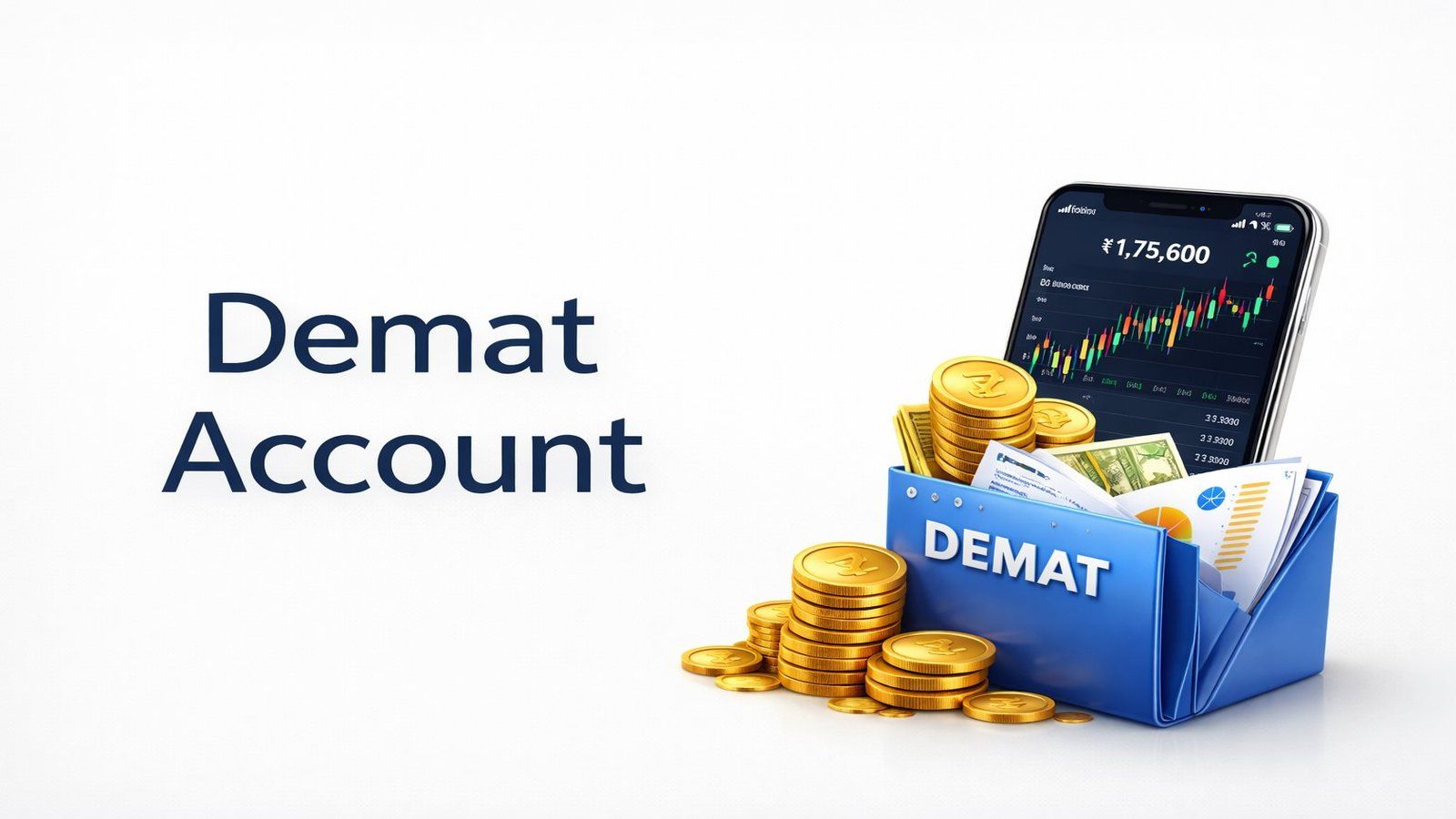
If you want to participate in the stock market and earn returns, you need to first open a trading and demat account. Both accounts are mandatory requirements, as a demat account holds all your investments in digital form, while a trading account facilitates the transaction between your bank account and demat account.
What Is a Trading Account?
A trading account is an speclized account that facilitates the buying, selling and monitoring of securities such as stocks, bonds, forex and commodities in the markets. It is particularly essential for traders as it allows frequently buy and sell multiple securities within the same trading session.
A trading account is a mandatory requirement enforced by the Securities and Exchange Board of India (SEBI), which is responsible for regulating the Indian securities markets.
Types of Trading Accounts
There are different types of trading accounts designed to trade various markets.
Equity & Derivatives Trading Account
An equity & derivatives trading account is designed for traders and investors who want to buy and sell equity shares and derivatives contracts, such as Futures and options, in the stock market.
Commodity Trading Account
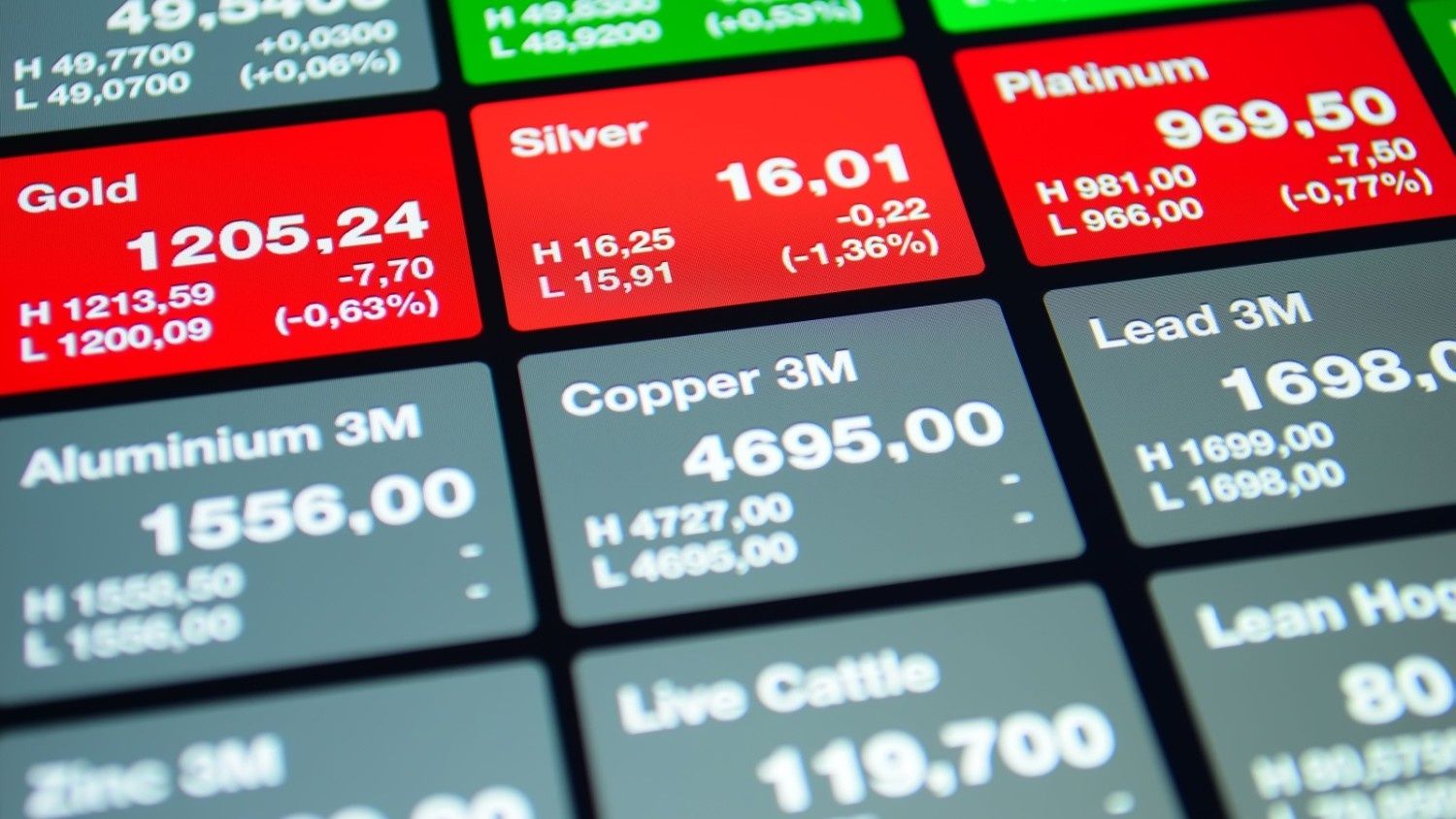
A commodities trading account allows traders and investors to buy and sell commodities or their futures contracts in the commodities market. Traders usually trade in the commodities market to capitalise on demand-supply imbalance, favourable market trends and other economic factors impacting commodity prices to earn profits.
Importance of a Trading Account
A trading account not only facilitates the buying and selling of securities quickly but also allows traders/investors monitor their transactions. With a trading account, traders can place after-market orders, execute their trading strategy seamlessly and check their Profit & Loss ratio.
Earlier, trades were executed through a chaotic outcry system where brokers bought and sold shares by giving verbal instructions or through hand gestures. The trading account replaced the traditional system and allows you to execute your trades by clicking a few buttons.
Eligibility Criteria for Opening a Trading Account
Since a trading account is mandatory to enter the stock market, here are the eligibility criteria for opening a trading account in India.
- Age
Any Indian above the age of 18 years old can open a trading account and participate in the securities markets. However, minors having a PAN card can have a trading account managed by their guardians.
- Documentation
To open a trading account, you require documents such as a PAN card, an Aadhaar card, a Voter ID, or a driving license and a bank account to link your trading account to.
- KYC Compliance
All individuals opening a trading account need to fulfil all KYC norms, submit the KYC form and provide accurate details.
Documents Required to Open a Trading Account
SEBI has made a PAN card mandatory for a trading account. The following are other documents required for opening a trading account.
- Account Opening Form.
- Photo ID Proof (Aadhaar card/ PAN Card/ Driving License/ Voter’s ID.
- Address Proof (Passport/ Voter’s ID / Ration card/ Insurance copy etc.)
If you wish to trade in derivatives segments, you will have to provide additional documents listed below.
- Copy of ITR Acknowledgement
- Copy of Annual Accounts
- Salary Slip, Copy of Form 16
- Net Worth Certificate
- Copy of the demat account holding statement.
- Bank account statement for the last 6 months
- A photocopy of the cancelled cheque having the name of the account holder where the cheque book is issued,
- Photocopy of the Bank Statement having the name and address of the BO
- Photocopy of the Passbook having the name and address of the BO, (or)
- Letter from the Bank.
- Self-declaration with relevant supporting documents.
- Any other relevant documents substantiating ownership of Assets.
How to Open a Trading Account Online?
With Upstox, you can open a trading account online by following a few simple steps.
Choose a Brokerage Firm
Many brokers allow you to open a trading account at zero cost, but you need to find out their transaction fees, along with other charges, compare brokers and pick one that suits your trading needs.
Upstox is one of the top brokerage firms that offer innovative technical tools and services to enhance your trading experience.
Gather Documents
Refer to the above list of documents required to gather them all before applying for a trading account.
Visit Broker’s Website
Visit your broker’s website and apply for a trading account online. Look for the ‘Sign Up’ or ‘Open An Account’ option.
Complete the Application Form
Fill in all the necessary information in the application form and submit the form, attaching soft copies of all documents required. Read the terms and conditions mentioned in the form carefully and click agree.
Deposit Funds Into Your Trading Account
Once your application is approved, you must deposit funds into your trading account either through bank transfer, credit/debit cards or any other accepted payment method. Once the funds are deposited, you may need to download the broker’s trading platform or use their online platform to start trading.

Opening a trading account is an essential step in starting your trading and investment journey. A trading account acts as an intermediary between your demat account and your bank account to facilitate the buying and selling of securities and enhance your trading experience.
About Author
Mariyam Sara
Sub-Editor
holds an MBA in Finance and is a true Finance Fanatic. She writes extensively on all things finance whether it’s stock trading, personal finance, or insurance, chances are she’s covered it. When she’s not writing, she’s busy pursuing NISM certifications, experimenting with new baking recipes.
Read more from Mariyam



















Upstox is a leading Indian financial services company that offers online trading and investment services in stocks, commodities, currencies, mutual funds, and more. Founded in 2009 and headquartered in Mumbai, Upstox is backed by prominent investors including Ratan Tata, Tiger Global, and Kalaari Capital. It operates under RKSV Securities and is registered with SEBI, NSE, BSE, and other regulatory bodies, ensuring secure and compliant trading experiences.
Related articles

Trading Account
Insider Trading in India: Understanding the Legal Framework6 min read | Written by Upstox Desk


Trading Account
Gross Profit - Formula, Ratio, Meaning, Net Profit, Margin, & How to Calculate2 min read | Written by Pradnya Surana

Trading Account
What is Swing Trading for Beginners - Strategies, Meaning, Indicators, & How to Do5 min read | Written by Dev Sethia

Trading Account
Buy Today and Sell Tomorrow (BTST) Trading Strategy3 min read | Written by Subhasish Mandal

Trading Account
Commodity Market Trading For Beginners & How to Trade in India - Strategy & Meaning5 min read | Written by Mariyam Sara

Trading Account
What is Commodity Trading: Overview & Benefits of Investing4 min read | Written by Pradnya Surana