Roadmap to Create a Commodity Trading Plan

Written by Subhasish Mandal
Published on October 01, 2025 | 4 min read
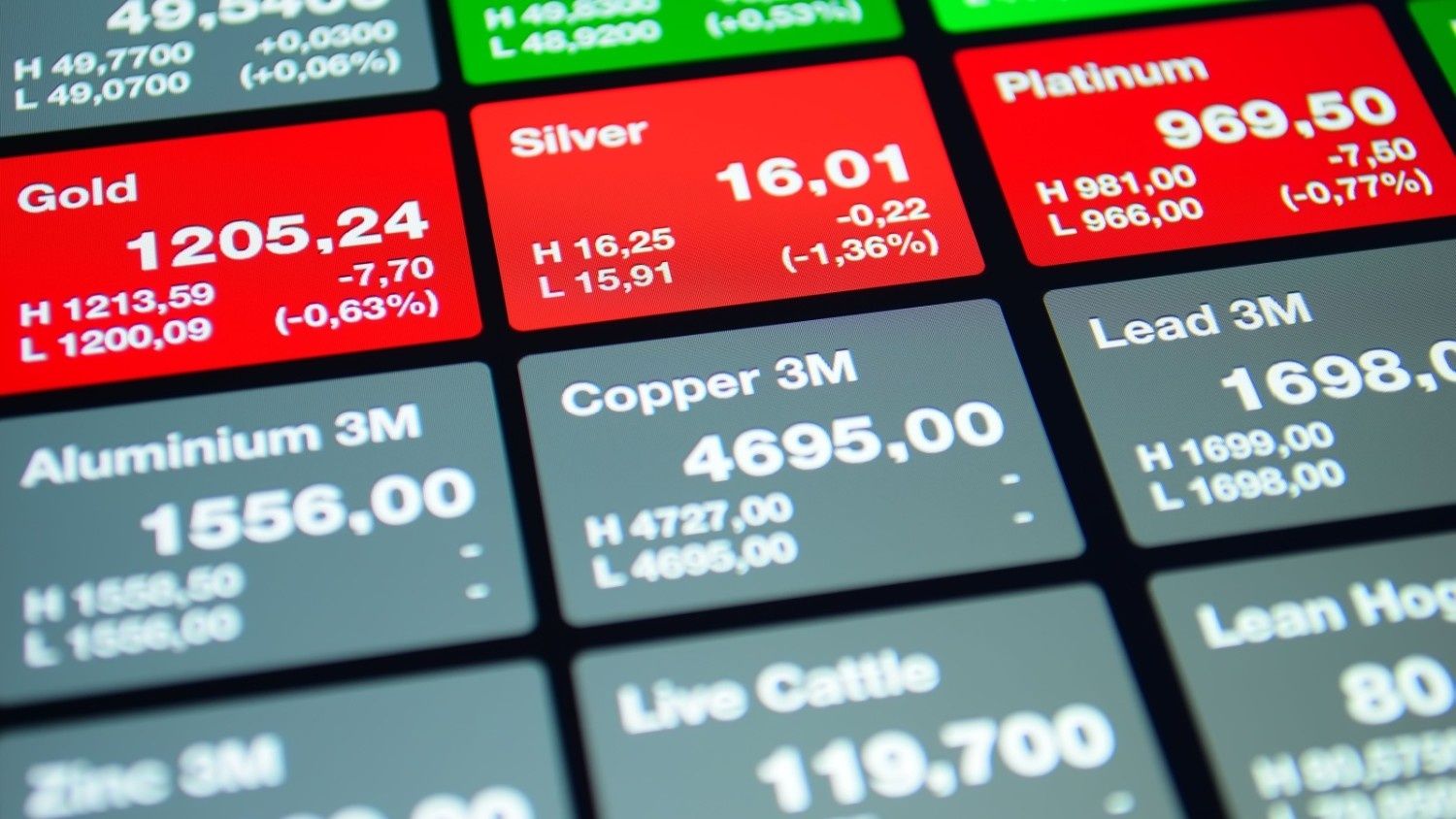

If you are someone looking to explore the commodity trading market, then it's time to create a commodity trading plan. A plan or a roadmap helps you to navigate the volatile commodity market moves strategically. Let’s get started with preparing the map.
What is Commodity Trading?
Commodity trading refers to the buying and selling of commodities through a commodity exchange. Commodity trading can be done physically, but here we will only focus on the electronic way of dealing in commodities. The commodity derivative contracts are traded on an exchange with anonymous buyers and sellers.
A derivative contract is an agreement to buy or sell an asset at a set price on a specific future date. A trader enters into a trade for various reasons; it can be due to hedging the risk of a physical commodity or just to capitalise on the short-term price movements to generate returns.
Roadmap to Develop a Commodity Trading Plan
Commodity trading is similar to any other form of trading; there are different ways to succeed in trading, but at the beginning, the following roadmap is the same for all:
1. Define a Goal: A trading plan should be based on specific goals. The goal can be to speculate on the short-term price movements, swing trading or hedge the risk of a physical commodity.
For example, if your goal is to make money from capitalising on short-term price movements. Then you need to focus more on technical analysis and risk management.
2. Develop a Trading Strategy : A trading strategy is a plan where certain criteria are set, which define when to place a buy or sell order. The criteria are set by the trader themselves; it can be based on any technical indicators.
3. Find a Commodity Broker : Look for a commodity broker who suits your investment needs. Check the brokerage cost, trading platform, review, customer services and many such useful things. Upstox, a SEBI-registered commodity broker, can be your preferred broker, which offers trading at flat brokerage, and the platform is loaded with many useful features.
4. Set up a Commodity Trading Account : Open a trading account to buy/sell commodity derivatives. With this account, a trader will be able to manage all trading-related transactions.
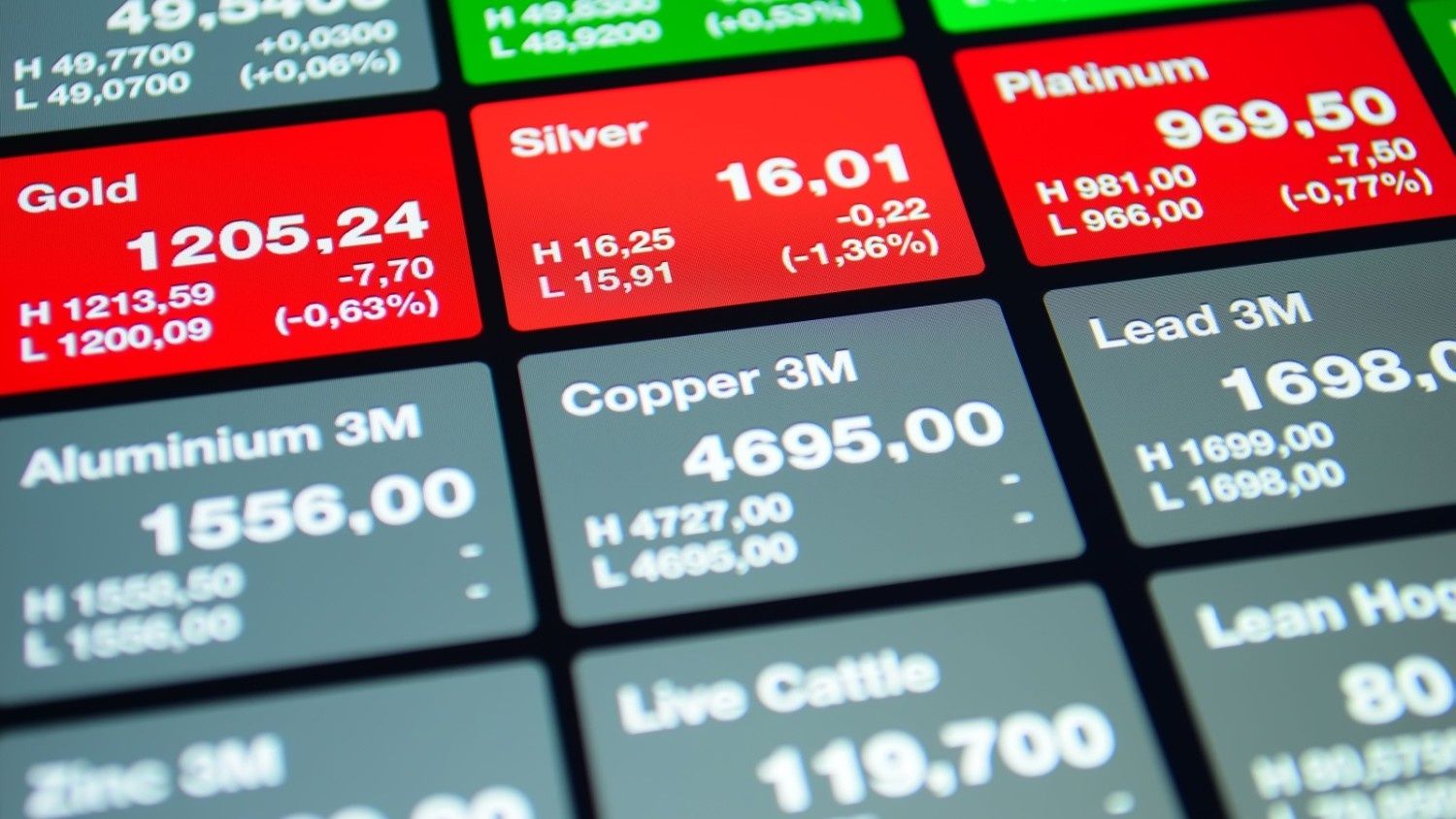
5. Create a Commodity Watchlist : Create a watchlist of commodities that are suitable to trade as per your needs. A few names of highly volatile commodities are Gold, Crude Oil, Silver, Natural Gas and more.
6. One Lot Trading : Start your commodity trading with low position sizing. It means initially keep the quantity low and invest the minimum capital possible. It gives you an idea of the price fluctuation of a particular commodity.
7. Deploy Strategies : Slowly, deploy your trading strategy to capitalise on the short-term price movement as decided at the time of defining a goal. This goal can be different for different individuals.
8. Risk Management : While trading in commodities, evaluate the risk in each trade and build positions accordingly. High-risk trades can erode your big chunk of capital in a short period of time. Use stoploss to protect capital when the market moves in the opposite direction from your trade.
Commodity Trading in India: Overnight Risk
Risk is involved in every type of trading. In commodity trading, the risk can be from global factors such as geopolitical uncertainty, economic policies, currency rate fluctuations, etc.
The commodities derivatives are globally traded from Monday to Friday for 24 hours. However, in India, the commodity trading timings are 9 AM to 11:30 PM. It means the commodity market is open for 14.5 hours a day; any overnight positive or negative news in global markets can impact commodity prices.

A commodity trading plan is a roadmap which guides a new trader looking to start commodity. Remember, a trading plan will not only help to strategically participate in the markets but also help to identify mistakes. Therefore, a detailed trading plan can save a lot of time, money and energy in live markets.
About Author
Subhasish Mandal
Sub-Editor
Finance professional with strong expertise in stock market and personal finance writing, he excels at breaking down complex financial concepts into simple, actionable insights. Holding a Master’s degree in Commerce, he combines academic depth with practical knowledge of technical analysis and derivatives.
Read more from Subhasish














Upstox is a leading Indian financial services company that offers online trading and investment services in stocks, commodities, currencies, mutual funds, and more. Founded in 2009 and headquartered in Mumbai, Upstox is backed by prominent investors including Ratan Tata, Tiger Global, and Kalaari Capital. It operates under RKSV Securities and is registered with SEBI, NSE, BSE, and other regulatory bodies, ensuring secure and compliant trading experiences.
Related articles

Trading Account
Insider Trading in India: Understanding the Legal Framework6 min read | Written by Upstox Desk


Trading Account
Gross Profit - Formula, Ratio, Meaning, Net Profit, Margin, & How to Calculate2 min read | Written by Pradnya Surana

Trading Account
What is Swing Trading for Beginners - Strategies, Meaning, Indicators, & How to Do5 min read | Written by Dev Sethia
Trading Account
Buy Today and Sell Tomorrow (BTST) Trading Strategy3 min read | Written by Subhasish Mandal
Trading Account
Commodity Market Trading For Beginners & How to Trade in India - Strategy & Meaning5 min read | Written by Mariyam Sara