Venture Capital in India: Meaning, Features, Types, Advantages and Disadvantages

Written by Subhasish Mandal
Published on December 22, 2025 | 3 min read


New-age entrepreneurs grow when they get access to capital for innovating and running the business. In the initial stage of startups, banks and other financial institutions often refuse to sanction loans due to a lack of proper financial statements, an unhealthy balance sheet, no proper track record and collateral. This is when Venture capital (VC) comes into the picture, as a private financier who believes in the business idea and invests money in it.
What is Venture Capital?
Venture capital (VC) is a form of private financing that supports new-age companies and startups in their initial stages of functioning. VCs not only provide investment support, but also business guidance to help businesses to grow and innovate. This collaborative approach makes VC different from other forms of financing.
Venture capital firms get a part of the company’s ownership in exchange for money. If the startups perform well in the long-term, valuation will grow, benefiting the VCs at the time of exit.
How Does Venture Capital Work?
Venture Capital has a set of criteria to evaluate new companies or startups. While analysing, they not only look at the product/service or revenue, but also do sector and industry analysis to identify the future demand. If found, a product is reliable and backed by efficient management, they invest money in it. In exchange, they receive a certain portion of the company’s ownership. Venture capital expects the business to grow in the coming years and generate a return on the initial investment.
Features of Venture Capital
Venture capital has unique features that set it apart from other financing options for the new-age companies and startups:
Equity Investment
VC invests money in new companies for their growth in exchange for a certain portion of ownership stakes in the company.
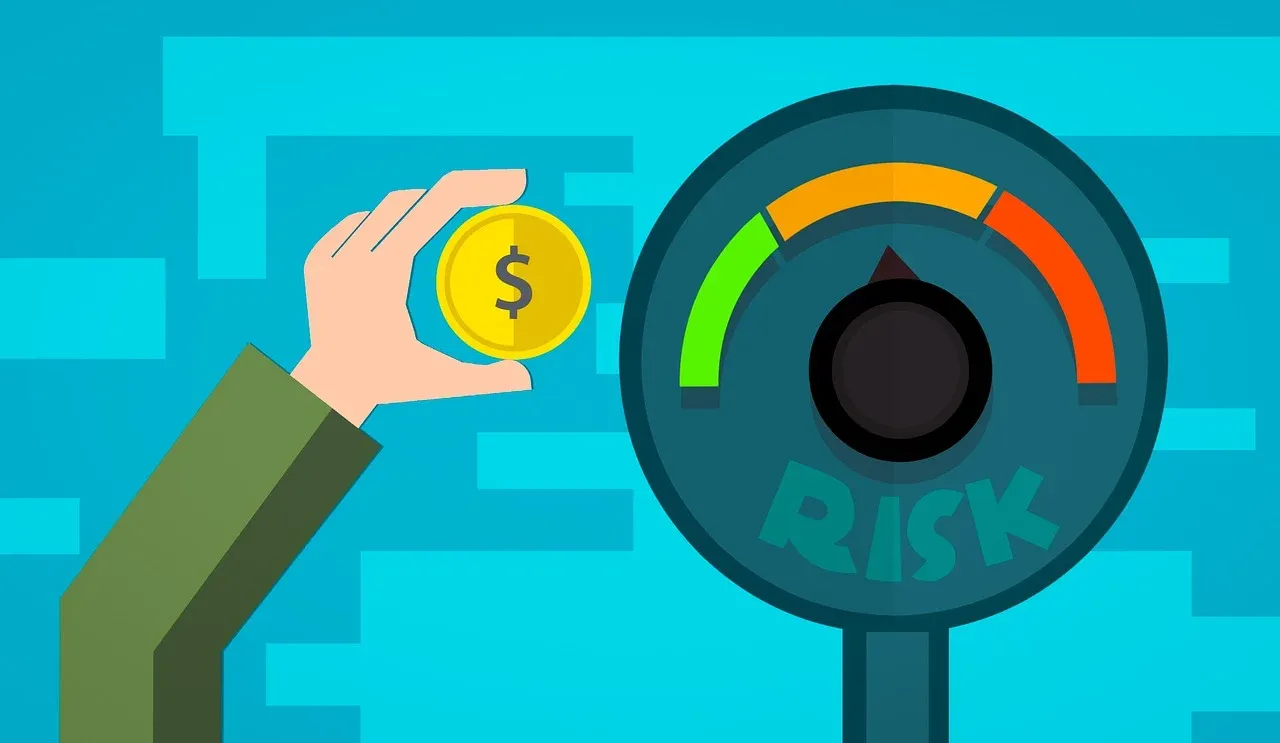
High Risk and High Reward
They invest in high-risk companies that do not have consistent revenues or established financials. But if the business performs well in the coming years, VCs can get a huge return on investment.
Active Presence in Business
VCs invest money as well as time to make strategic decisions for the growth of the company. They help companies with their networks and mentorships. Networking helps the startups to connect with distribution channels, industry experts, researchers and more.
Different Funding Stages
VCs provide funding at various stages of a company's growth. From seed capital to later-stage funding.
Long-term Investing
VCs understand that startups need time to grow. Therefore, they invest money for medium to long-term.
Exit Route
VCs exit through IPOs, acquisitions or private equity sales.
Prominent Venture Capital Firms in India
- Accel India
- Peak XV Partners
- Matrix Partners India
- Blume Ventures
- Kalaari Capital
- Lightspeed India
- Nexus Venture Partners
Types of Venture Capital Funding
Venture Capital can be classified into stages in which it invests in the company. It has six types:
Seed Funding
It is the capital invested for idea validation and early development.
Startup Capital
It is utilised at the time of creating a prototype of the product, hiring field experts.
Series-A funding
At this stage, money is utilised for commercial manufacturing of a product and marketing.
Expansion Funding
Here, capital is used for expanding its operations.
Late-Stage Funding
It is offered to businesses that have market presence and for which revenue growth is visible.
Bridge Funding
It helps startups to meet its short term expenses and is necessary to file an IPO.
Advantages of Venture Capital
Venture capital provides many benefits to new-age entrepreneurs and startup companies:
-
Access to Capital : Venture capital invests money in startups to give shape to a business idea from the developing stage to the selling of products/services stage.
-
Strategic Guidance : They offer valuable strategic guidance to startups, which helps in decision-making.
-
Networking : VCs help businesses to connect with the investment and business community who share the same goal. Networking also helps the company to connect with distribution channels, industry experts, researchers and more.
-
Credibility : VC funding validates the startup’s credibility and attracts more investments.
-
Long-term partnership : These firms invest for long-term, a minimum of three to five years.
Disadvantages of Venture Capital
Here are certain risks involved:
-
Startup Failure : Startups have a very low success ratio, so a failed startup can erode the VC's invested capital.
-
Lack of Liquidity : VCs are early-stage investors, and deal with a lack of liquidity to sell shares for many years until the startup gets the market presence.
-
Market Shifts : Consumer taste and demand for startup products can change over the years. It increases the risk of startup failure.

Venture capital is a form of financing that invests money in new-age companies or startups. It helps a startup from the idea stage to developing a final product stage and selling in markets. They not only invest money but also provide strategic guidance for the growth of the company.
As India’s startup landscape continues to evolve, it's important to understand the role of Venture capital in the growth of startup ecosystems.
About Author
Subhasish Mandal
Sub-Editor
Finance professional with strong expertise in stock market and personal finance writing, he excels at breaking down complex financial concepts into simple, actionable insights. Holding a Master’s degree in Commerce, he combines academic depth with practical knowledge of technical analysis and derivatives.
Read more from Subhasish





















Upstox is a leading Indian financial services company that offers online trading and investment services in stocks, commodities, currencies, mutual funds, and more. Founded in 2009 and headquartered in Mumbai, Upstox is backed by prominent investors including Ratan Tata, Tiger Global, and Kalaari Capital. It operates under RKSV Securities and is registered with SEBI, NSE, BSE, and other regulatory bodies, ensuring secure and compliant trading experiences.
Related articles

Share Market
India's LPG Crisis Is the Wake-Up Call. Renewables Are the Answer6 min read | Written by Pradnya Surana

Share Market
What is the Difference Between Small Gain & Capital Gain?4 min read | Written by Dev Sethia
Share Market
Types of Stocks: Large Cap, Mid Cap, Small Cap Explained5 min read | Written by Pradnya Surana




Share Market
How Dividends Help You Earn Passive Income From the Stock Market3 min read | Written by Pradnya Surana