Trend Analysis: Meaning, Types, Benefits

Written by Subhasish Mandal
Published on October 28, 2025 | 4 min read


Trend analysis in the share market is a statistical method to analyse past price data to predict the future price of a stock or any tradable asset. By leveraging data, it helps to make smart decisions for businesses, investors, and policymakers. Trend can be upward, downward or flat and carries unique planning implications. Successful trend analysis requires clear goals, suitable tools, awareness of market and unbiased interpretation.
What is Trend Analysis?
Trend analysis is a method of technical analysis used to predict the future price movements of the stock. It examines historical price data, price patterns, trading volume, and momentum to identify the market direction. By identifying upward, downward or sideways trends, investors and traders get the idea of potential demand and supply zones.
Trend analysis also focuses on the long-term market behaviour and sentiment, providing insights for continuation or reversal. It is widely used in the world of financial markets for strategic decision making.
Types of Trend Analysis
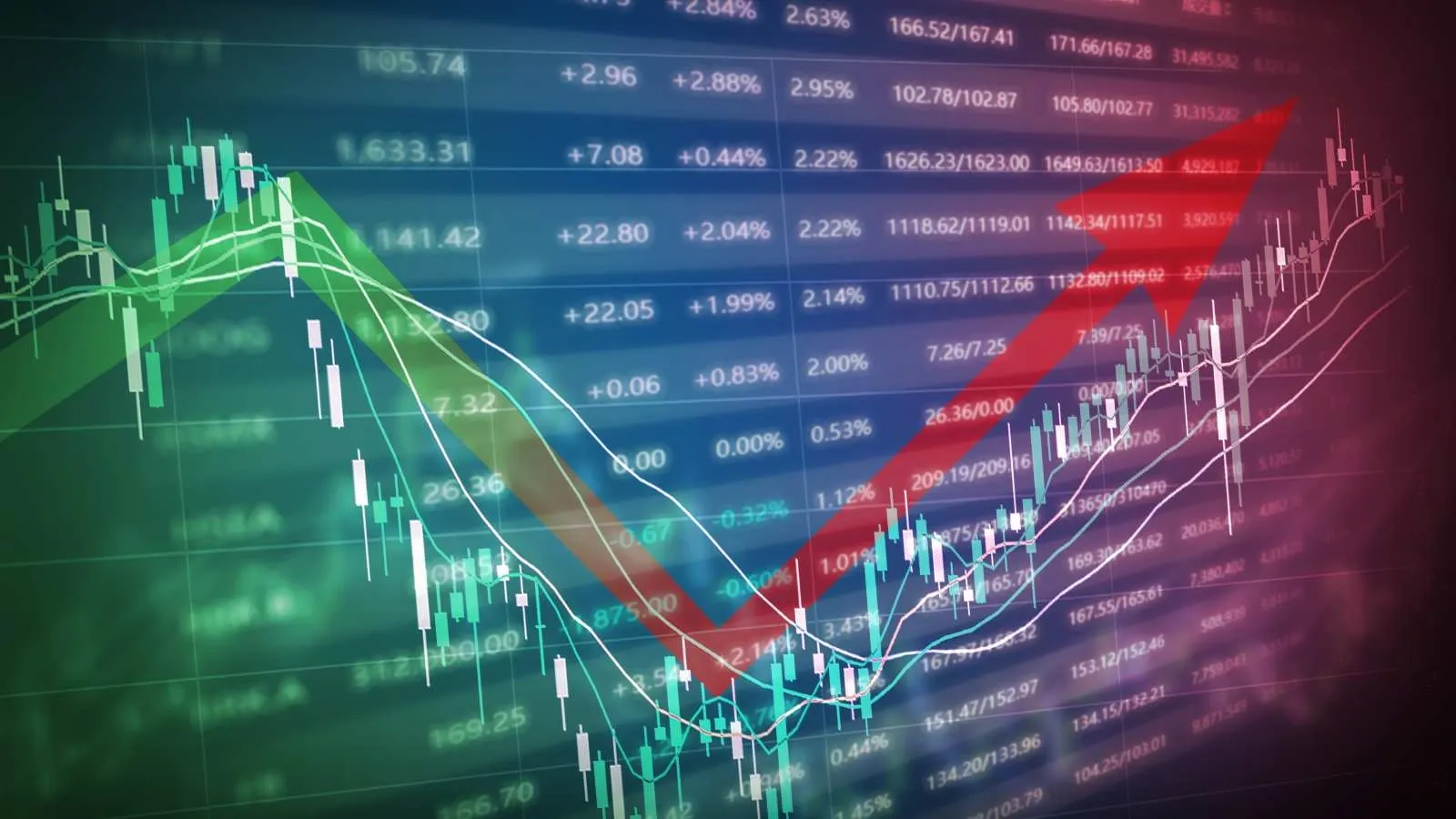
Trend can be classified into three main types. Uptrend, downtrend or sideways trend. Let’s discuss each type of trend and its interpretation:
1. Upward Trend: The trend is considered upward, when the price of an asset is making a higher highs and closing above the previous day high. Investors and traders interpret rising stock prices as a positive signal and look for potential buying opportunities.
2. Downward Trend: The trend is considered downward, when the price of an asset is going down and closing below the previous day low. Investors and traders interpret falling stock prices as an alarming signal and become cautious.
3. Sideways Trend: The trend is considered downward, when the price of an asset is consolidating in the range. The range can be wider or narrower. Investors and traders interpret a sideways trend as an accumulation. In the accumulation phase, smart money buys shares slowly after a decline, keeping the price in a range.
Formula for Trend Analysis
The formula for the trend analysis is quite simple and straightforward:
Trend percentage = {(Current value - previous value / previous value} x 100.
This formula calculates percentage change between the current value and the previous value. A positive percentage value indicates an uptrend, while a negative percentage value indicates downtrend.
How To Perform Trend Analysis?
Trend analysis involves interpretation of historical data to identify future price patterns. It also helps in evaluating market direction and making better investment decisions.
- Define the objective and scope
- Collect data
- Choose the right tools and techniques
- Analyse the data
- Interpret the results
- Validate the findings
- Report and implement findings
Use Case Areas of Trend Analysis
Trend analysis can be useful in various financial fields:
Stock Market
Investors and traders use trend analysis to predict the market direction.
Economic Forecasting
Economists rely on trend analysis to forecast economic indicators such as GDP, inflation and unemployment rates.
Industry Analysis
Trend analysis helps in understanding and predicting the growth trajectory of specific industries.
Risk management
Trend analysis helps in managing risk by identifying patterns that may lead to financial loss in future.
Benefits of Trend Analysis
Trend analysis is an essential tool in order to make informed investment as well as business decisions. By analysing trends companies can identify patterns and predict future performance. Some of the benefits of trend analysis are:
-
Identifying Opportunities: By analysing the trend, companies can identify emerging market opportunities and can make strategic decisions.
-
Forecasting Future Performance: Trend analysis helps companies to forecast performance based on the historical data. This helps in making appropriate decisions and investments, staffing and other areas.
-
Tracking Progress: Trend analysis helps businesses to track progress and identify areas of improvement. This helps organisations to stay on track with their goals and make necessary adjustments to their strategies.
-
Managing Risk: By monitoring trends, businesses can identify upcoming risk and get time to mitigate it.

Trend analysis acts as a crucial tool in making financial decisions and predicting market direction. It has certain limitations but still gives an idea to investors, traders and policy makers to understand market dynamics.
About Author
Subhasish Mandal
Sub-Editor
Finance professional with strong expertise in stock market and personal finance writing, he excels at breaking down complex financial concepts into simple, actionable insights. Holding a Master’s degree in Commerce, he combines academic depth with practical knowledge of technical analysis and derivatives.
Read more from Subhasish



















Upstox is a leading Indian financial services company that offers online trading and investment services in stocks, commodities, currencies, mutual funds, and more. Founded in 2009 and headquartered in Mumbai, Upstox is backed by prominent investors including Ratan Tata, Tiger Global, and Kalaari Capital. It operates under RKSV Securities and is registered with SEBI, NSE, BSE, and other regulatory bodies, ensuring secure and compliant trading experiences.
Related articles

Share Market
How the RBI Defends the Indian Rupee through Strategic Forex Intervention13 min read | Written by Bidita Sen

Share Market
Impact of Rupee Depreciation on the Stock Market3 min read | Written by Subhasish Mandal

Share Market
India's LPG Crisis Is the Wake-Up Call. Renewables Are the Answer6 min read | Written by Pradnya Surana


Share Market
What is the Difference Between Small Gain & Capital Gain?4 min read | Written by Dev Sethia

Share Market
Types of Stocks: Large Cap, Mid Cap, Small Cap Explained5 min read | Written by Pradnya Surana