What is the Difference Between Small Gain & Capital Gain?

Written by Dev Sethia
Published on December 12, 2025 | 4 min read
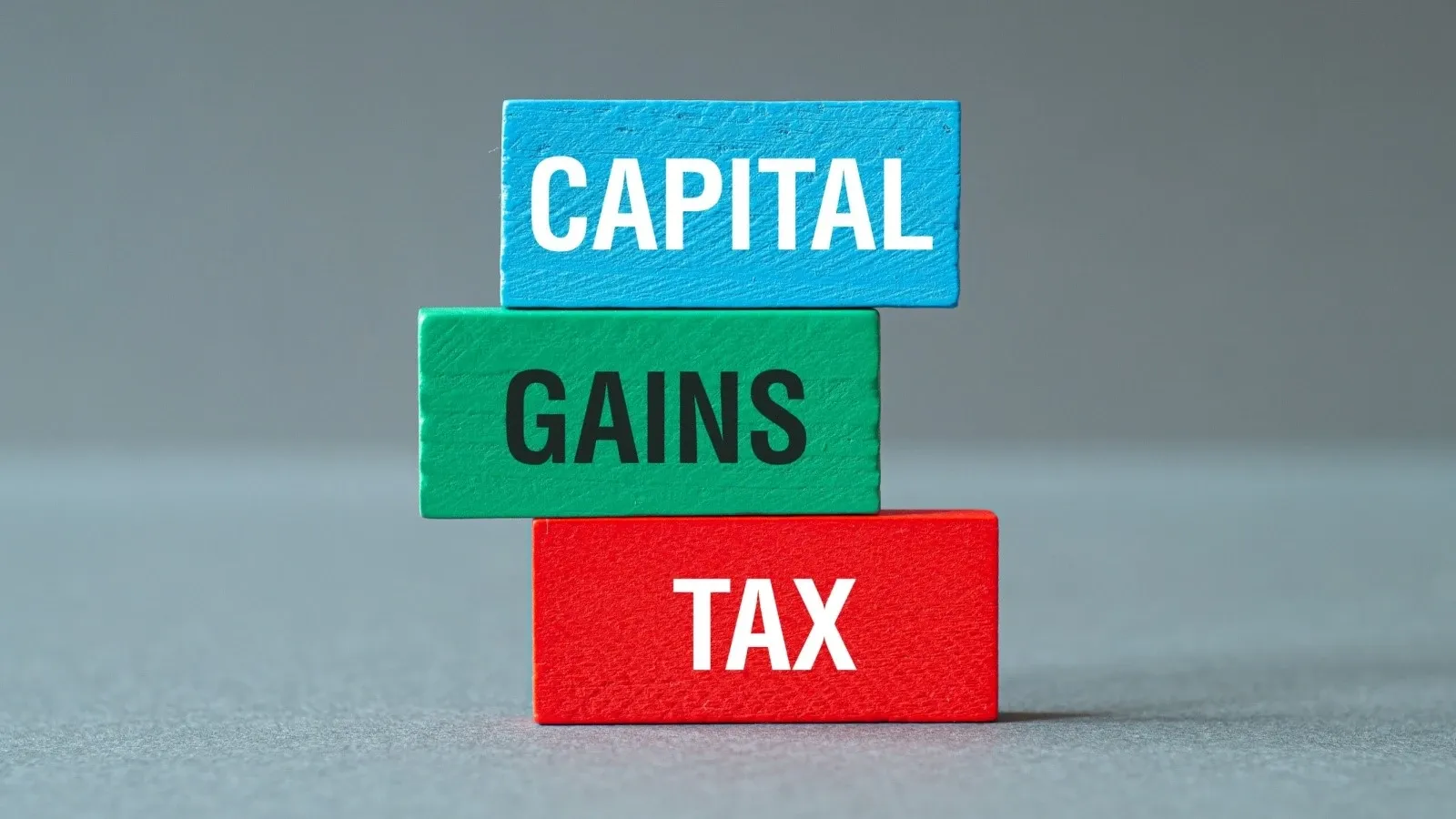

Investors place their funds into a variety of different investments, including stocks, bonds, mutual funds, real estate, and cryptocurrency, with the hope of generating a consistent return on their money over time.
While extensive investments can receive a tax exemption by law, the gains on these investments when sold are generally subject to tax. The amount of tax to be paid on an investment's sale depends on both an individual's income level as well as how long the investment was held.
Thus, two individuals who have the same profit from selling an investment may have different amounts of tax due on their profits.
Understanding Capital Assets and Capital Gains
For tax purposes, "capital assets" are defined as any item that someone owns (outside of his/her business), such as buildings, mutual funds, stocks, cryptocurrency and jewellery, or any type of property.
Capital assets can be related to an individual's career or profession (a business) but are not always related. Examples of Property Capital Assets that are not included under this definition are raw materials, personal items and rural agricultural land.
The term "capital gain" refers to the profit (difference) realized on the sale of a capital asset after it has been sold for a higher price than the acquisition cost. Capital Gains are subject to taxation under the Income Tax Act, 1961.
As an example: if Mr. A subscribes to an Initial Public Offering (IPO) and subsequently sells the stocks of Company B at a profit, he would have to pay taxes on the profit if the stocks were held for less than 12 months (short-term) at 10% over ₹1 lakh under section 112A, but if they were held for greater than 12 months, Mr. A would be responsible for paying taxes at 15% under section 111A as a long-term capital gain.
How Capital Gains Are Categorised?
Based on the duration for which the investment is held, capital gains fall into two categories:
Short-Term Capital Gains (STCG)
Long-Term Capital Gains (LTCG) Differences Between Short-Term and Long-Term Gains
| Feature | Short-Term Capital Gains (STCG) | Long-Term Capital Gains (LTCG) |
|---|---|---|
| Holding Period | Assets held for one year or less for most securities | Assets held for more than one year |
| Tax Rate | Generally taxed at a higher rate, often at your regular income tax slab rates | Generally taxed at a lower rate |
| Example (2024 Tax Year) | On certain equity investments, taxed at 20% | On certain equity investments, taxed at 12.5% |
| Exemptions | No exemption for the first ₹1.25 lakh on certain equity investments | Exemption on the first ₹1.25 lakh on certain equity investments |
| Tax Efficiency | Less tax-efficient due to higher tax rates | More tax-efficient due to lower tax rates |
Ways to Reduce Tax on Capital Gains
- Hold Investments Longer
Avoid selling assets too early unless necessary. Holding them for more than a year often results in lower tax liability.
- Use Available Exemptions
Sections such as 10(37), 64, 54F, and 54EC provide tax-saving opportunities on long-term gains
- Set Off Capital Losses
Many investors overlook loss adjustment, which could significantly reduce taxable income.

While maximizing long-term investments can potentially provide higher returns, they also carry a greater risk of incurring a significant tax liability if not handled appropriately. Improper use of exemptions and failure to offset losses could lead to an increased tax burden than what would be necessary.
Therefore, it is essential for investors to become aware of current tax laws, make use of any exemptions or tax reliefs available to them and seek the advice of a qualified financial advisor as needed to assist in the making of well-informed financial decisions.
About Author
Dev Sethia
Sub-Editor
a journalism post-graduate from ACJ-Bloomberg with over three years of experience covering financial and business stories. At Upstox, he writes on capital markets and personal finance, with a keen focus on the stock market, companies, and multimedia reporting. When he’s not writing, you’ll find him on the cricket pitch
Read more from Dev



















Upstox is a leading Indian financial services company that offers online trading and investment services in stocks, commodities, currencies, mutual funds, and more. Founded in 2009 and headquartered in Mumbai, Upstox is backed by prominent investors including Ratan Tata, Tiger Global, and Kalaari Capital. It operates under RKSV Securities and is registered with SEBI, NSE, BSE, and other regulatory bodies, ensuring secure and compliant trading experiences.
Related articles

Share Market
India's LPG Crisis Is the Wake-Up Call. Renewables Are the Answer6 min read | Written by Pradnya Surana

Share Market
Types of Stocks: Large Cap, Mid Cap, Small Cap Explained5 min read | Written by Pradnya Surana




Share Market
How Dividends Help You Earn Passive Income From the Stock Market3 min read | Written by Pradnya Surana

Share Market
Growth Stocks in India – Their Meaning, How to Find & Examples4 min read | Written by Pradnya Surana