What is Slippage in Trading? How to Manage it?

Written by Subhasish Mandal
Published on December 16, 2025 | 2 min read

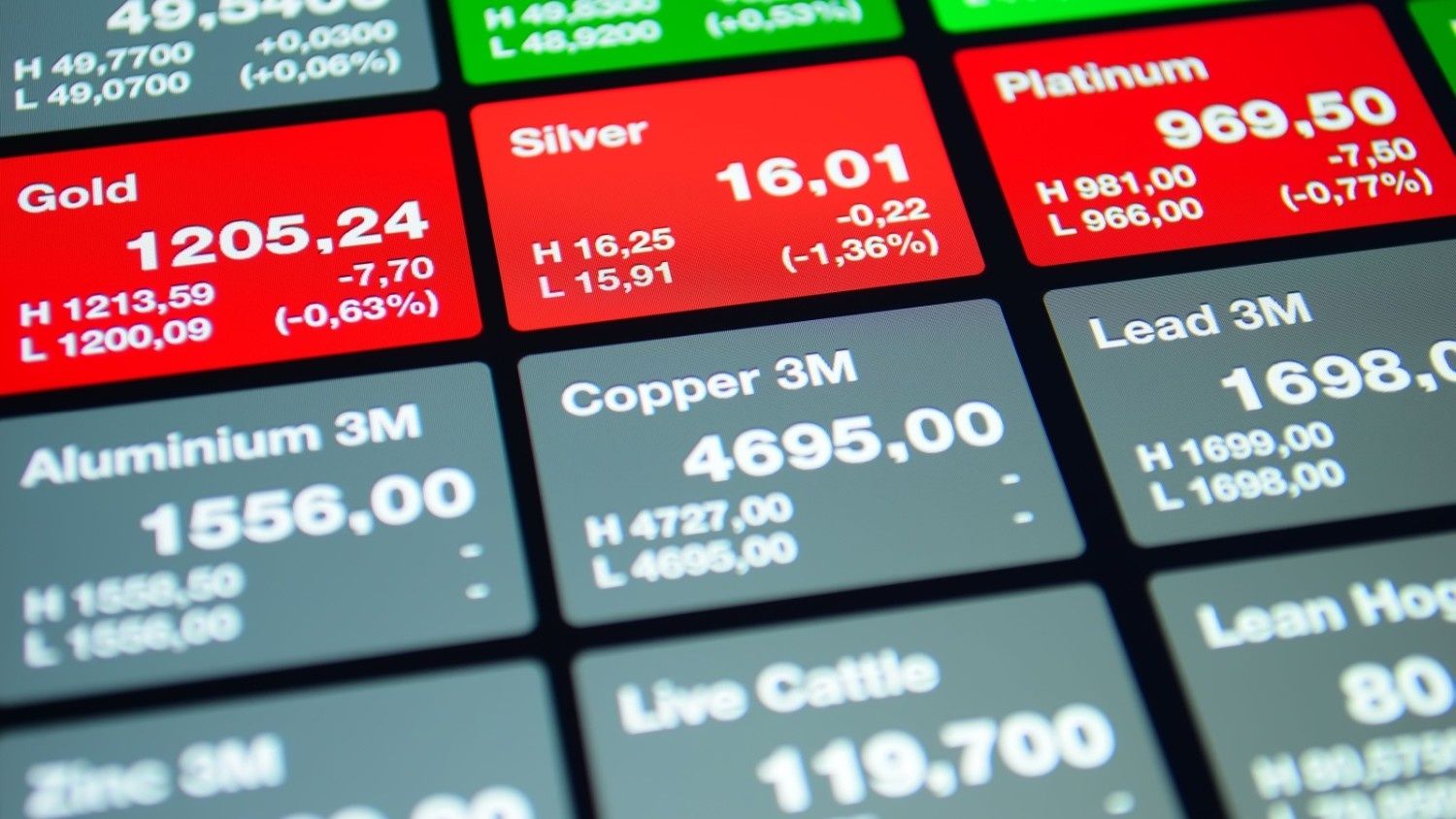
In finance terms, slippage is the difference between the expected price of a trade and actual execution price. Slippage happened in all types of tradable markets, whether its stock market, forex, commodity or cryptocurrencies. In trading slippage is very common, this is because market price constantly fluctuates due to various factors. In this article, we will discuss slippage, how it happens, factors contributing and ways to manage it.
Slippage in Trading
Slippage in trading is the difference between the price you expect to buy the shares and the actual price you pay for it at the time of execution. It happens due to high or low volatility in the market leading to positive or negative outcomes.
Positive and Negative Slippage
Positive slippage is when your buy trades execute at a lower price than expected. It benefits the buyer, as he/she can sell at a higher price and make profit out of it.
While the negative slippage is when the buy trades execute at a higher price than expected. It is kind of a negative scenario for the buyer because he needs to pay a higher price for the same quantity of shares.
Suppose, a trader wants to buy 100 shares of ABC company at a price of ₹20. But due to slippage, the buy order gets executed at a price of ₹19 per share. So, this is the scenario of positive slippage, as buyers pay lower prices than expected.
On the other hand, when a trader wants to buy the 100 shares of ABC company at a price of ₹20. But due to slippage, the order gets filled at ₹21. Here, the buyers ₹1 extra per share. Therefore, it is considered at negative slippage.
Factors Contributing to Slippage
There are many factors which directly or indirectly contribute to slippage happening in the market:
Volatility
Prices of an asset experience rapid changes in the volatile market environment. Due to this, execution prices often get shifted higher or lower.
Liquidity
When any asset lacks liquidity, it becomes difficult to find a counterparty that matches buying/selling price. At the time, the order got executed on the available price and buyer/seller needed to face the slippage.
Order Type
Limit orders are good for eliminating the slippage. On the other hand, market orders are more likely to face the slippage, as orders get executed at the best available price.
Technology and Latency
In the world of high frequency trading, trades get filled in milliseconds. The high-speed trading system can lead to latency and delay in order processing can lead to slippage.
Large order impact
At times, when a large quantity of order is placed, the slippage in prices is common due to demand and supply gaps.
Way to Manage Slippage in Trading
Slippage in trading is very common, it cannot be completely eliminated but by taking some precautions, it can be managed.
Using Limit Order
Limit order is an order type which helps the trader to buy and sell at a fixed mentioned price. Traders must consider placing limit order, instead of market order to avoid slippage.
Trade High Liquidity Stock
Focus on trading those stocks or scrip which had tight bid ask spread. The orders in high liquidity stocks often get executed at a desired price.
Avoid Trading Events
At the time of major economic events like Budget, RBI MPC, Fed rates etc, the volatility increases. When volatility suddenly shoots up, slippage can occur.
Split Large Orders
Try to break down the large quantity using order slicing. It helps to reduce the market impact and sudden price moves.

Slippage in trading can happen at any point of time, it's most common in high volatile markets and low liquidity stock or scrip. So, while trading it's important to understand the scenarios when slippage happens and ways to manage it. Understanding the slippage can help to reduce the extra cost you pay, while participating in markets.
About Author
Subhasish Mandal
Sub-Editor
Finance professional with strong expertise in stock market and personal finance writing, he excels at breaking down complex financial concepts into simple, actionable insights. Holding a Master’s degree in Commerce, he combines academic depth with practical knowledge of technical analysis and derivatives.
Read more from Subhasish











Upstox is a leading Indian financial services company that offers online trading and investment services in stocks, commodities, currencies, mutual funds, and more. Founded in 2009 and headquartered in Mumbai, Upstox is backed by prominent investors including Ratan Tata, Tiger Global, and Kalaari Capital. It operates under RKSV Securities and is registered with SEBI, NSE, BSE, and other regulatory bodies, ensuring secure and compliant trading experiences.
Related articles

Share Market
India's LPG Crisis Is the Wake-Up Call. Renewables Are the Answer6 min read | Written by Pradnya Surana
Share Market
What is the Difference Between Small Gain & Capital Gain?4 min read | Written by Dev Sethia

Share Market
Types of Stocks: Large Cap, Mid Cap, Small Cap Explained5 min read | Written by Pradnya Surana


Share Market
How Dividends Help You Earn Passive Income From the Stock Market3 min read | Written by Pradnya Surana