What Is Market Volatility and How to Handle It?

Written by Mariyam Sara
Published on November 27, 2025 | 3 min read
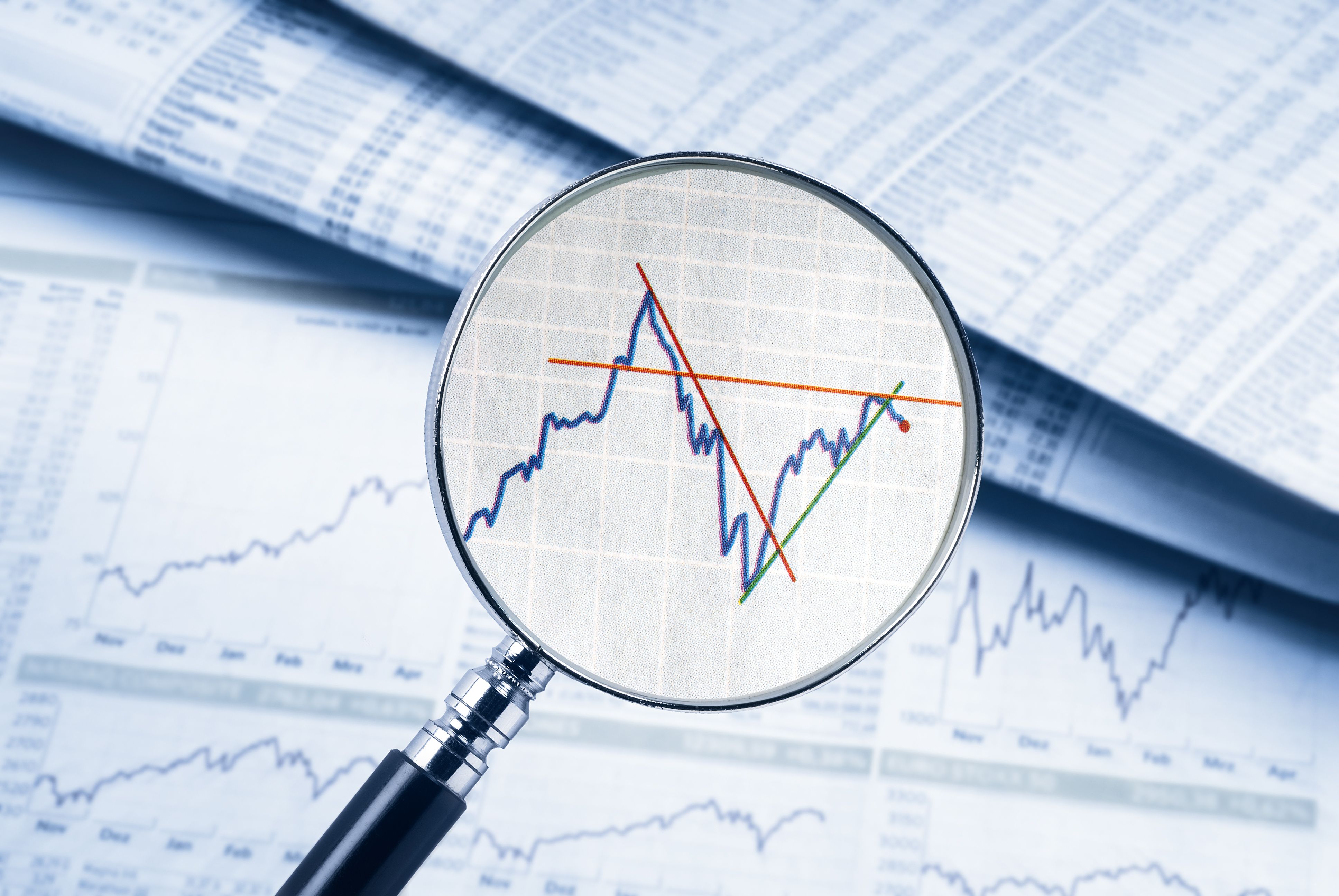

Volatility is a crucial feature of the stock market that can be a bane or a boon, depending on whether you are an investor or trader. Since volatility is inevitable and uncontrollable, knowing how to handle it will help you make smart trading decisions.
Market volatility is the rise and fall in stock prices caused by various factors such as political events, geopolitical tensions, economic conditions or speculation.
What Is Market Volatility?
Market volatility is the rate at which prices of securities fluctuate in a period of time. In simple words, market volatility refers to how quickly and how much the prices of securities change. If the prices in the market fluctuate substantially and frequently, the market volatility is said to be high. Whereas, if the market prices exhibit small price swings with low frequency, the market’s volatility is considered to be low.
For investors, volatility is not of much consequence since investments are made keeping long-term performance in mind. But volatility plays a crucial role in helping traders book profit by capitalising on the favourable market volatility.
Market volatility impacts mutual fund investments as well, since equity mutual funds invest in stocks and changes in stock prices will reflect in the NAV of your mutual fund units. In times of high volatility, the NAV of your units will also experience high price swings.
How Is Market Volatility Measured?
Volatility is measured using a statistical tool called ‘Standard Deviation’. Standard deviation tells us how much the return deviates from the average in a period of time. A high standard deviation signifies larger price swings and higher volatility, while a lower standard deviation indicates low volatility.
Many investors and analysts use Beta (ꞵ) to measure market volatility. Beta shows the relationship between a stock’s price to its relevant market benchmark.
Let’s understand the concept of Beta with an example,
For instance, you buy a stock with a beta value of 1.5 and its benchmark index is NIFTY 50. That means if the NIFTY 50 moves by 10%, the stock will move by 1.5 times the index’s movement, i.e 10%.
Here’s what different Beta values mean:
Beta > 1, the stock is more volatile than the benchmark index.
Beta < 1, the stock is less volatile than the benchmark index.
Beta = 1, the stocks mirror the benchmark index.
Factors Causing Market Volatility
Several factors cause market volatility and impact your investments. The following are a few key factors and how they impact market volatility.
Economic Indicators
Market volatility increases whenever the government releases reports on inflation, GDP growth, and employment, resulting in significant market volatility as investors and traders adjust their portfolios and strategies as per the new economic developments.
Interest Rate
When the RBI increases the interest rates, it increases the borrowing cost for companies and the general public. The increased interest rates on loans will reduce the company’s profit, consumer spending, and move investors away from risky equity investments to low-risk bonds with high interest rates.
Company Performance
When companies publish their quarterly and annual financial reports, market volatility increases as investors sell or buy stocks as on the financial reports of companies. Inventors prefer to invest in companies with future growth potential and better
Geopolitical Events
Trade wars, geopolitical events and conflicts create uncertainty about the future, making investors uneasy. This causes a frenzy among investors, which is reflected by high market volatility.
Supply & Demand Dynamics
General market volatility is a product of the push and pull between the bulls and the bears. As demand rises and supply shrinks, prices rise, while a low demand relative to supply leads to price drops.
Is Volatility Good or Bad?
Whether you like it or not, volatility is an inevitable part of the stock market. But depending on your investment strategy, it can either benefit or harm you. If you’re an investor with a long-term wealth creation goal, invest in low-volatility stocks with steady growth so you don't have to constantly monitor the stock prices.
If you're a trader, your whole strategy depends on volatility. High volatility will increase your chances of profits but carries a higher risk of loss. Meanwhile, moderate volatility may reduce your chances of profit and loss.
How to Handle Market Volatility?
High market volatility creates anxiety and fear among investors, forcing them to sell their investments to cut losses. But that will only harm your long-term investment plan and disrupt the capital growth. Here’s how you should handle market volatility.

Focus On Your Long-Term Plan
Rise, fall and recover, that is the market’s cycle. If the market is down, it will recover, maybe not immediately, but certainly. Hence, smart investors should let short-term volatility dictate their investment decisions.

Use Volatility to Your Advantage
In times of high volatility, stocks of strong companies may suffer a hit, lowering their prices. This can be the right opportunity to buy stocks of financially strong companies at a lower price and benefit from market recovery.

Maintain an Emergency Fund
To have an emergency fund so you don’t end up selling your investments at lower prices in times of financial crisis.

Adjust Your Portfolio Regularly
Review and rebalance your asset allocation to make sure it aligns with your investment goals and risk tolerance. Create a diversified portfolio to lower your risk exposure or consult a professional to manage your portfolio.

Market volatility is normal, and various factors determine the extent of it. Knowing how to respond to it can help you take advantage of it without harming your investment growth.
About Author
Mariyam Sara
Sub-Editor
holds an MBA in Finance and is a true Finance Fanatic. She writes extensively on all things finance whether it’s stock trading, personal finance, or insurance, chances are she’s covered it. When she’s not writing, she’s busy pursuing NISM certifications, experimenting with new baking recipes.
Read more from Mariyam
















Upstox is a leading Indian financial services company that offers online trading and investment services in stocks, commodities, currencies, mutual funds, and more. Founded in 2009 and headquartered in Mumbai, Upstox is backed by prominent investors including Ratan Tata, Tiger Global, and Kalaari Capital. It operates under RKSV Securities and is registered with SEBI, NSE, BSE, and other regulatory bodies, ensuring secure and compliant trading experiences.
Related articles

Share Market
India's LPG Crisis Is the Wake-Up Call. Renewables Are the Answer6 min read | Written by Pradnya Surana

Share Market
What is the Difference Between Small Gain & Capital Gain?4 min read | Written by Dev Sethia

Share Market
Types of Stocks: Large Cap, Mid Cap, Small Cap Explained5 min read | Written by Pradnya Surana


Share Market
How Dividends Help You Earn Passive Income From the Stock Market3 min read | Written by Pradnya Surana