What Is Intraday Trading vs Delivery Trading?

Written by Pradnya Surana
Published on November 27, 2025 | 3 min read


Intraday and Delivery Trading
In stock markets, trading happens in two styles, Intraday trading and Delivery trading. Both these trading styles involve buying and selling the same available shares. However, they differ in strategy, risk, fund requirement and most importantly, time horizon.
Both these trading strategies have their own merits. As an investor, you need to choose which suits you best for your financial goals and risk tolerance and most importantly, which trade pattern you understand better.
Let’s understand both these trading styles in detail.
What is Delivery Trading?
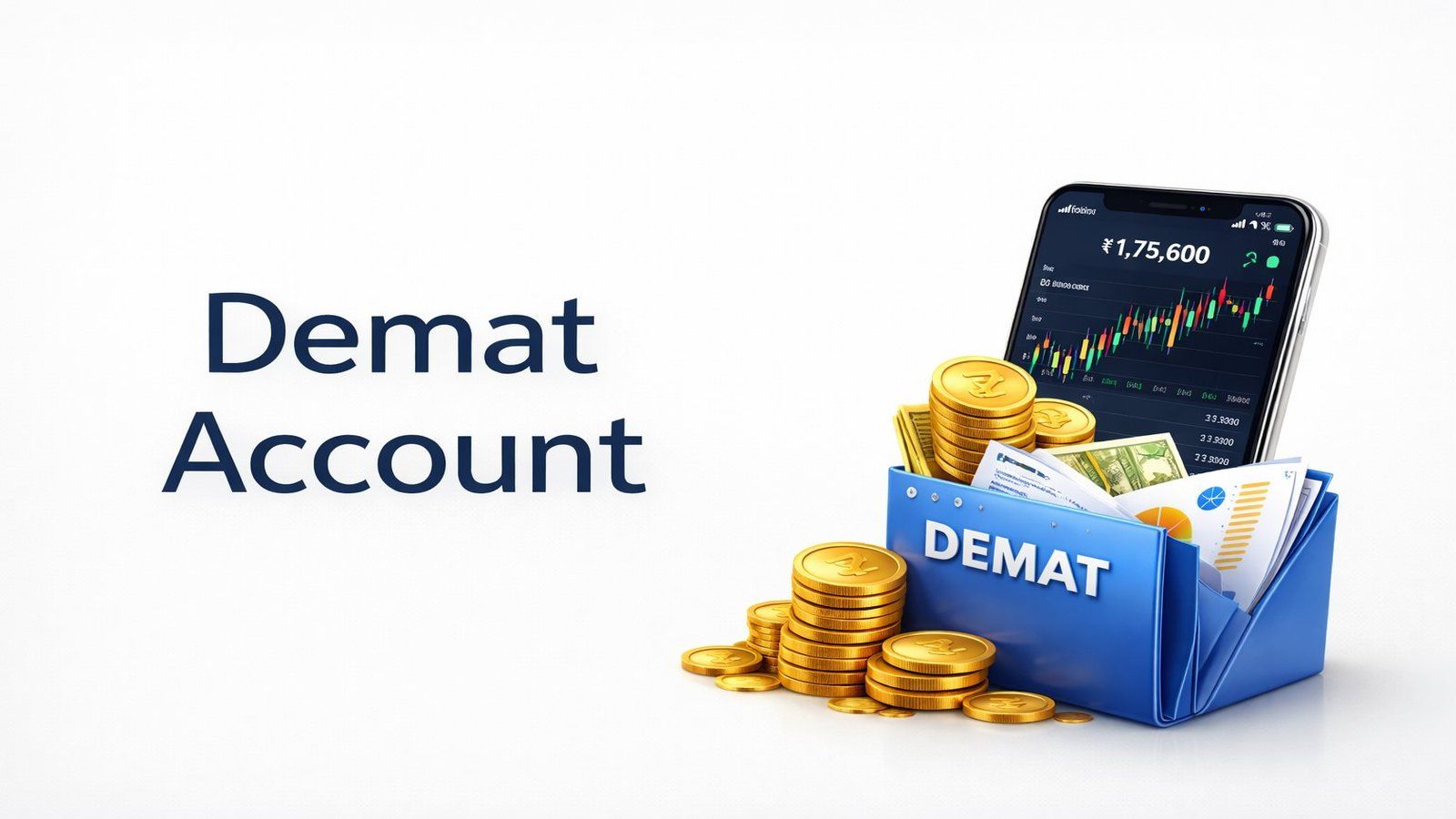
When you buy any shares and hold them for more than one day and sell them any time after that, maybe a week, a month or years, it is delivery trading. The primary objective of delivery trading is to capitalise on the long-term growth prospects of the share value. Here, the purchased shares get transferred to your Demat account and you gain ownership in the company. You are also entitled to dividends whenever the company declares them during your shareholding period.
Delivery trading is most common across all investor categories, be it seasoned or novice. Everyone intends to capitalise on the long-term growth potential of the share value. For a novice investor, understanding delivery trading is really simple. Buy the shares and hold for a certain period. Investors just need to analyse the overall company’s fundamentals, sector dynamics and overall growth prospects.
It must be noted that the margin facility, which allows traders to trade for higher values than the available money, is not available for delivery trading.
What is Intraday Trading?
Intraday trading, as the name suggests, involves buying and selling shares on the same trading day. Whatever shares you have bought must be sold before 3:30 pm. If you do not sell, the broker automatically sells them for you. The bought shares are never carried forward to the next day. The objective of Intraday trading is to make quick profits by capitalising on the volatility of the share value.
Here, the shares never get transferred to your Demat account and hence, you never get ownership in the company. Brokers provide margin or leverage, which allows you to trade for higher values than the money you have, to intraday traders.
Example of margin trading, say if you have Rs. 1lakh, and the broker allows 4 times margin, you can trade up to Rs. 4 lakh with the Rs. 1lakh. The profit or loss incurred is multiplied by the same margin multiplier factor.
Intraday trading requires you to constantly monitor markets, apply technical analysis, make quick decisions and apply disciplined stop losses. Traders heavily rely on charts, patterns and indicators to predict short-term price movements.
Differences between Intraday and Delivery Trading
| Aspect | Intraday Trading | Delivery Trading |
|---|---|---|
| Time horizon | Same day | More than one day |
| Ownership of shares | No | Yes (shares added to demat) |
| Risk level | High | Moderate to low |
| Capital requirement | Lower (margin available) | Higher (no leverage) |
| Analysis type | Technical | Fundamental |
| Suitable for | Active traders | Long-term investors |

Which trading style should you choose? Intraday or delivery trading? Your choice here depends on your risk tolerance, time commitment and financial goals. Broadly speaking, choose intraday trading if you understand market movements and are keen on active, fast-paced trading. If you prefer long-term, stable investment and don’t want to track the market constantly go for delivery trading. Beginners are usually advised to start with delivery trading to build confidence and understanding of the market.
About Author
Pradnya Surana
Sub-Editor
is an engineering and management graduate with 12 years of experience in India’s leading banks. With a natural flair for writing and a passion for all things finance, she reinvented herself as a financial writer. Her work reflects her ability to view the industry from both sides of the table, the financial service provider and the consumer. Experience in fast paced consumer facing roles adds depth, clarity and relevance to her writing.
Read more from Pradnya



















Upstox is a leading Indian financial services company that offers online trading and investment services in stocks, commodities, currencies, mutual funds, and more. Founded in 2009 and headquartered in Mumbai, Upstox is backed by prominent investors including Ratan Tata, Tiger Global, and Kalaari Capital. It operates under RKSV Securities and is registered with SEBI, NSE, BSE, and other regulatory bodies, ensuring secure and compliant trading experiences.
Related articles

Share Market
India's LPG Crisis Is the Wake-Up Call. Renewables Are the Answer6 min read | Written by Pradnya Surana
Share Market
What is the Difference Between Small Gain & Capital Gain?4 min read | Written by Dev Sethia

Share Market
Types of Stocks: Large Cap, Mid Cap, Small Cap Explained5 min read | Written by Pradnya Surana




Share Market
How Dividends Help You Earn Passive Income From the Stock Market3 min read | Written by Pradnya Surana