What is Cashless MTF, and how does it work?

Written by Subhasish Mandal
Published on January 09, 2026 | 4 min read
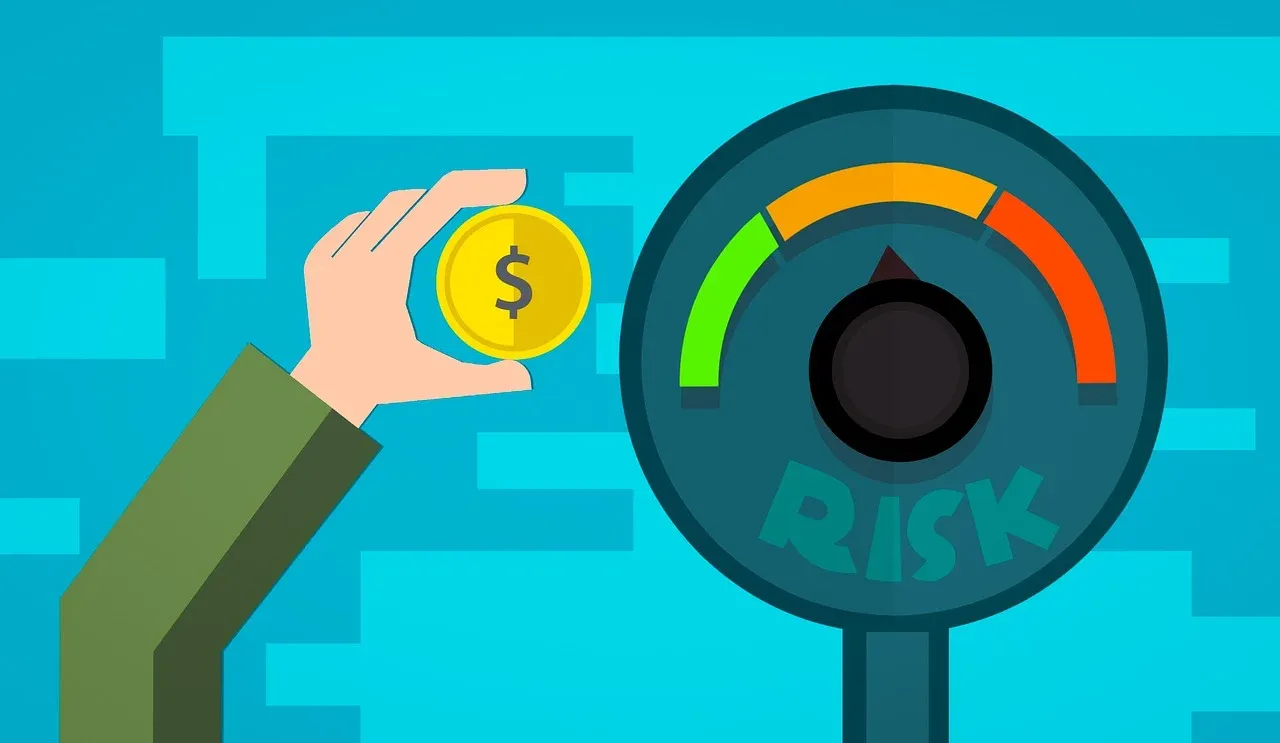

If you’re new to share market trading, it’s natural to assume trading always requires a cash balance in your trading account. But here is a little surprise, with cashless MTF, you don’t need a balance in your trading account. Your existing holdings can be pledged (act as cash), and we’ll cover the rest at a minimal interest.
Cashless MTF
Cashless MTF is a facility which allows traders to buy and sell stocks by pledging their existing stocks kept in a demat account. Currently, this facility is only available for cash trading stocks, but not in derivatives.
Margin Pledge explained
The concept of using existing demat holdings as collateral to get additional trading margin is called pledge margin. Traders use this facility to purchase more shares. It offers flexibility to increase trading exposure without immediately adding fresh cash.
Margin Trading Facility (MTF) and Cashless MTF explained
Margin Trading Facility (MTF) allows a trader or investor to buy a stock by paying as low as 25% upfront, while the remaining 75% is paid by the broker. It gives a trader up to 4X buying power.
Usually, the 25% upfront margin must be available as a cash balance in your trading account. But with cashless MTF, traders don’t need to add any cash to the account. Instead, a trader opts to pledge the existing holdings (act as cash) and place the trade.
In simple words, cashless MTF or cashless trading lets the investors trade using pledged shares as a margin instead of cash, enabling buying opportunities without selling existing holdings or depositing fresh cash.
How is Cashless MTF different from a Delivery or Normal MTF Order?
Suppose you want to buy shares worth ₹10 lakh. Here’s a tabular explanation of how it looks in different order types.
| Delivery Order | MTF Order | Cashless MTF | |
|---|---|---|---|
| Cash paid by the trader | ₹10,00,000 | ₹2,50,000 | ₹0 |
| Funded by Upstox | ₹0 | ₹7,50,000 | ₹7,50,000 |
| Pledge Margin | ₹0 | ₹0 | ₹2,50,000 |
| Total Order Value | ₹10,00,000 | ₹10,00,000 | ₹10,00,000 |
While placing the delivery order, the full amount of ₹10 lakh is to be paid, and there is no funding by Upstox, nor is there any pledge margin.
While placing the order by MTF, the cash paid by the trader is ₹2,50,000, which is 25% of the total order value, and the remaining ₹7,50,000, which is 75%, is funded by Upstox.
In a cashless MTF, to buy shares worth ₹10,00,000, the trader does not have to pay any upfront amount. Instead, if any existing holdings are available, it can avail pledge margin benefits to get the cash for placing a trade.
Here, ₹7,50,000, which is 75% of the total value, is funded by Upstox as MTF and the remaining ₹2,50,000 is pledged money (funded by Upstox only, after taking shares as collateral).
How is interest charged under Cashless MTF?
Under Cashless MTF, the interest will be charged on the total order value. As mentioned in the above table, 75% of the money is funded by Upstox, and 25% is pledged money. Therefore, the interest will be charged accordingly.
For example, suppose the interest rate of MTF is 0.05% daily on the borrowed money, then interest will be charged as 0.05% of ₹7,50,000 = ₹375 per day.
The remaining ₹2,50,000 is pledged money, which is charged according to the rules of pledge margin. The interest rates can be lower due to collateral.
Why use Cashless MTF?
Cashless MTF is a smarter way of using the existing investment, instead of infusing fresh cash. Here are reasons why many traders prefer it,
No upfront cash required
Place a trade by pledging the existing demat holdings and unlocking the margin.
Share price appreciation
Even if the demat holdings are pledged, the investors get the benefit of share price appreciation. It helps investors to stay invested for the long term.
Better capital utilisation
Put the stocks to work, unlock their value, and use them in funding new opportunities.
Quick access to funds
Quickly act on market opportunities without worrying much about adding fresh funds.

Using cashless MTF strategically can grow your purchasing power without selling the long-term holdings. However, every product has its own advantages and disadvantages; understanding interest rates and the risk involved in cashless MTF is equally important.
About Author
Subhasish Mandal
Sub-Editor
Finance professional with strong expertise in stock market and personal finance writing, he excels at breaking down complex financial concepts into simple, actionable insights. Holding a Master’s degree in Commerce, he combines academic depth with practical knowledge of technical analysis and derivatives.
Read more from Subhasish









Upstox is a leading Indian financial services company that offers online trading and investment services in stocks, commodities, currencies, mutual funds, and more. Founded in 2009 and headquartered in Mumbai, Upstox is backed by prominent investors including Ratan Tata, Tiger Global, and Kalaari Capital. It operates under RKSV Securities and is registered with SEBI, NSE, BSE, and other regulatory bodies, ensuring secure and compliant trading experiences.
Related articles
Share Market
How the RBI Defends the Indian Rupee through Strategic Forex Intervention13 min read | Written by Bidita Sen
Share Market
Impact of Rupee Depreciation on the Stock Market3 min read | Written by Subhasish Mandal

Share Market
India's LPG Crisis Is the Wake-Up Call. Renewables Are the Answer6 min read | Written by Pradnya Surana
Share Market
What is the Difference Between Small Gain & Capital Gain?4 min read | Written by Dev Sethia

Share Market
Types of Stocks: Large Cap, Mid Cap, Small Cap Explained5 min read | Written by Pradnya Surana


Share Market
How Dividends Help You Earn Passive Income From the Stock Market3 min read | Written by Pradnya Surana