Volume, Realisation and Revenues Explained

Written by Pradnya Surana
Published on December 04, 2025 | 4 min read
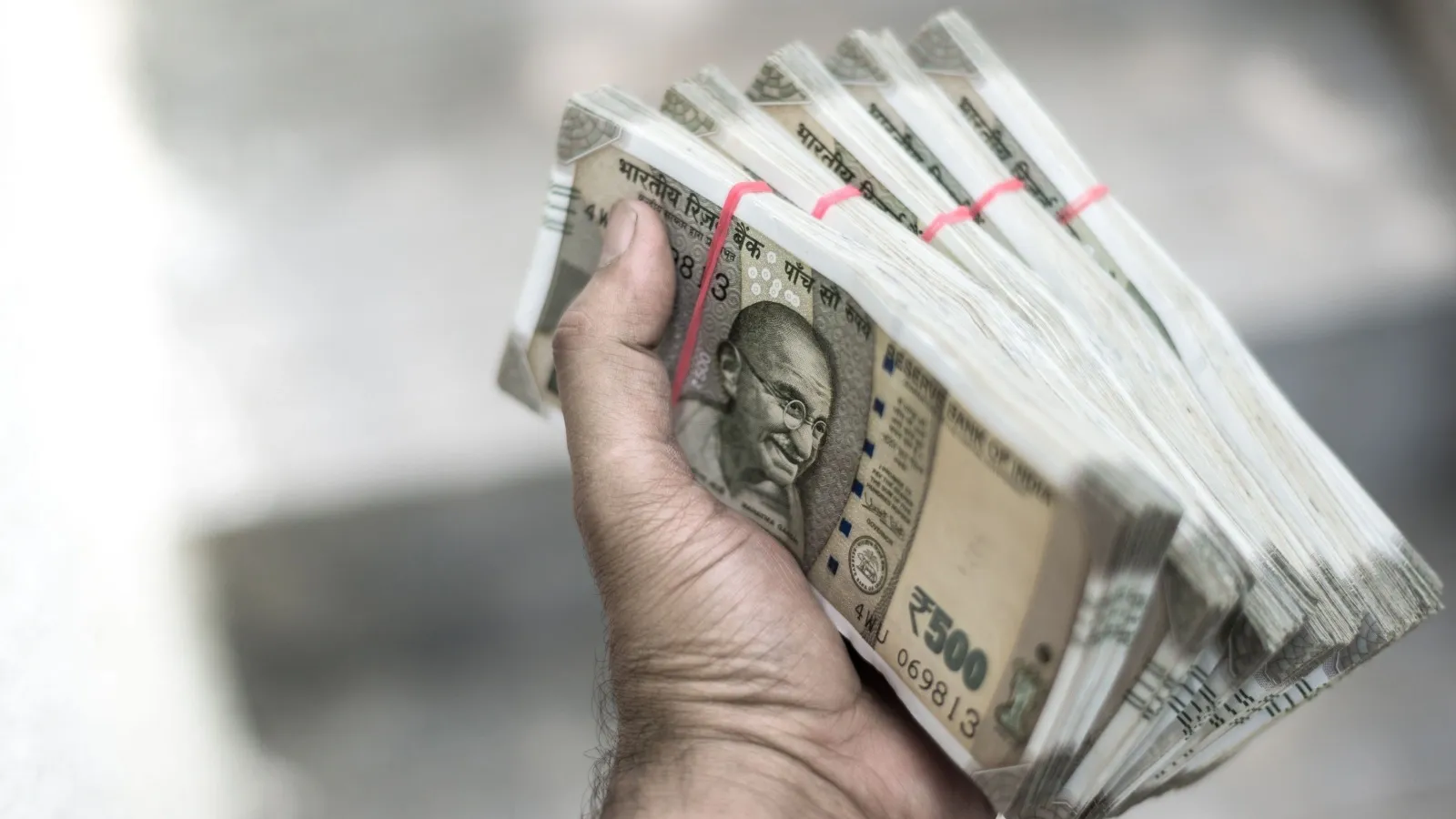

To analyse any company's financial performance, three terms are important, volume, realisation and revenues. Understanding how these three work together and how one impacts the other usually helps businesses, investors and strategists arrive at meaningful conclusions.
Let's get to know each term in detail and see how they connect.
What Is Volume?
Volume is the quantity of goods or services a business sells during a specific period. It is the number of units sold, be they are cars, mobile phones, tonnes of steel or any other product or service.
For example, if a car manufacturer sells 50,000 vehicles in a quarter, that is the volume. If a coffee shop serves 1,000 cups per week, or a salon does 100 haircuts in a week, that is its volume. Volume is straightforward. It is just counting how many items went out the door.
Volume growth is generally positive news for a company, as it indicates increasing market share or growing demand. However, volume alone just tells half the story and without understanding the other two terms, one can’t simply arrive at any conclusion. Only volume doesn’t talk completely about the company’s financial health.
Understanding Realisation
Realisation is the average price at which a company sells its products or services. It's also called the ‘average selling price’ or ‘price realisation’. This figure shows how much per unit product or service was sold.
Calculating realisation is simple,
Realisation = Total Revenue ÷ Total Volume
Using a car manufacturer example, 50,000 cars × ₹20,00,000 per car = ₹1000 crores in revenue
This simple equation reveals an important business truth, companies can grow revenues in two ways,
By selling more units (volume growth)
OR
By charging higher prices (realisation improvement).
The best scenario is when both increase simultaneously.
Realisation can change due to various factors,
- Product mix -If a company has products or services of different price points, selling more premium products increases average realisation
- Pricing power - Strong brands can charge higher prices
- Market conditions - Supply and demand affect what customers will pay. More demand, limited supply can increase prices
- Discounts and promotions - Sales offers, decrease selling prices and reduce realisation
- Currency fluctuations - For exporters, currency exchange rates impact realisation. If the rupee strengthens, the same product will bring fewer American dollars.
A company might see volume growth but declining realisation if it's offering heavy discounts to attract customers, which could indicate competitive pressure or weakening demand.
What Are Revenues?
Revenue is the total income a company generates from selling its goods or services before deducting any expenses (like interest, taxes, depreciation etc)
The relationship between these three concepts is straightforward, Revenue = Volume × Realisation
Using our car manufacturer example, 50,000 cars × Rs. 20,000 per car = Rs.1,000 crores in revenue
This simple equation reveals an important business truth, companies can grow revenues in two ways, by selling more units (volume growth) or by selling higher prices (realisation improvement). The best scenario is when both increase simultaneously.
Why This Matters for Analysis
Understanding these three facts of business helps investors and analysts assess reveals realistic picture. Consider these scenarios,
Scenario 1 - A company reports 20% revenue growth. This happened due to 25% volume growth but 4% decline in realisation. This suggests that the company is gaining market share through discounted pricing. So, this revenue growth might not be sustainable in the long term.
Scenario 2 - Revenue grows 15%, with 5% volume growth and 10% increase in realisation. This is considered an ideal scenario where revenue is growing due to an increase in selling price and selling volume. It's considered healthy and sustainable because, despite growth in prices, sales still went up.
Scenario 3 - Revenue stays flat, but volume drops 10% whilst realisation increases 11%. The company might be selling at premium rates. Volume drop suggests that some customers are price sensitive and the business might be losing those customers.

For businesses, tracking volume and realisation separately helps identify problems and opportunities. Declining realisation indicates customers are buying at discounted pricing, which may not be sustainable in the long term. Falling volume could indicate distribution issues or loss in market share due to competition.
About Author
Pradnya Surana
Sub-Editor
is an engineering and management graduate with 12 years of experience in India’s leading banks. With a natural flair for writing and a passion for all things finance, she reinvented herself as a financial writer. Her work reflects her ability to view the industry from both sides of the table, the financial service provider and the consumer. Experience in fast paced consumer facing roles adds depth, clarity and relevance to her writing.
Read more from Pradnya


















Upstox is a leading Indian financial services company that offers online trading and investment services in stocks, commodities, currencies, mutual funds, and more. Founded in 2009 and headquartered in Mumbai, Upstox is backed by prominent investors including Ratan Tata, Tiger Global, and Kalaari Capital. It operates under RKSV Securities and is registered with SEBI, NSE, BSE, and other regulatory bodies, ensuring secure and compliant trading experiences.
Related articles

Share Market
India's LPG Crisis Is the Wake-Up Call. Renewables Are the Answer6 min read | Written by Pradnya Surana
Share Market
What is the Difference Between Small Gain & Capital Gain?4 min read | Written by Dev Sethia

Share Market
Types of Stocks: Large Cap, Mid Cap, Small Cap Explained5 min read | Written by Pradnya Surana


Share Market
How Dividends Help You Earn Passive Income From the Stock Market3 min read | Written by Pradnya Surana

Share Market
Growth Stocks in India – Their Meaning, How to Find & Examples4 min read | Written by Pradnya Surana