India's LPG Crisis Is the Wake-Up Call. Renewables Are the Answer

Written by Pradnya Surana
Published on March 20, 2026 | 6 min read

On March 7, 2026, Indian households faced a sharp rise in cooking gas prices. A 14.2 kg LPG cylinder in Delhi increased to ₹913, the first hike in nearly a year. In some states like Bihar, prices crossed ₹1,000, while black market rates reportedly surged to ₹4,000 during supply shortages. The trigger was disruption in the Strait of Hormuz, a key global energy route. India imports about 60% of its LPG, and a large portion passes through this corridor. In January 2026, India produced 1.158 million tonnes of LPG but imported 2.192 million tonnes, highlighting a structural gap (Source - PPAC). This is not a one-off crisis. It is a recurring vulnerability.
The Structural Problem
India imports over 85% of its crude oil, with energy forming a major part of the import bill. A $10 rise in crude prices increases India’s costs by roughly $15 billion. The real issue is dependence. When supply routes are disrupted, household costs rise immediately.
What This Means for Households
LPG prices are closely linked to global markets, which means households are directly affected by international price movements. An Indian household on an average uses about one cylinder per month, taking annual cooking costs to around ₹10,000–₹12,000. When supply disrupts, or there is delay in cylinder availability consumers tend to rely on black markets where theat significantly higher prices. As a result, cooking fuel is not just an energy issue but a growing budgetary concern for many households.
What India Has Already Built
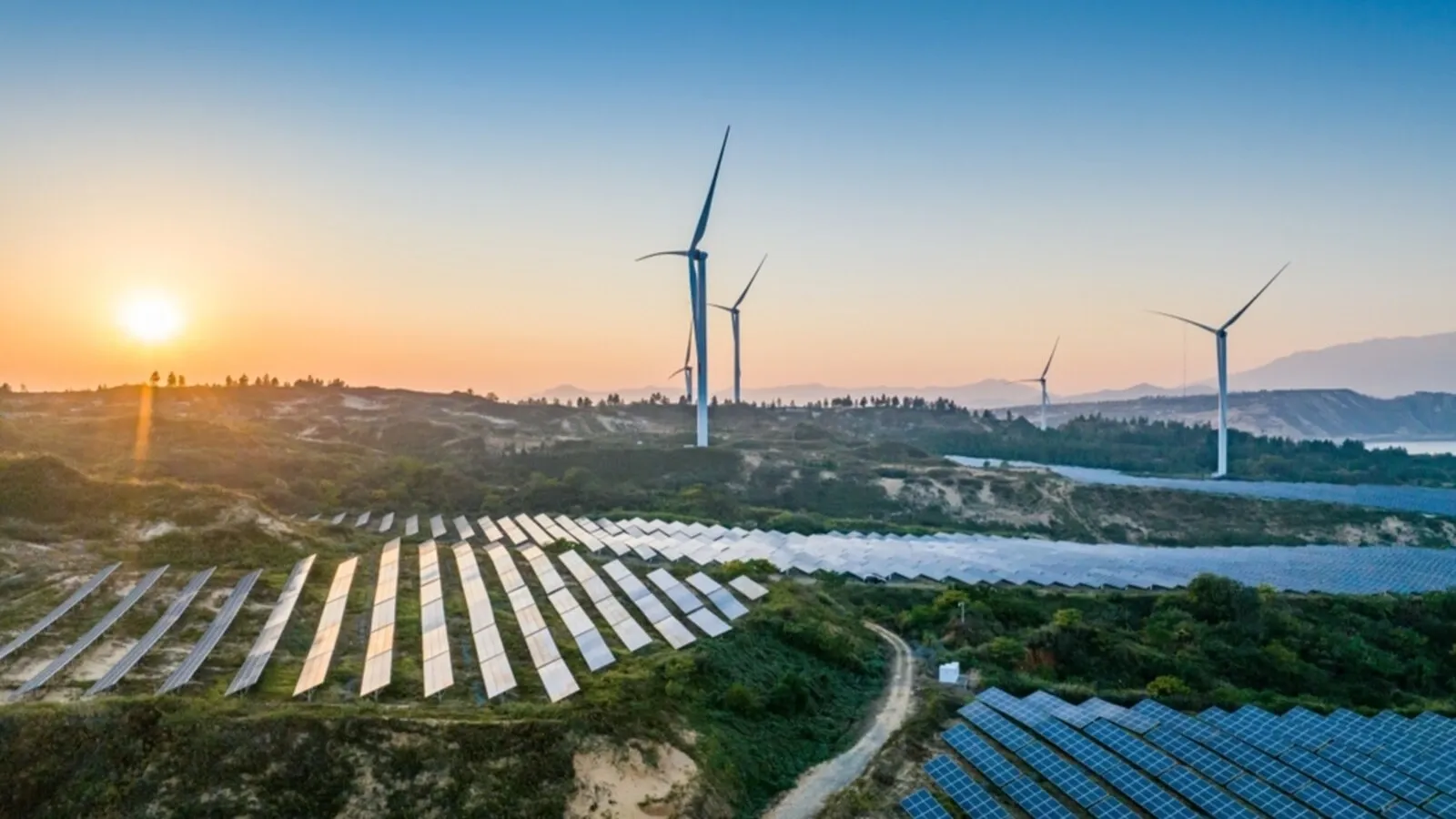
India’s renewable transition is progressing rapidly. As of 2025, 45–50% of installed power capacity is from non-fossil sources Solar capacity is ~90 GW, making India the 3rd largest globally Wind capacity is ~52–53 GW, with ~100 GW target by 2030 (Source - CEA, Ministry of Power, MNRE) However, this progress is concentrated in electricity, not cooking fuel.
The Gap the LPG Crisis Exposes
Electricity and cooking fuel are different challenges. LPG still dominates household cooking. During the crisis, India increased refinery output and sourced LPG from countries like the US and Norway. These are short-term fixes. The long-term solution is shifting households away from imported fossil fuels.
Alternatives: What Can Replace LPG?
Suggested Options by Use Case
- Biogas - Suited for rural and semi-urban households
- PNG - Ideal for urban homes with pipeline access
- Electric cooking - Suitable where power supply is reliable
- Green hydrogen and DME - Future large-scale solutions
Cost and Practical Comparison
| Fuel type | Monthly cost | Availability | Reliability | Suited for |
|---|---|---|---|---|
| LPG | ₹800–₹1,000 | Nationwide | Price volatile | All households |
| PNG | ₹600–₹900 | Limited cities | Stable | Urban |
| Biogas | Low (after setup) | Rural areas | Local supply | Rural |
| Electric (Induction) | ₹500–₹800 | Depends on power | High with stable electricity | Urban & commercial |
Insight, Induction cooking can be cheaper than LPG for regular users, especially where electricity rates are low or solar power is used.
Transition Pathways
Biogas and PNG
India has large biomass potential. Government schemes like GOBAR-Dhan aim to scale compressed biogas. Cities are expanding PNG networks to reduce cylinder dependence.
Electric Cooking
Commercial users are already shifting to induction due to supply disruptions. As renewable electricity grows, this becomes a scalable alternative.
Green Hydrogen
India targets 5 million tonnes annually by 2030. It can eventually replace fossil fuels across sectors, though adoption will take time.
DME Technology
An emerging alternative is Dimethyl Ether (DME). The CSIR-National Chemical Laboratory has developed pilot-scale production, while companies like Indian Oil Corporation and Oil and Natural Gas Corporation are exploring early-stage projects. DME can be used in existing LPG infrastructure with minor changes, making it a practical transition fuel.
Global Perspective
Countries have shown how quickly transitions can happen, China scaled electric cooking through subsidies and grid expansion Europe accelerated renewable adoption after the Ukraine energy crisis Policy support and infrastructure investment can significantly speed up change.
The Road to Self-Sufficiency
India may not eliminate energy imports anytime soon, but also reducing dependence is the vision slowly unfolding. With 169 GW of renewable capacity under implementation and 65 GW already tendered, India is steadily building alternatives. Every local option which is a possible substitute to LPG lowers exposure to global price shocks, supply disruptions and currency volatility. The 2026 LPG crisis highlights how energy security directly impacts household budgets, and creating substitutes is not just about sustainability, but also about stability and affordability.
Frequently Asked Questions
1) Why did LPG prices increase in March 2026?
Prices rose due to supply disruptions linked to geopolitical tensions affecting key global routes like the Strait of Hormuz. Since India imports a large share of its LPG, global price increases directly impact domestic cylinder prices.
2) What is India doing to reduce LPG dependence?
India is expanding alternatives such as Piped Natural Gas (PNG), promoting biogas under schemes like GOBAR-Dhan, encouraging electric cooking, and investing in long-term solutions like green hydrogen and DME.
3) How much electricity in India comes from renewables?
Around 45–50% of India’s installed electricity capacity comes from non-fossil fuel sources. However, the actual share in electricity generation is lower due to the intermittent nature of renewables.
4) Is induction cooking cheaper than LPG in India?
In many cases, yes. For regular users with stable electricity supply, induction cooking can be more cost-effective than LPG, especially as electricity costs remain relatively stable compared to global LPG prices.
5) Can households switch from LPG to alternatives easily?
It depends on location. Urban households may find PNG or induction cooking easier to adopt, while rural households can benefit more from biogas solutions. Infrastructure availability is the primary determinant factor.
6) Will LPG prices remain volatile in the future?
LPG prices are likely to remain sensitive to global crude oil prices, currency movements, and geopolitical events, making some level of volatility unavoidable.
7) Is India planning to phase out LPG completely?
Not in the near term. LPG will continue to be an important fuel, but policy direction is focused on gradually reducing dependence by promoting cleaner and more locally available alternatives.
About Author
Pradnya Surana
Sub-Editor
is an engineering and management graduate with 12 years of experience in India’s leading banks. With a natural flair for writing and a passion for all things finance, she reinvented herself as a financial writer. Her work reflects her ability to view the industry from both sides of the table, the financial service provider and the consumer. Experience in fast paced consumer facing roles adds depth, clarity and relevance to her writing.
Read more from Pradnya

















Upstox is a leading Indian financial services company that offers online trading and investment services in stocks, commodities, currencies, mutual funds, and more. Founded in 2009 and headquartered in Mumbai, Upstox is backed by prominent investors including Ratan Tata, Tiger Global, and Kalaari Capital. It operates under RKSV Securities and is registered with SEBI, NSE, BSE, and other regulatory bodies, ensuring secure and compliant trading experiences.
Related articles
Share Market
How the RBI Defends the Indian Rupee through Strategic Forex Intervention13 min read | Written by Bidita Sen
Share Market
Impact of Rupee Depreciation on the Stock Market3 min read | Written by Subhasish Mandal
Share Market
What is the Difference Between Small Gain & Capital Gain?4 min read | Written by Dev Sethia

Share Market
Types of Stocks: Large Cap, Mid Cap, Small Cap Explained5 min read | Written by Pradnya Surana


Share Market
How Dividends Help You Earn Passive Income From the Stock Market3 min read | Written by Pradnya Surana