How Does Inflation Affect the Stock Market?

Written by Mariyam Sara
Published on December 16, 2025 | 2 min read
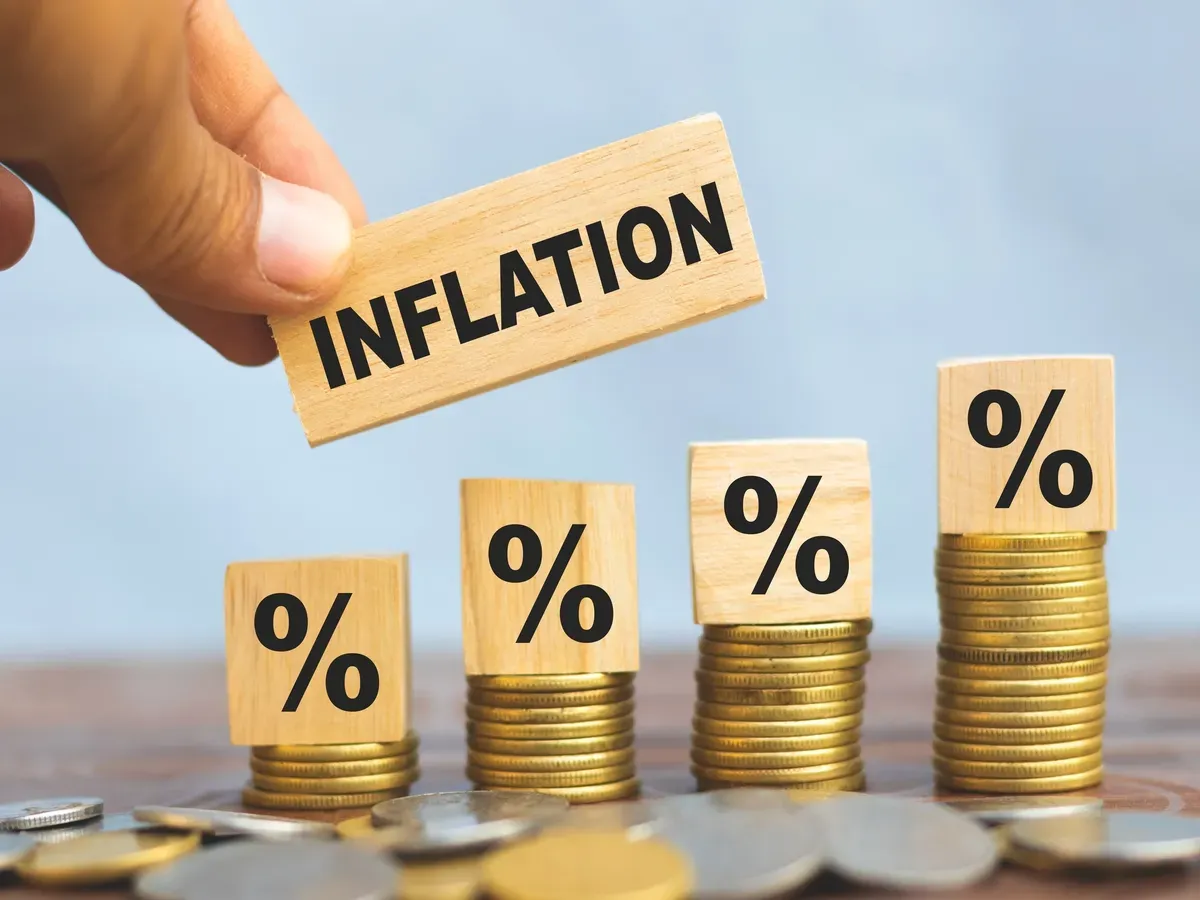

You would often hear your parents complain about the rising cost of living. That’s inflation, the reason why investors invest their money in return-generating assets to preserve the value of their money. The biggest threat to the money sitting idle is inflation. Inflation is the root cause of issues in several markets and a persistent concern for investors and companies.
Understanding how inflation works and its impact on the stock market can help you make informed investing decisions and protect the value of your money.
What is Inflation?
Inflation is the decreasing purchasing power of a currency. An increase in the inflation rate leads to an increase in the cost of living.
Let’s understand this with an example.
Suppose you could buy 1 packet of biscuits for ₹10 in 2010. As inflation increases, the same packet of biscuits would cost you ₹15 in 2020. The same commodity that you could buy at ₹10 in 2010 has increased in price and now costs ₹15 in 2020.
This difference between these two prices is the result of the increased cost of living due to inflation.
How Does Inflation Affect the Stock Market?
Inflation not only impacts your cost of living but also the various financial markets and their price movements. Let’s understand how inflation impacts the stock market.
Impact on Companies
As inflation increases, the cost of raw materials, production and wages increases, leading to higher input costs for the company. If the company chooses to transfer this increased cost to the consumer, they may see a fall in demand, reducing their profit.
This reduction in the company's profit will lower its stock prices as investors’ confidence in the company drops.
Impact On Equities
As inflation in an economy rises, the central bank increases the interest rates to reduce the money supply and control inflation. This increases the cost of borrowing for companies looking for funds for expansions.
Another effect is that since the interest rates have increased, the yield on bonds attracts investors, causing them to redeem their stock investments and invest in bonds, a less risky investment compared to equities.
Impact on Performance of Value Stocks
During high inflation, investors tend to move towards value stocks with higher intrinsic value compared to their current trading price. These stocks belong to well-established companies with strong cash flows, such value stocks tend to deliver better returns in the long term.
Impact on Performance of Growth Stocks
Growth stocks belong to companies with high-growth potential in the long term but weaker cash flows and dividend payout. Growth stocks are long-term investments that take some time to show expected results.
Due to inflation, prices of growth stocks fall as investors have low confidence in their future performance.
Inflation-Resistant Assets to Invest In
There are other assets and investments you can invest in to preserve and increase the value of your money during high inflation.
Gold
Gold has been a haven for investors during times of economic uncertainty and high inflation. As inflation rises, gold prices also rise, making it a good hedge against inflation.
Real Estate
Another investment that has a positive relationship with inflation is real estate. As inflation rises, real estate prices also increase. If you can’t afford to buy real estate, you can still invest in REITs (Real Estate Inflation Protection Funds) and gain exposure to real estate.
Bonds
As discussed earlier, during high inflation, the RBI increases the interest rates, leading to an increase in the yield on bonds. You can invest in government bonds to take advantage of high interest rates and gain good returns on low-risk investments.
Equity Mutual Funds
You can invest in equity mutual funds, which invest across various sectors and focus on long-term wealth creation that beats inflation.

Inflation is inevitable, but knowing how to handle inflation can help you mitigate its impact on your investments. During high inflation, you can invest in other assets that can act as a hedge against inflation.
About Author
Mariyam Sara
Sub-Editor
holds an MBA in Finance and is a true Finance Fanatic. She writes extensively on all things finance whether it’s stock trading, personal finance, or insurance, chances are she’s covered it. When she’s not writing, she’s busy pursuing NISM certifications, experimenting with new baking recipes.
Read more from Mariyam




















Upstox is a leading Indian financial services company that offers online trading and investment services in stocks, commodities, currencies, mutual funds, and more. Founded in 2009 and headquartered in Mumbai, Upstox is backed by prominent investors including Ratan Tata, Tiger Global, and Kalaari Capital. It operates under RKSV Securities and is registered with SEBI, NSE, BSE, and other regulatory bodies, ensuring secure and compliant trading experiences.
Related articles

Share Market
India's LPG Crisis Is the Wake-Up Call. Renewables Are the Answer6 min read | Written by Pradnya Surana
Share Market
What is the Difference Between Small Gain & Capital Gain?4 min read | Written by Dev Sethia

Share Market
Types of Stocks: Large Cap, Mid Cap, Small Cap Explained5 min read | Written by Pradnya Surana




Share Market
How Dividends Help You Earn Passive Income From the Stock Market3 min read | Written by Pradnya Surana